Washer and dryer maintenance tips that reduce lint, odors, and wear

The simple maintenance routine most homes need
Washer and dryer maintenance tips work best when they focus on three areas: airflow, water control, and residue prevention. Clean the dryer lint filter after every load, check the vent path before drying times start creeping up, keep the washer door or lid area dry, and measure detergent for the load instead of guessing. These small habits help reduce odor, lint buildup, overheating risk, leaks, and unnecessary wear.
Public safety guidance from the U.S. Fire Administration, the National Fire Protection Association, and the Consumer Product Safety Commission all point to cleaning as a key part of dryer fire prevention. Washer maintenance is less dramatic, but it matters for the same practical reason: moisture, residue, and poor loading habits can lead to musty smells, weak rinsing, leaks, and avoidable strain on the motor, pump, hoses, and suspension system.
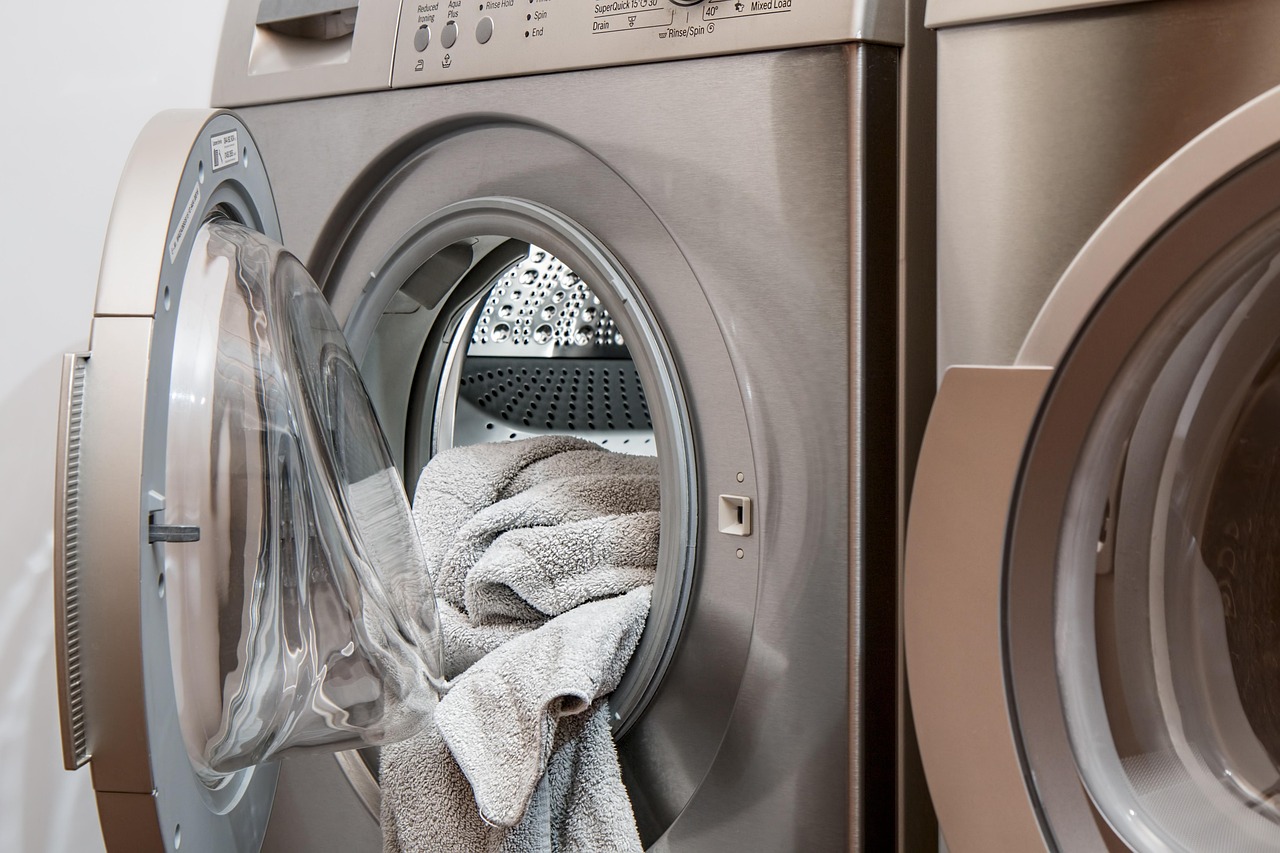
This guide is intended for homeowners, renters, property managers, and anyone responsible for maintaining a laundry pair. It does not replace the owner’s manual for a specific model, but it provides a routine that fits most front-load, top-load, gas dryer, electric dryer, and stacked laundry setups.
Why washer and dryer maintenance matters
Laundry machines work under demanding conditions. A washer handles water pressure, detergent, soil, fabric fibers, vibration, and repeated spin cycles. A dryer handles heat, moving air, moisture, lint, and, in some homes, long exhaust runs through walls, ceilings, or roof outlets. When either appliance is neglected, the first signs are often easy to overlook: a musty smell, a longer drying cycle, a small drip, or a load that comes out less clean than expected.
The U.S. Fire Administration has reported that failure to clean was the leading factor contributing to ignition in home clothes dryer fires for the 2018–2020 reporting period, accounting for 31% of those incidents. Older USFA topical fire reports also emphasized removing lint from traps, vents, and surrounding areas as a core dryer safety practice. The NFPA recommends cleaning the lint filter before or after every load and cleaning lint from the vent pipe at least once a year, or more often if clothes take longer than normal to dry.
For washers, the main risks are usually water damage, odor, poor washing performance, and mechanical stress rather than fire. Overloading the drum, using too much detergent, ignoring hoses, and leaving moisture trapped around seals can all shorten useful service life. The goal is not complicated repair work. It is consistent inspection and cleaning before a minor issue becomes a service call.
A practical maintenance schedule
The easiest way to maintain laundry equipment is to connect tasks with timing. Some checks belong after every load, some fit into a monthly routine, and others should be handled once or twice a year. The table below organizes the routine by frequency.
| Frequency | Washer tasks | Dryer tasks |
|---|---|---|
| After every load | Remove wet clothes promptly, wipe visible moisture from the gasket or lid area, and leave the door or lid open if safe to allow drying. | Clean the lint filter, check that the drum is empty, and remove fabric sheets or debris that may block airflow. |
| Weekly | Wipe the detergent dispenser, check for residue, and look under the machine for drips. | Vacuum lint around the dryer, behind the lint screen opening if accessible, and around the floor area. |
| Monthly | Run a washer cleaning cycle if your manual recommends it, inspect the door seal, and confirm the machine is level. | Inspect the outside vent flap, check for slow drying, and make sure the transition duct is not crushed behind the machine. |
| Every 3 to 6 months | Inspect water supply hoses, drain hose position, and the area around shutoff valves. | Clean the accessible vent run more thoroughly, especially in large households or homes that often dry towels, bedding, or pet items. |
| Yearly | Review the owner’s manual maintenance section and replace damaged hoses or worn parts. | Clean the vent pipe fully or schedule professional lint removal if access is limited, the run is long, or the dryer is stacked. |
For more practical upkeep topics across equipment and household systems, visit the Maintenance Tips section.
Washer maintenance tips for cleaner loads
Use detergent carefully
More detergent does not automatically produce cleaner laundry. Excess detergent can leave residue on clothes and inside the washer, especially in high-efficiency machines that use less water. That residue can trap soil, create odor, and make the washer work harder to rinse. Use the detergent label, the washer manual, water hardness, load size, and soil level as your guide. If clothes feel slippery, smell soapy, or show streaks after washing, reduce the amount and consider an extra rinse while you adjust your routine.
Avoid overloading the drum
A washer needs space for water, detergent, and fabric movement. When the drum is packed tightly, clothes do not circulate properly, detergent may not dissolve or rinse evenly, and the machine may vibrate during spin. Overloading can also stress bearings, belts, suspension rods, shock absorbers, and motor components. As a practical rule, load items loosely rather than pressing them down. Heavy items such as blankets, bath mats, and towels should be balanced around the drum instead of dropped in as one dense lump.
Keep moisture from becoming odor
Front-load washers are especially likely to trap moisture around the door gasket, but top-load machines can also develop smells if the lid stays closed while the tub is damp. After the final load, remove clothing promptly and let the interior dry. Wipe the rubber seal on front-load units, including the lower fold where coins, hair, lint, and small items may collect. Clean the detergent drawer regularly because softener and detergent residue can build up in corners that are not obvious from the outside.
Inspect hoses and water connections
Water supply hoses deserve routine attention because they remain under pressure whenever the valves are open. Look for bulges, cracks, corrosion at fittings, dampness, or rubbing where a hose touches the wall or appliance. Confirm that the drain hose is secured and not pushed too far into the standpipe, which can affect drainage on some installations. If you see corrosion on shutoff valves, persistent dampness, or a swollen hose, replace the damaged part or call a qualified technician.
Dryer maintenance tips for airflow and safety
Clean the lint filter every time
The lint filter is the dryer task that should never be skipped. Lint limits airflow, and limited airflow means the dryer must run longer to remove moisture. Longer cycles use more energy, expose fabrics to more heat, and can signal that lint is collecting beyond the screen. The CPSC notes that clothes remaining damp at the end of a typical cycle, or drying taking longer than usual, can indicate that the lint screen or exhaust duct is blocked.
Check the vent path, not just the screen
The lint screen captures a lot of lint, but not all of it. Small fibers can pass into the exhaust duct and collect over time. If the outside vent flap barely opens while the dryer runs, the laundry room feels unusually hot or humid, or a normal load suddenly needs two cycles, airflow should be checked. Consumer Reports has advised that dryer vents may need cleaning every few months in some households, depending on use, laundry type, and vent accessibility. Homes that dry towels, bedding, pet blankets, or large family loads may need a shorter interval than a one-person household.
Protect the duct from crushing and restriction
A dryer pushed too tightly against the wall can crush the transition duct, slowing airflow even when the lint screen is clean. Leave enough clearance to prevent kinks. The shortest practical vent path is usually best, but the correct setup depends on the appliance manual and local code. If the vent run disappears into a wall, ceiling, roof outlet, or multi-story route, treat slow drying as a real maintenance signal rather than a minor inconvenience.
Use dryer heat thoughtfully
High heat can be useful for towels and heavy cotton loads, but it is not ideal for every fabric. Lower heat settings reduce stress on elastic, synthetics, prints, and delicate fabrics. Cleaning the vent improves drying efficiency more than simply increasing heat. If a dryer needs high heat to finish ordinary loads that once dried normally, the underlying issue is often airflow, load size, or moisture extraction during the washer spin cycle. See also: Buying Guides.
Common warning signs and what they usually mean
Maintenance is easier when symptoms point you toward the right system. The table below is not a diagnostic guarantee, but it helps separate a normal inconvenience from a condition that deserves attention.
| Warning sign | Likely area to check first | Why it matters |
|---|---|---|
| Clothes take longer to dry | Lint filter, vent duct, outside vent flap, load size | Restricted airflow can increase heat, energy use, and drying time. |
| Washer smells musty | Door gasket, detergent drawer, drum cleaning routine, detergent amount | Moisture and residue can support odor-causing buildup. |
| Washer shakes or walks | Load balance, level feet, floor stability, shipping bolts on newer installations | Excess vibration can strain internal components and hoses. |
| Water under or behind washer | Supply hoses, drain hose, door seal, dispenser overflow | Small leaks can become floor, wall, or cabinet damage. |
| Dryer top or laundry room feels unusually hot | Vent restriction, crushed duct, lint buildup | Heat buildup is a sign to stop and inspect airflow before continuing use. |
| Burning smell from dryer | Stop use, unplug if safe, check lint, and call service if the smell persists | A burning odor should be treated as a safety issue, not a normal cycle smell. |
Habits that extend appliance life
Good maintenance is not only cleaning. Daily use habits affect how hard each machine works. Sort loads by fabric weight so thin shirts are not trapped inside a heavy towel load. Shake out sandy or muddy items before washing because grit can collect in seals, pumps, and drains. Empty pockets to prevent coins, screws, clips, and keys from damaging the drum, pump, or dryer baffles.
Use cold water when appropriate. ENERGY STAR notes that cold water generally does a good job for many laundry loads unless oily stains are involved. Hot water still has a place for certain heavily soiled items and sanitation needs, but routine hot cycles can increase energy use and may age some fabrics faster. The best choice depends on fabric labels, detergent instructions, soil level, and household needs.
Keep the area around the washer and dryer clean. Lint and dust behind appliances are not just cosmetic. They can limit ventilation, hide leaks, and make it harder to spot early problems. Leave access to shutoff valves so water can be turned off quickly if a hose fails. For major appliances, the U.S. Fire Administration advises plugging them directly into a wall outlet rather than using an extension cord, because extension cords can overheat.
If your dryer is gas-powered, keep the exhaust path clear and pay attention to unusual odors. If you smell gas, leave the area and follow your utility provider’s emergency instructions. Do not attempt to repair gas connections as a routine do-it-yourself task.
When to clean it yourself and when to call a professional
Many maintenance tasks are suitable for a careful homeowner: cleaning the lint screen, wiping the washer gasket, vacuuming around the machines, checking visible hoses, and running a washer cleaning cycle. Always unplug the appliance or follow the manual before reaching into service areas. Do not remove panels unless the manual clearly permits it and you understand the risk.
Professional help is the better choice when the dryer vent is long, routed through a roof, difficult to access, or still restricted after basic cleaning. A technician should also handle repeated dryer overheating, burning smells, tripped breakers, gas odors, persistent washer leaks, loud bearing noise, electrical faults, or error codes that return after a reset. Paying for inspection is usually cheaper than repairing water damage, replacing scorched wiring, or running a dryer through repeated long cycles.
Frequently asked questions
How often should I clean my dryer vent?
Clean the lint filter after every load. For the vent pipe, NFPA guidance recommends at least once a year, or more often if clothes take longer than normal to dry. High-use households may need deeper vent cleaning every few months, especially when drying towels, bedding, or pet laundry.
Why does my washer smell even after a wash cycle?
The most common causes are trapped moisture, detergent residue, softener buildup, and debris in the door seal or dispenser. Wipe the gasket, leave the door or lid open when safe, reduce detergent if you see residue, and run the machine’s cleaning cycle according to the owner’s manual.
Is it bad to overload a washer or dryer?
Yes. Overloading prevents proper water movement in the washer and proper air movement in the dryer. It can leave clothes dirty or damp, increase vibration, lengthen drying time, and add mechanical strain. Loose loading is better than compressing items into the drum.
Should I use hot water for every washer cleaning cycle?
Not necessarily. Use the washer’s dedicated clean cycle and follow the manual. For normal laundry, cold water is often effective for everyday soil, while hot water is better reserved for specific fabric-care or hygiene needs.
What is the clearest sign that dryer maintenance is overdue?
The clearest sign is a normal load taking longer than it used to dry. That symptom often points to lint buildup, a blocked outside vent, a crushed duct, or an overloaded drum. Stop and check airflow before simply adding more time or heat.