SUV buying guide for families, commuters, and first-time buyers
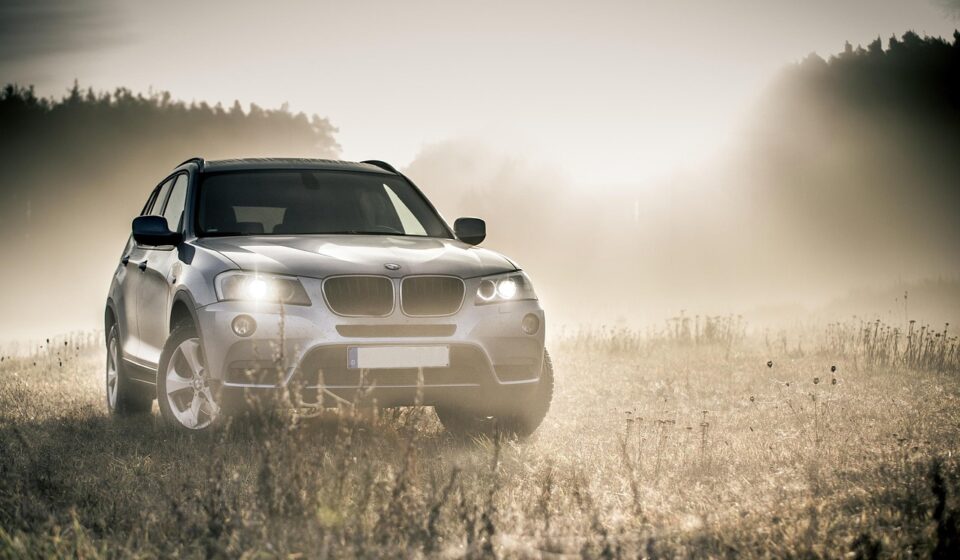
Start with how the SUV will actually be used
A useful suv buying guide starts with fit, not brand names. The right SUV is the one that suits your normal passenger load, parking space, cargo needs, road conditions, fuel budget, and maintenance expectations. Compact SUVs are easier to park and usually cost less to fuel and insure. Midsize SUVs add rear-seat and cargo flexibility. Three-row SUVs can carry more people, but the third row and the remaining cargo area should be tested in person because published dimensions do not always show how usable the space feels day to day.
Before comparing models, write down three non-negotiables: how many people ride weekly, what must fit in the cargo area, and whether you need towing, all-wheel drive, or child-seat space. This helps avoid a common SUV-shopping mistake: paying for size, power, or an off-road image that will rarely be used.
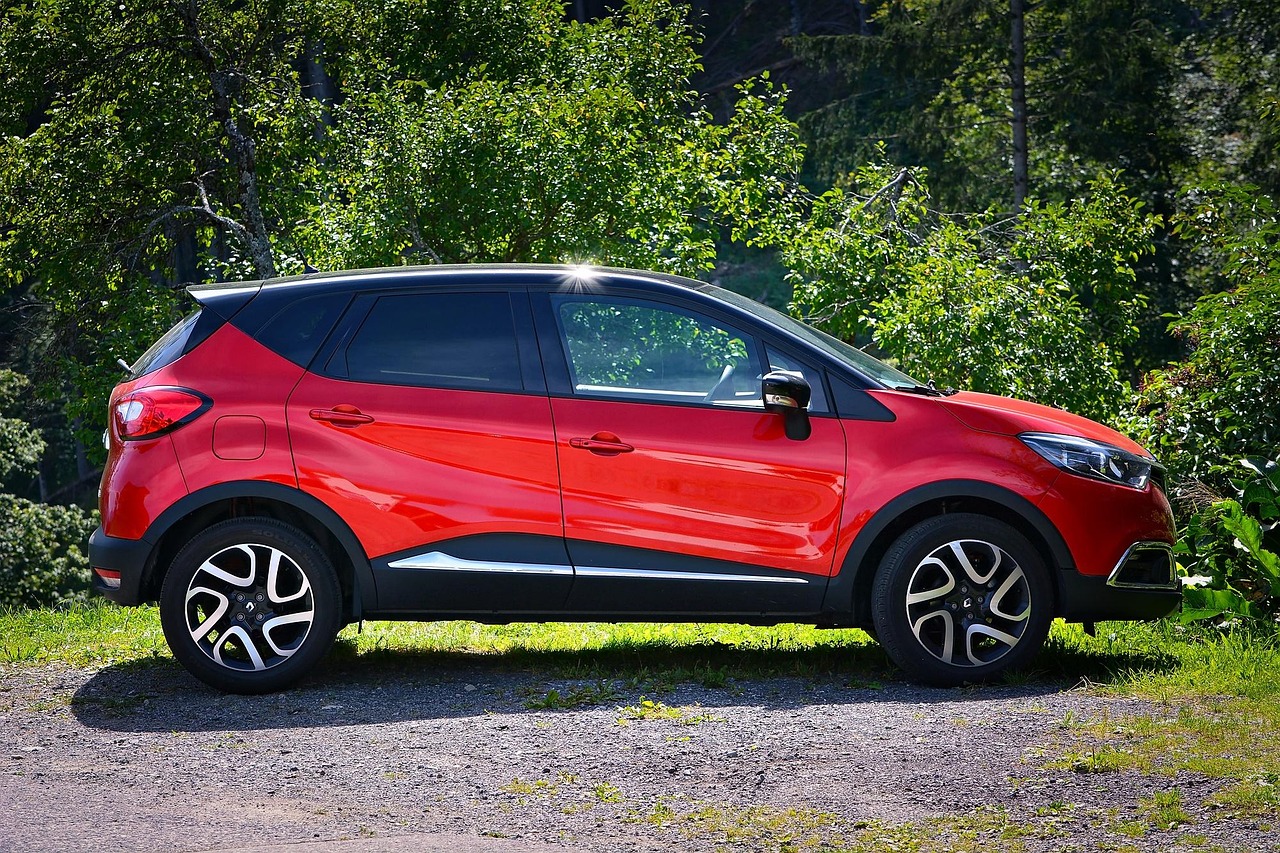
For more practical vehicle ownership topics, visit the Buying Guides section.
Choose the right SUV size class
SUVs cover a wide range of vehicle types, so size class should be the first major decision. A smaller SUV can be the better purchase when most driving is urban or suburban. A larger SUV makes sense when the buyer regularly carries adults in the second row, needs a usable third row, or tows a trailer within the manufacturer’s rated limits.
| SUV type | Best fit | Trade-offs to check |
|---|---|---|
| Subcompact SUV | City driving, first-time buyers, easier parking | Smaller cargo area, less rear-seat comfort, limited towing |
| Compact SUV | Small families, commuters, balanced cost | Rear-facing child seats and luggage may compete for space |
| Midsize two-row SUV | More passenger comfort and cargo room | Higher fuel use and larger turning circle than compact models |
| Three-row SUV | Families carrying more than five people | Third-row comfort, cargo room behind the third row, tire and brake costs |
| Full-size SUV | Towing, large families, heavy cargo | Parking, fuel cost, purchase price, higher replacement-part costs |
Do not rely only on exterior size. Sit in every row, open the liftgate, fold the seats, and check whether the cargo floor is flat. If you use a stroller, sports equipment, tools, or pet crates, bring measurements. For family buyers, test child seats in the exact seating positions you plan to use. Wide rear doors, low step-in height, and accessible lower anchors can matter more than headline cargo volume.
Compare gasoline, hybrid, plug-in hybrid, and electric SUVs
The best powertrain depends on mileage, charging access, and driving pattern. Gasoline SUVs remain simple to refuel and are often cheaper to buy. Hybrid SUVs can reduce fuel use in stop-and-go driving without requiring a charger. Plug-in hybrids can work well for short daily trips if the battery is charged consistently, but they may not save much fuel if they are used like conventional gasoline vehicles. Electric SUVs can lower energy and maintenance costs for some drivers, but range, charging time, charger access, and winter performance should be evaluated realistically.
The U.S. Environmental Protection Agency explains that fuel economy labels show city, highway, and combined estimates. Electric vehicle labels use MPGe plus driving range information. These figures are standardized estimates, not guarantees. Real-world results vary with speed, temperature, tire condition, terrain, roof racks, towing, and driving style.
If you drive mostly highway miles, compare highway ratings instead of focusing only on combined fuel economy. If your commute is short and you can charge at home, a plug-in hybrid or EV may be more attractive. If you live in an apartment without reliable charging, a conventional hybrid may be easier to own. For long road trips, check charging availability along real routes rather than assuming that a large battery solves every travel problem.
Safety ratings and driver assistance features need careful reading
Safety should be checked through more than advertising claims. NHTSA’s 5-Star Safety Ratings evaluate crash protection and rollover resistance, while the Insurance Institute for Highway Safety evaluates crashworthiness and crash avoidance performance. These programs are not identical, so careful shoppers compare both when ratings are available.
SUV buyers should pay special attention to rollover ratings and handling. SUVs generally sit higher than sedans, which can improve visibility but also makes stability control, tire condition, correct loading, and careful emergency maneuvers especially important. Modern SUVs are far safer than older designs, but size and height still affect how a vehicle behaves when it is overloaded, underinflated, or driven aggressively.
Driver assistance features can also differ by trim. Automatic emergency braking, blind spot warning, lane keeping assist, rear cross-traffic alert, adaptive cruise control, and pedestrian detection are valuable, but they are not substitutes for driver attention. NHTSA advises drivers to review the owner’s manual for how each system works. This matters because two SUVs may use similar feature names while behaving differently in poor weather, faded lane markings, construction zones, or low-speed parking situations.
Safety items to verify before purchase
- Overall NHTSA rating, plus frontal, side, and rollover results where available.
- IIHS crash-test performance and headlight ratings for the exact model year.
- Whether key safety features are standard or tied to higher trims.
- Visibility from the driver’s seat, including rear-quarter blind spots.
- Child-seat access, tether anchor locations, and rear-seat belt fit.
- Condition and age of tires on used SUVs.
Do not underestimate tires, brakes, suspension, and parts costs
SUV ownership cost is not limited to fuel and monthly payment. Tires, brakes, suspension parts, and alignment work can be more expensive than on smaller cars, especially on larger SUVs or models with big wheels. Low-profile tires may look sporty, but they can cost more to replace and may ride more firmly. Off-road packages may add underbody protection and all-terrain tires, but they can also increase noise, weight, and replacement cost.
NHTSA’s TireWise information emphasizes correct tire size, load rating, and inflation. This is especially important for SUVs because they are often used for family trips, roof cargo, towing, or heavy luggage. Follow the tire pressure listed on the door placard rather than the maximum pressure printed on the tire sidewall. Tire age, uneven wear, sidewall damage, and mismatched brands or tread depths can all point to maintenance issues.
For used SUVs, inspect the suspension and driveline carefully. Clunks over bumps, vibration under acceleration, uneven tire wear, leaking shocks, worn control-arm bushings, or delayed transmission engagement can turn a good purchase price into a costly repair. All-wheel-drive systems should be checked for service history because some require specific fluid changes. If the SUV has air suspension, adaptive dampers, large brake packages, or complex electronic systems, budget for higher repair costs after the warranty period.
Match cargo, towing, and all-wheel drive to real needs
Cargo capacity can be misleading if you only look at the maximum number with seats folded. More useful questions are straightforward: how much space remains with all seats in use, whether the cargo opening is wide enough, whether the floor is low enough for heavy items, and whether spare-tire or charging-cable storage reduces usable space. See also: Chassis Systems.
Towing requires more than a powerful engine. Confirm the manufacturer’s tow rating for the exact engine, drivetrain, axle ratio, cooling package, and trim. Check tongue-weight limits, payload capacity, trailer-brake requirements, and whether passengers and luggage reduce the available margin. A three-row SUV full of people may have less remaining payload for trailer tongue weight than buyers expect.
All-wheel drive can improve traction when accelerating on slippery roads, but it does not shorten stopping distance by itself. Tires remain the most important traction component. In snowy regions, winter tires may deliver a bigger practical improvement than all-wheel drive on all-season tires. For buyers who rarely see snow, a front-wheel-drive SUV may save money, weight, and fuel.
New versus used SUV buying checklist
A new SUV offers warranty coverage, the latest available safety features, and easier financing in many cases. A used SUV can offer better value if depreciation has already occurred, but condition and history become more important. NHTSA recommends checking recalls, and its VIN lookup tool can identify open safety recalls for a specific vehicle. A recall does not always mean you should reject a vehicle, but an open safety recall should be addressed before relying on the SUV for daily use.
Checklist for a new SUV
- Compare total out-the-door price, not only monthly payment.
- Confirm which safety features are standard on the trim being purchased.
- Test the exact wheel and tire package because ride quality can change by trim.
- Check warranty terms for powertrain, hybrid battery, EV battery, and roadside assistance.
- Review maintenance intervals and expected costs for tires, brakes, fluids, and filters.
Checklist for a used SUV
- Run a VIN recall check and review service records.
- Inspect tires for matching size, load rating, tread depth, and even wear.
- Check for signs of towing stress, rust, flood damage, or poorly repaired collision damage.
- Test air conditioning, infotainment, cameras, sensors, power liftgate, and seat functions.
- Arrange an independent pre-purchase inspection before committing.
The best used SUV is not always the cheapest listing. A slightly higher purchase price can be justified if the vehicle has documented maintenance, fresh tires, clean fluids, no warning lights, and a known repair history. By contrast, a low price should be treated carefully if the SUV needs tires, brakes, suspension work, or unresolved diagnostic repairs.
A practical way to narrow your shortlist
Start with three or four models that fit your size and budget, then compare them in the same order: seating, cargo, visibility, safety ratings, fuel or energy cost, tire cost, maintenance history, and test-drive feel. This order keeps the decision grounded in daily use rather than marketing language.
During the test drive, include city streets, highway merging, rough pavement, parking, and a tight turn. Listen for rattles, wind noise, brake vibration, suspension noise, and drivetrain hesitation. Check whether the steering feels predictable and whether the driver assistance alerts are helpful or distracting. If more than one household member will drive the SUV, each person should test visibility, seating position, mirror adjustment, and control layout.
For buyers comparing many options, a simple scoring sheet can help. Rate each SUV from 1 to 5 for must-have categories, then separate emotional preferences from practical requirements. If one SUV wins on styling but loses on seat comfort, child-seat space, tire cost, and visibility, it is probably not the strongest long-term choice.
Frequently asked questions
What is the most important factor when buying an SUV?
The most important factor is matching the SUV to real use. Passenger needs, cargo space, parking, fuel cost, safety ratings, and maintenance costs should come before styling or trim names.
Is all-wheel drive necessary on an SUV?
All-wheel drive is useful for traction in snow, rain, gravel, and steep driveways, but it is not necessary for every buyer. Good tires and careful driving remain essential, and front-wheel drive may be more efficient and less expensive for mild climates.
Should I buy a hybrid SUV?
A hybrid SUV can be a smart choice if you drive frequently in city traffic and want lower fuel use without charging. Compare the purchase price, fuel savings, warranty coverage, and long-term maintenance before deciding.
Are larger SUVs always safer?
Not always. Size can help in some crash situations, but safety also depends on crash-test performance, structure, restraints, headlights, driver assistance systems, tires, and vehicle control. Compare NHTSA and IIHS results for the specific model year.
What should I inspect first on a used SUV?
Start with the VIN history, open recalls, tires, brakes, suspension, fluid condition, warning lights, and evidence of collision or flood damage. An independent inspection is strongly recommended before purchase.