Motorcycle buying guide for choosing the right bike, gear, and parts
Start with the job the motorcycle must do
A practical motorcycle buying guide should start with use, control, safety, and condition—not horsepower, styling, or brand loyalty. For most buyers, the right motorcycle is the one that fits daily riding needs, skill level, body position, parts availability, insurance cost, and inspection results without creating immediate repair pressure after purchase.
Before comparing models, define the main job of the motorcycle. A weekday commuter has different priorities than a weekend cruiser, a touring rider, or someone planning mixed pavement and gravel routes. A clear use case makes it easier to avoid excess weight, an overly aggressive riding position, or too little fuel range for the way the bike will actually be used.
For more component-focused articles, maintenance topics, and buyer checklists, visit our Buying Guides section.
Match the motorcycle to your riding use
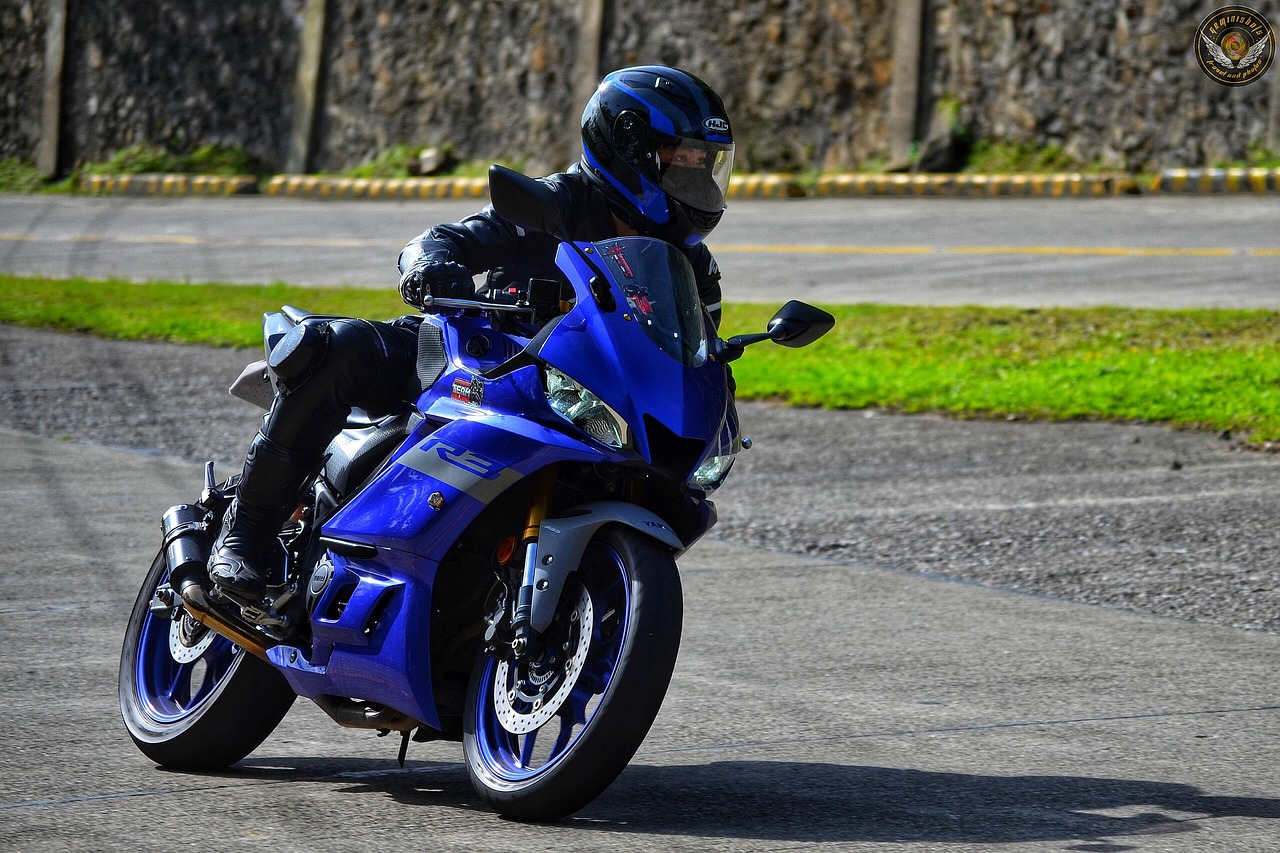
Motorcycle categories are useful only when they connect to real riding needs. A standard or naked motorcycle usually offers a neutral riding position and straightforward controls, which can make it easier to assess for commuting and general use. Cruisers often have a lower seat and relaxed ergonomics, but some models use long wheelbases and forward controls that may feel heavy at low speed. Sport bikes can be precise and responsive, but aggressive ergonomics and sharp throttle response may not suit a new rider or daily urban traffic.
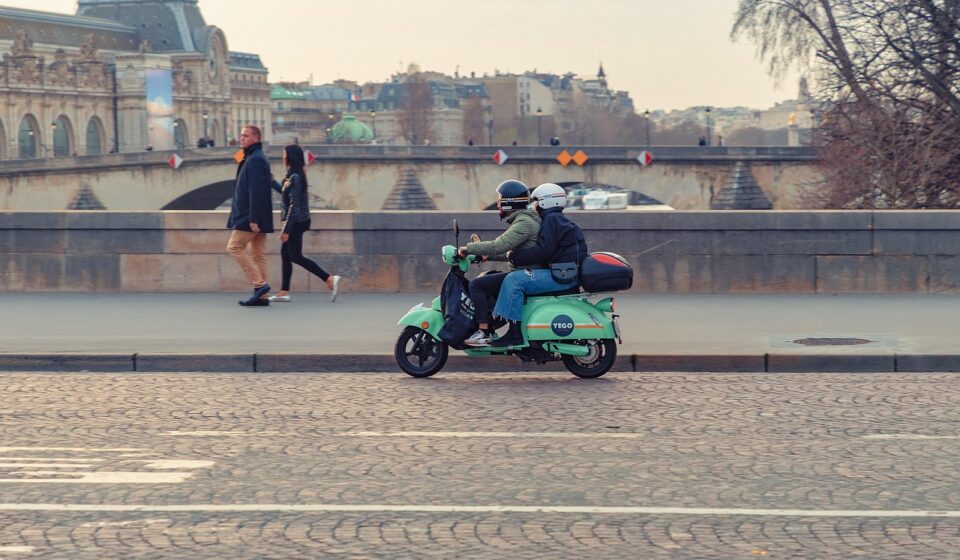
Touring and adventure motorcycles add comfort, luggage options, wind protection, and range. They can also add weight, height, tire cost, and more expensive crash-damage risk. Scooters and small-displacement motorcycles can be practical in dense cities, especially where storage, fuel economy, and easy parking matter more than highway power.
Do not judge suitability by engine displacement alone. Weight, seat height, clutch feel, throttle response, brake behavior, turning radius, heat management, and riding position often matter more in daily ownership. A motorcycle that looks reasonable on paper can still be the wrong choice if it feels top-heavy, overheats in slow traffic, or causes wrist, knee, or back discomfort after a short ride.
Check fit, skill level, and control before you commit
Physical fit affects safety and confidence, not just comfort. Sit on the motorcycle with the riding gear you expect to use. Check whether you can reach the bars without locking your elbows, operate the clutch and brake smoothly, use the rear brake without stretching, and put stable pressure through your feet when stopped. The bike does not need to feel effortless in every situation, but you should not feel trapped, overextended, or unable to balance it during slow maneuvers.
The Motorcycle Safety Foundation advises new riders to take formal hands-on training and notes that novice street riders have traditionally started with smaller motorcycles before moving to larger and more powerful machines. That guidance remains practical because low-speed balance, emergency braking, and smooth clutch control are easier to build on a motorcycle that does not intimidate the rider.
If you are new to riding, consider taking a beginner course before buying. The MSF Basic RiderCourse includes classroom or online learning plus on-motorcycle training, and it introduces core controls, shifting, stopping, turning, swerving, and emergency braking. Training may also help you decide whether a standard, cruiser, scooter, or sport-style riding position suits you before you spend money on the wrong type of bike.
Safety features and gear should shape the short list
Safety should be part of the buying decision from the beginning. In the United States, NHTSA’s 2024 motorcycle traffic safety data reported 6,228 motorcyclists killed, representing 16 percent of all traffic fatalities. The same data set listed a motorcyclist fatality rate of 28.00 per 100 million vehicle miles traveled, almost 27 times the passenger-car occupant rate of 1.05. These numbers do not mean every ride is unsafe, but they explain why the bike, braking system, rider training, and gear deserve serious attention.
ABS should be high on the priority list for many street riders. The Insurance Institute for Highway Safety reported in 2021 that motorcycles equipped with optional ABS were involved in 22 percent fewer fatal crashes per 10,000 registered vehicle years when compared with the same models without ABS. The study covered motorcycles where ABS was available as an option, so it is not a guarantee for every model or every crash scenario. Even with that limitation, it is strong evidence that ABS is a meaningful safety feature, especially for real-world panic braking on imperfect roads.
Helmet selection requires more than a quick size guess. NHTSA states that motorcycle helmets sold in the United States must meet Federal Motor Vehicle Safety Standard No. 218 and carry the DOT label. The DOT mark is a manufacturer certification rather than a direct government approval, and NHTSA warns that novelty helmets and fake labels exist. Buyers should check fit, retention, shell condition, manufacturing information, and whether the helmet is appropriate for the type of riding planned.
Build riding gear into the purchase budget before deciding how much motorcycle you can afford. At minimum, plan for a certified helmet, gloves, abrasion-resistant jacket and pants, over-the-ankle boots, eye protection, and weather-appropriate layers. If gear is treated as an afterthought, buyers often overspend on the motorcycle and underfund the equipment that affects every ride.
New vs used motorcycles and what each choice changes
A new motorcycle gives you a clear ownership history, current model-year equipment, warranty coverage, and easier financing in many markets. It can also come with dealership fees, higher depreciation, and pressure to buy accessories immediately. New is often sensible when you want manufacturer support, modern safety technology, and a predictable starting point.
A used motorcycle can offer better value, lower depreciation, and access to discontinued models. The tradeoff is uncertainty. A low-mileage motorcycle is not automatically healthy if it has old tires, stale fuel, neglected brake fluid, corrosion, crash damage, or missing maintenance records. A higher-mileage motorcycle with complete service documentation may be a better buy than a polished machine with no history.
The Motorcycle Industry Council’s used motorcycle guide recommends viewing the bike in daylight, bringing an experienced rider or arranging a dealership inspection when possible, and test-riding only if the seller allows it and the buyer is licensed. That is sound advice because private-party sales often become as-is transactions once the title and money are exchanged. See also: Chassis Systems.
When comparing new and used, estimate the total first-year cost. Include sales tax, title and registration, insurance, gear, a first service, tires if needed, battery, fluids, brake pads, chain and sprockets, luggage or security equipment, and any known recalls or service campaigns. The cheapest purchase price may not be the cheapest ownership decision.
Used motorcycle inspection checklist
A used motorcycle inspection should follow a consistent order: documents, cold condition, static inspection, start-up, test ride if appropriate, and post-ride leak check. Do not let clean paint distract you from mechanical evidence. Many expensive problems are visible if you slow down and inspect the parts that actually wear.
| Area to inspect | What to check | Why it matters |
|---|---|---|
| Documents | Title, VIN, registration, lien status, seller identity, keys, manuals, service records | Paperwork problems can stop registration or hide ownership risk. |
| Tires and wheels | Tread depth, sidewall cracking, uneven wear, tire age, wheel dents, bearing play | Old or damaged tires affect grip and may require immediate replacement. |
| Brakes | Pad thickness, rotor scoring, lever feel, fluid color, ABS warning light if equipped | Brake repairs can be safety-critical and more expensive than expected. |
| Controls | Throttle return, clutch feel, lever damage, cables, switches, mirrors, steering smoothness | Sticky or damaged controls can indicate neglect or crash history. |
| Fluids | Engine oil, coolant, brake fluid, fork oil seepage, leaks under the bike | Dirty or low fluids suggest weak maintenance habits. |
| Drive system | Chain rust, tight spots, sprocket teeth, belt cracks, shaft-drive leaks | Drive parts wear as a system and can add immediate cost. |
| Frame and chassis | Scraped bar ends, bent levers, dented tank, cracked fairings, misaligned wheels | Cosmetic marks may point to drops, slides, or frame concerns. |
| Electrical system | Battery condition, charging behavior, lights, turn signals, horn, added wiring | Poor accessory wiring can create intermittent faults. |
Ask the seller not to warm up the motorcycle before you arrive. A cold start can reveal battery weakness, hard starting, smoke, fuel-delivery issues, and unusual engine noise. Once the engine is running, listen for rattles, check whether the throttle returns cleanly to idle, and watch for warning lights that stay on.
If a test ride is possible and legal, keep it controlled and purposeful. Check clutch engagement, transmission shift quality, brake feel, steering stability, and whether the bike pulls to one side. After the ride, look again for oil, coolant, brake fluid, or fork oil leaks. If you are not qualified to evaluate these items, pay for a professional inspection before purchase.
Budget for parts, maintenance, and ownership
Many buyers negotiate the motorcycle price but overlook the parts that determine early ownership cost. Tires, brake pads, brake fluid, chain and sprockets, engine oil, filters, coolant, spark plugs, batteries, cables, fork seals, bulbs, and fasteners should all be considered when inspecting a used bike. Some items are routine maintenance; others become bargaining points if replacement is overdue.
Parts availability is also part of the buying decision. Popular models usually have better aftermarket support, more owner knowledge, and easier access to wear parts. Rare imports, discontinued models, heavily customized motorcycles, or bikes with missing original components may become difficult to maintain even if the purchase price looks attractive.
Insurance can vary widely by motorcycle type, rider age, location, claim history, and coverage level. Before you buy, request an insurance quote using the exact model, year, and VIN if available. A motorcycle that fits your budget in the seller’s driveway may become unreasonable after insurance, financing, tires, gear, and the first service are included.
Finally, leave money for inspection and setup. A freshly purchased motorcycle should be checked against the MSF T-CLOCS approach: tires and wheels, controls, lights and electrics, oil and fluids, chassis, and stands. This routine is useful before rides and especially important after buying a machine with unknown history.
Frequently asked questions
What is the most important thing to check before buying a motorcycle?
The first check is whether the motorcycle fits your intended use, skill level, and body control. After that, documents and mechanical condition matter most. A clear title, matching VIN, evidence of maintenance, healthy tires, working brakes, clean fluids, and undamaged controls are stronger buying signals than appearance alone.
Should a beginner buy a new or used motorcycle?
Either can work. A new motorcycle provides warranty coverage and a known starting point, while a used motorcycle can reduce depreciation and free up budget for gear and training. For many beginners, a clean, lighter used motorcycle with ABS and good service records can be a practical first step, but only if it passes inspection.
Is ABS worth it on a motorcycle?
For most street riders, ABS is worth strong consideration. IIHS research found a 22 percent reduction in fatal crash involvement for ABS-equipped versions of the same motorcycle models in its 2021 analysis. ABS does not replace training or safe following distance, but it can help preserve control during hard braking.
How much should I budget beyond the motorcycle price?
Budget for taxes, registration, insurance, rider training, protective gear, security equipment, and the first maintenance visit. If buying used, also reserve money for tires, brake pads, battery, fluids, chain and sprockets, and any inspection findings. A lower purchase price is not a bargain if it immediately requires major safety-related repairs.
What should make me walk away from a used motorcycle?
Walk away from a missing or questionable title, mismatched VIN, undisclosed lien, evidence of serious crash damage, structural concerns, major leaks, unsafe tires, nonfunctioning brakes, suspicious wiring, or a seller who refuses reasonable inspection. Unclear paperwork and hidden mechanical problems can cost more than choosing a better motorcycle from the start.