How to buy a used car without overpaying or missing major problems

Start with the right buying plan
Learning how to buy a used car starts before you contact a seller. A safer process is to set a total budget, shortlist suitable models, verify the vehicle identification number, inspect the car carefully, compare financing, and read every document before signing. A low advertised price can become expensive if the car has an open safety recall, a branded title, hidden accident damage, poor maintenance records, or loan terms that raise the total cost. This guide focuses on practical steps buyers can use to reduce those risks without relying on guesswork.
For more vehicle-shopping checklists and ownership tips, visit our Buying Guides section.
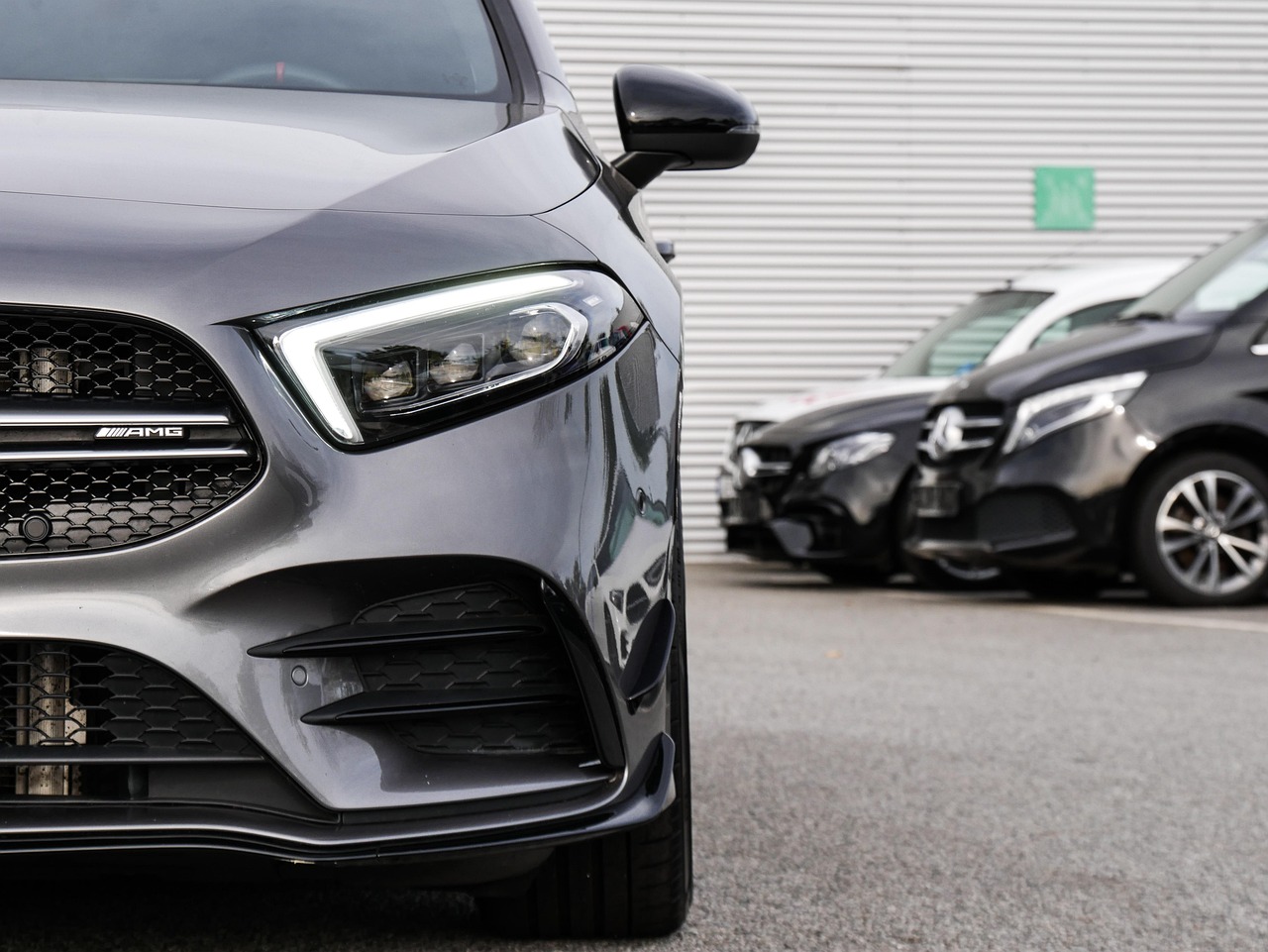
The used-car market changes with interest rates, inventory, fuel prices, and local demand, but the fundamentals stay the same: buy the vehicle, not the story. A clean listing, polished photos, or a friendly sales pitch should never replace a title check, a mechanical inspection, and a clear understanding of the purchase contract.
Set a realistic budget before you shop
The price on the windshield is only one part of the cost. A realistic used-car budget should include taxes, registration, insurance, inspection fees, possible title fees, loan interest, and immediate maintenance. Many buyers also need to reserve money for tires, brakes, fluids, a battery, or small repairs that were not obvious during the test drive.
If you plan to finance the car, focus on the total amount paid over the loan, not only the monthly payment. A longer loan can make a car look affordable while increasing total interest cost and keeping you in debt after the vehicle has lost more value. The Consumer Financial Protection Bureau advises buyers to compare financing options and understand the amount financed, annual percentage rate, loan term, and total cost before choosing an offer.
- Set a purchase ceiling: Decide the maximum out-the-door price before you shop.
- Estimate ownership costs: Insurance, fuel, maintenance, and common repairs can vary widely by model.
- Keep a repair reserve: Even a good used car may need service soon after purchase.
- Separate price from financing: Negotiate the vehicle price before discussing add-ons or monthly payments.
A practical rule is to know your walk-away number before you see the car in person. That number should include all fees you are willing to pay, not just the advertised price.
Choose the right type of seller
Used cars are commonly sold by franchised dealers, independent dealers, online dealers, and private sellers. Each option has advantages and limits. A dealer may offer more inventory, financing support, trade-in handling, and a written Buyer’s Guide. A private seller may offer a lower price, but usually provides fewer protections and no dealer-backed warranty.
| Seller type | Potential advantages | Key risks to check |
|---|---|---|
| Franchised dealer | More structured paperwork, trade-in support, possible certified pre-owned options | Higher pricing, add-on products, financing markup, limited warranty exclusions |
| Independent dealer | Broad used inventory and possible lower pricing | Vehicle history gaps, unclear warranty terms, extra fees |
| Online dealer | Convenient comparison and delivery options | Return policy limits, shipping fees, remote inspection challenges |
| Private seller | Potentially lower price and direct history from the owner | As-is sale, title problems, unpaid liens, fewer legal remedies |
For dealer purchases in the United States, the Federal Trade Commission’s Used Car Rule generally requires a Buyer’s Guide on used vehicles offered by dealers. That guide discloses whether the vehicle is sold as is or with a warranty, and it should identify major systems covered by any dealer warranty. Rules and consumer remedies can vary by state, so buyers should not assume that every used-car sale includes the same protections.
Research the model before checking individual cars
A good deal on the wrong model is still a bad deal. Before comparing individual listings, narrow your search to vehicles that fit your usage, budget, and repair tolerance. A compact commuter car, a family SUV, a work truck, and a performance vehicle have different maintenance patterns and ownership costs.
Look for patterns rather than isolated complaints. Common issues may include transmission failures, oil consumption, premature suspension wear, infotainment problems, or expensive hybrid battery replacement. No used car is risk-free, but knowing common weak points helps you ask better questions and budget for realistic maintenance.
Check depreciation and mileage context
Mileage matters, but it does not tell the whole story. A high-mileage car with regular service records can be a safer purchase than a low-mileage car with long gaps in maintenance. Highway miles can be easier on certain components than short urban trips, but there is no universal rule. What matters most is whether the car’s condition, records, age, and price make sense together.
Watch for ownership-cost surprises
Some vehicles are inexpensive to buy but costly to own because parts, tires, fluids, or labor are expensive. Before you commit, check the price of common wear items such as brake pads, tires, spark plugs, filters, and major scheduled services. If the model uses specialty parts, complex electronics, air suspension, turbocharging, or all-wheel drive, repairs may cost more than buyers expect.
Verify the VIN, title, history, and recall status
The vehicle identification number is the anchor for your research. Confirm that the VIN on the listing, dashboard, driver-side door label, title, and service documents match. If the seller refuses to provide the VIN before a meeting, treat that as a warning sign.
A vehicle history report can help identify title brands, reported accidents, odometer readings, past registrations, salvage records, and other events. However, a history report is not a complete inspection. Not all repairs, crashes, flood damage, or maintenance work appear in every database. The National Motor Vehicle Title Information System notes that its consumer reports include title information and certain junk, salvage, and insurance total-loss data, but buyers should understand that a clean report does not guarantee a problem-free vehicle.
- Title status: Avoid unclear, missing, unsigned, duplicate, or mismatched titles.
- Liens: Make sure any loan is properly paid off before money changes hands.
- Odometer consistency: Compare the odometer to service records, inspection records, and history reports.
- Brand history: Be cautious with salvage, rebuilt, flood, lemon, junk, or total-loss brands.
- Open recalls: Use the VIN to check for unrepaired safety recalls before purchase.
The National Highway Traffic Safety Administration provides a VIN-based recall lookup for unrepaired safety recalls. A recall does not automatically mean the car should be rejected, but an unrepaired safety recall should be addressed before regular use. Some recalls may depend on parts availability or a dealer appointment, so confirm the practical repair timeline.
Inspect the car before negotiating seriously
Inspect a used car in daylight, on dry pavement, and when the engine is cold. A warm engine can hide hard-starting issues, smoke, leaks, or abnormal noises. Walk around the vehicle slowly and look for uneven panel gaps, mismatched paint, overspray, rust, cracked lights, tire wear, fluid leaks, and signs of previous body repair.
Exterior and body checks
Check the roof, pillars, door jambs, trunk floor, rocker panels, and visible underbody areas. Flood damage can show up as musty odor, water stains, corrosion under seats, silt in hidden areas, or electrical problems. Rust should be judged by severity and location. Surface rust on a bracket is different from structural corrosion on frame rails, suspension mounting points, or rocker panels.
Interior and electronics
Test every switch, display, light, window, lock, seat adjustment, climate-control mode, camera, sensor, and infotainment function. Modern vehicles can be expensive to repair when electronic modules or driver-assistance systems fail. Warning lights should turn on during the key-on check and then turn off after start-up. If warning lights never illuminate, someone may have tampered with the cluster. See also: Chassis Systems.
Engine bay and fluids
Look for oil leaks, coolant residue, cracked belts, loose hoses, corrosion, and signs of poor repairs. Check oil, coolant, brake fluid, and transmission fluid where applicable. Milky oil, burnt fluid odor, low coolant, or repeated top-off signs may indicate deeper problems. A clean engine bay is not proof of good maintenance; it may simply have been detailed for sale.
If the car passes your initial inspection, pay for a pre-purchase inspection by an independent mechanic familiar with the vehicle type. This step is especially important for older vehicles, luxury models, hybrids, performance cars, trucks used for towing, and any car with accident history. The inspection cost can be small compared with the cost of a missed transmission, engine, electrical, or structural issue.
Use the test drive to confirm condition, not emotion
The test drive should include city streets, rough pavement, parking maneuvers, steady cruising, braking, and acceleration. Start with the radio off so you can hear noises. The car should start smoothly, idle consistently, shift without harshness, track straight, brake without vibration, and maintain normal operating temperature.
- Steering: Listen for clunks and check whether the car pulls to one side.
- Brakes: Feel for pulsation, grinding, sinking pedal feel, or uneven stopping.
- Transmission: Watch for delayed engagement, slipping, jerking, or flare between gears.
- Suspension: Listen for knocking over bumps and check for excessive bouncing.
- Engine: Note hesitation, smoke, overheating, rough idle, or warning lights.
Do not let a seller rush the drive or limit it to a short loop. If the car cannot be driven because of missing plates, a dead battery, insurance concerns, or a vague explanation, the risk increases. A vehicle that cannot be test-driven should be priced and evaluated like a project, not a ready daily driver.
Compare financing and negotiate the out-the-door price
Before visiting a dealer, consider getting preapproved by a bank, credit union, or other lender. A preapproval gives you a comparison point and can reduce pressure in the finance office. Dealer-arranged financing may still be competitive, but you should compare the annual percentage rate, loan term, amount financed, fees, and total cost.
When negotiating, focus on the out-the-door price: vehicle price plus taxes, title, registration, dealer fees, and required charges. Add-ons such as service contracts, paint protection, wheel-and-tire coverage, anti-theft products, nitrogen tires, and maintenance plans should be optional unless clearly disclosed and legally required in your transaction. If an add-on is already included, ask for its cost, cancellation terms, and whether the same vehicle can be purchased without it.
Negotiation works best when you have comparable listings, inspection findings, and a clear maximum price. If the inspection identifies worn tires, brake wear, leaking struts, overdue maintenance, or a weak battery, use the estimated repair cost as a factual basis for a lower offer. Specific evidence is stronger than a general claim that the car feels overpriced.
Read the paperwork before you sign
The final documents matter more than verbal promises. If the seller promised repairs, accessories, a warranty, a second key, new tires, or a refund condition, make sure it appears in writing before signing. For dealer purchases, compare the Buyer’s Guide, purchase agreement, financing contract, warranty documents, and add-on forms. If the Buyer’s Guide says the car includes a warranty but another document says as is, stop and ask for the conflict to be corrected in writing.
For private-party purchases, verify the seller’s identity, title ownership, lien release if applicable, mileage disclosure, bill of sale, emissions or safety inspection requirements, and state-specific transfer process. Meet in a safe location and avoid paying before the title and vehicle are ready to transfer properly. If the seller’s name is not on the title, be cautious; title jumping can create registration and legal problems.
Final delivery checklist
- Confirm the VIN on the car matches the title and sale documents.
- Get all keys, remotes, manuals, wheel-lock keys, and charging cables if applicable.
- Save copies of the Buyer’s Guide, bill of sale, warranty documents, and financing contract.
- Confirm temporary tags, registration steps, insurance coverage, and inspection deadlines.
- Schedule any open recall repair, overdue maintenance, or inspection follow-up.
The best time to find a paperwork error is before the deal is complete. Once you sign, unwind options may be limited and state-specific.
Frequently asked questions
What is the safest way to buy a used car?
The safest method is to verify the VIN and title, review a vehicle history report, check for open recalls, inspect the car in person, complete a test drive, and pay for an independent pre-purchase inspection before signing. No single step catches every problem, but the combination greatly reduces avoidable risk.
Should I buy a used car from a dealer or a private seller?
A dealer may offer more structured paperwork, financing options, and possible warranty coverage. A private seller may offer a lower price but usually provides fewer protections. The better choice depends on the car’s condition, title status, records, price, and your ability to inspect and verify the transaction.
Is a vehicle history report enough?
No. A history report is useful, but it is not a substitute for a mechanical inspection. Some accidents, repairs, flood damage, and maintenance gaps may not appear in a report. Use the report to identify warning signs, then verify condition through inspection and documentation.
When should I walk away from a used car?
Walk away if the VIN does not match, the title is missing or unclear, the seller refuses an inspection, the car has unexplained warning lights, the paperwork conflicts with the sales pitch, or the deal depends on pressure tactics. There are usually other cars available, while a bad purchase can remain expensive for years.
What should I do immediately after buying?
Complete registration and insurance requirements, save all documents, schedule overdue maintenance, repair open recalls, and monitor fluid levels, tire pressure, brakes, and warning lights during the first weeks of ownership. A careful post-purchase service baseline can help prevent small issues from becoming larger repairs.


