Male electrical connector basics for automotive wiring and component selection
What a male electrical connector means in automotive wiring
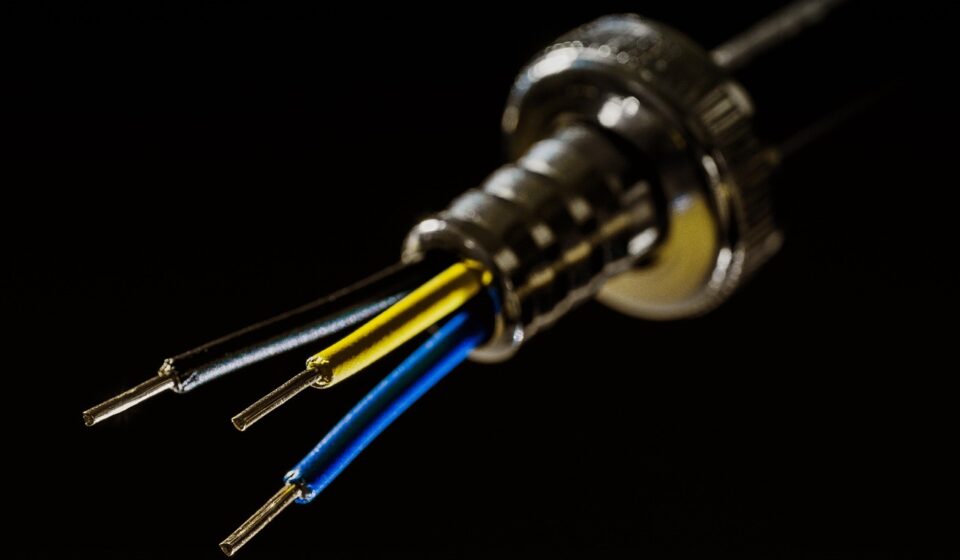
A male electrical connector is generally the connector side with a protruding conductive contact, such as a pin, blade, or tab, designed to mate with a female socket, receptacle, or contact. In automotive wiring, the term should not be judged only by the outer plastic housing. Many connector families separate housing description from terminal gender, so a plug housing may contain male or female terminals depending on the system design. This distinction matters because a wrong assumption can lead to incorrect mating parts, weak retention, open circuits, overheating, or a connector that fits mechanically but is not electrically suitable.
When comparing electrical parts across harnesses, sensors, lighting assemblies, control modules, and aftermarket repair kits, first identify the contact gender. Then confirm the housing series, cavity count, pitch, keying, seal type, terminal size, wire range, and operating environment. More background on related automotive electrical parts can be found in the Electrical Components category.
Male contact, plug housing, and header are not always the same thing
Connector terminology is easy to misread because suppliers, catalogs, and repair manuals may describe different parts of the same assembly. Connector manufacturers commonly use male and female as contact terms, while plug, receptacle, jack, and header may describe the housing style, mounting method, or functional side of the connection. For that reason, a technician should not order a connector only because it appears to be the “male half” in a photo.
Contact gender
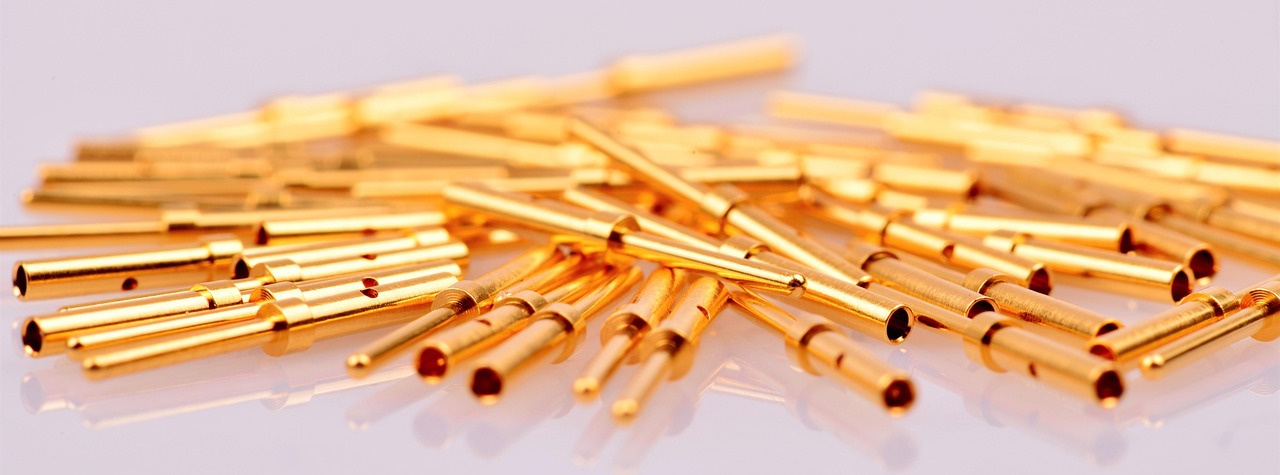
The most direct meaning of male is the metal interface that enters or wipes against a female contact. Common automotive male contacts include round pins, flat blades, stamped tabs, and board-mounted header pins. The mating female contact provides spring force around or against the male contact to maintain electrical continuity under vibration, thermal cycling, and repeated service.
Housing style
The plastic housing positions the terminals, provides insulation, protects the latch, and controls mating orientation. A housing may be called a plug, cap, receptacle, or header depending on the product family. In some catalog systems, plug describes the movable cable-side half rather than the gender of the terminals inside it. The terminal drawing, cavity view, and supplier part data are therefore more reliable than housing shape alone.
Header applications
A header is often a male connector mounted to a printed circuit board, sensor body, fuse box, control module, or sealed device enclosure. Header pins are usually fixed in place, while the mating harness connector carries terminals crimped to wires. In automotive electronics, header design affects pin alignment, solder joint stress, sealing strategy, and serviceability.
Selection factors that matter beyond gender
After the male electrical connector side has been identified, the next question is whether it suits the circuit and environment. Automotive connectors face more than simple plug-and-unplug use. They may be exposed to vibration, splash water, dust, oils, road salt, high under-hood temperature, low winter temperature, and repeated thermal expansion. A connector that works on a bench can still fail in a vehicle if the terminal, seal, or latch is mismatched.
Current rating and voltage rating
Current rating depends on terminal geometry, contact material, plating, conductor size, contact resistance, heat dissipation, and the number of loaded cavities. A connector used for a low-current signal circuit should not be assumed suitable for a motor, lamp, heater, or power distribution circuit. Voltage rating also matters because insulation spacing, creepage, clearance, and contamination risk affect safety and durability. Treat catalog ratings as conditions-based values, not universal guarantees.
Wire size and crimp compatibility
The male terminal must match the wire gauge or cross-sectional area specified for the terminal barrel. If the wire is too small, the crimp may lack mechanical strength and stable conductivity. If the wire is too large, strands may be cut, the barrel may not form correctly, or the terminal may not fit into the housing cavity. Automotive crimp quality is critical because many failures begin at the cable-to-terminal interface rather than at the visible mating face.
Sealing and ingress protection
Sealed male connectors use cavity seals, wire seals, interface seals, or mat seals to reduce moisture and contaminant entry. The seal system must match the wire insulation diameter and housing design. An incorrect wire outside diameter can leave a leak path even when the connector appears fully assembled. For external lighting, engine bay sensors, chassis harnesses, and underbody circuits, sealing is often as important as current rating.
Locking, terminal retention, and CPA features
Automotive male connectors often include primary terminal retention, secondary locks, connector latches, and connector position assurance features. These parts help prevent terminal back-out and accidental unmating. A connector without a secure latch may pass a quick continuity check but fail after vibration, harness movement, or maintenance handling.
How standards and supplier data help reduce risk
Connector standards do not replace engineering judgment, but they give buyers and designers a common language for evaluating performance. SAE/USCAR-2 is widely referenced for automotive electrical connector system performance, including environmental and durability expectations for connector and terminal systems. IEC 60512 is a broad test standard family for electromechanical components used in electronic equipment, covering methods that may relate to contact resistance, mechanical operation, vibration, and environmental exposure. UL 1977, in its 2022 edition, addresses component connectors used in data, signal, control, and power applications.
These standards are not identical and should not be treated as interchangeable checkboxes. An automotive harness connector may need performance evidence aligned with vehicle-level requirements, while an industrial or appliance connector may follow a different safety and certification path. When selecting a male connector, ask which standard or test program the part was evaluated against, which revision or test condition was used, and whether that evidence matches the intended application.
| Selection question | Why it matters | What to verify |
|---|---|---|
| Is the male side defined by terminal or housing? | Prevents ordering the wrong mating part | Terminal drawing, cavity view, mating connector series |
| Is the circuit power, signal, or mixed? | Different circuits create different heat and noise concerns | Current rating, voltage rating, loaded-cavity condition |
| Will the connector be exposed to water or road contaminants? | Moisture and corrosion increase contact resistance | Seal design, wire seal range, environmental rating |
| Is vibration a concern? | Fretting and terminal movement can create intermittent faults | Latch design, terminal retention, validated mating pair |
| How will the connector be serviced? | Repair errors often occur during depinning and reassembly | Terminal extraction method, secondary lock, cavity numbering |
Common failure modes in male electrical connectors
Male connector failures are often blamed on the visible pin, but the root cause may be elsewhere in the connection system. Recognizing common failure modes helps technicians diagnose faults more accurately and helps buyers avoid mismatched components. See also: Buying Guides.
Bent or misaligned pins
Male pins and blades are exposed during mating, so they can bend if the connector is forced at an angle or paired with the wrong keyed housing. Even a small alignment error can reduce contact area or push a female spring contact beyond its intended range. Keying, polarization, and clear cavity markings reduce this risk, but they do not replace correct assembly technique.
Fretting corrosion
Fretting can occur when tiny relative movements break down the contact surface over time. In vehicles, vibration and thermal cycling can create this motion. As surface films build up, resistance may increase and intermittent faults may appear before a complete open circuit develops. Proper terminal normal force, compatible plating, stable retention, and strain relief all help limit this problem.
Terminal back-out
A terminal that is not fully seated may touch the mating terminal during a static inspection but lose contact during driving. Secondary locks and terminal position assurance designs are used to reduce this risk. During repair, it is important to listen and feel for correct terminal seating and then confirm that the lock is fully engaged.
Overheating
Overheating can result from excessive current, high contact resistance, poor crimping, contamination, damaged plating, or reduced contact pressure. Discoloration, softened plastic, odor, and local insulation damage are warning signs. Replacing only the plastic housing without addressing the terminal, wire, and mating side may leave the root cause unresolved.
Practical checklist for identifying the right mating connector
When the part number is missing or unreadable, a structured identification process is safer than relying on visual similarity. Start by recording the application, number of circuits, wire colors, wire sizes, and whether the connector is sealed. Then inspect the contact shape and measure key dimensions without damaging the terminal. Note the latch style, polarization ribs, cavity numbering, and any secondary lock color or position.
- Confirm whether “male” refers to the pin or blade contact, not only the shell shape.
- Match the connector family and cavity count before considering near-lookalike alternatives.
- Check terminal size, plating, and wire range against the circuit load.
- Verify that the mating half, seals, plugs, wedges, and locks are part of the same connector system.
- Avoid mixing terminals from one family with housings from another unless supplier documentation explicitly allows it.
- For safety-related, high-current, or harsh-environment circuits, rely on documented specifications rather than appearance.
This checklist is especially useful for harness repair, aftermarket accessory installation, and component replacement. It also helps prevent a common mistake: selecting a male electrical connector that physically enters the mating housing but lacks the correct terminal geometry or retention features for long-term vehicle use.
Frequently asked questions
Is a male electrical connector always the power side?
No. Gender describes the mating interface, not the direction of power flow. In many designs, the energized side may use recessed female contacts to reduce accidental touch risk, but this is a design choice rather than a universal rule. Always verify the circuit diagram and connector documentation before assuming polarity or power direction.
Can a male terminal be installed in any matching-looking housing?
No. Terminals are designed for specific cavities, locks, seals, and mating interfaces. A similar-looking terminal may not seat correctly or may create unstable contact pressure. For automotive use, the terminal, housing, seal, and mating connector should be treated as one validated system.
What is the difference between a male connector and a header?
A male connector describes the contact gender, while a header usually describes a fixed connector mounted to a board, module, sensor, or device body. Many headers contain male pins, but not every male connector is a header. Cable-side plug assemblies can also contain male contacts.
Why do some catalogs list a plug housing for female terminals?
Catalog terms often describe the housing’s role in the connector system rather than the gender of the metal contacts. A plug housing can be the movable harness-side piece and still accept female terminals. This is why the terminal specification and mating part information are more reliable than the housing name alone.
What should be checked before replacing a damaged male connector?
Check the mating connector, terminal condition, wire size, seal condition, latch, cavity numbering, and evidence of overheating or corrosion. If the mating female terminal has lost spring force or is contaminated, replacing only the male side may not fix the fault. The repair should restore the complete connection system, not just the visible damaged piece.