How to find the invoice price of a car before you negotiate

What invoice price means and why it still matters
If your search is “how to find invoice price of car,” start by identifying the exact vehicle, checking an independent pricing guide, comparing that figure with the window sticker, and asking the dealer for a VIN-specific factory invoice or itemized quote. Invoice price is the amount shown on the manufacturer’s invoice to the dealer. It is useful, but it is not always the dealer’s final economic cost. Holdback, dealer cash, volume bonuses, finance income, trade-in profit, and add-ons can all affect the economics of a sale.
Use invoice price as a reference point for the vehicle’s base price and factory-installed options, not as your only target. The number that matters in the final comparison is the written out-the-door price, including the selling price, required fees, taxes, title, registration, and any agreed add-ons. For more practical car shopping topics, visit our Buying Guides.
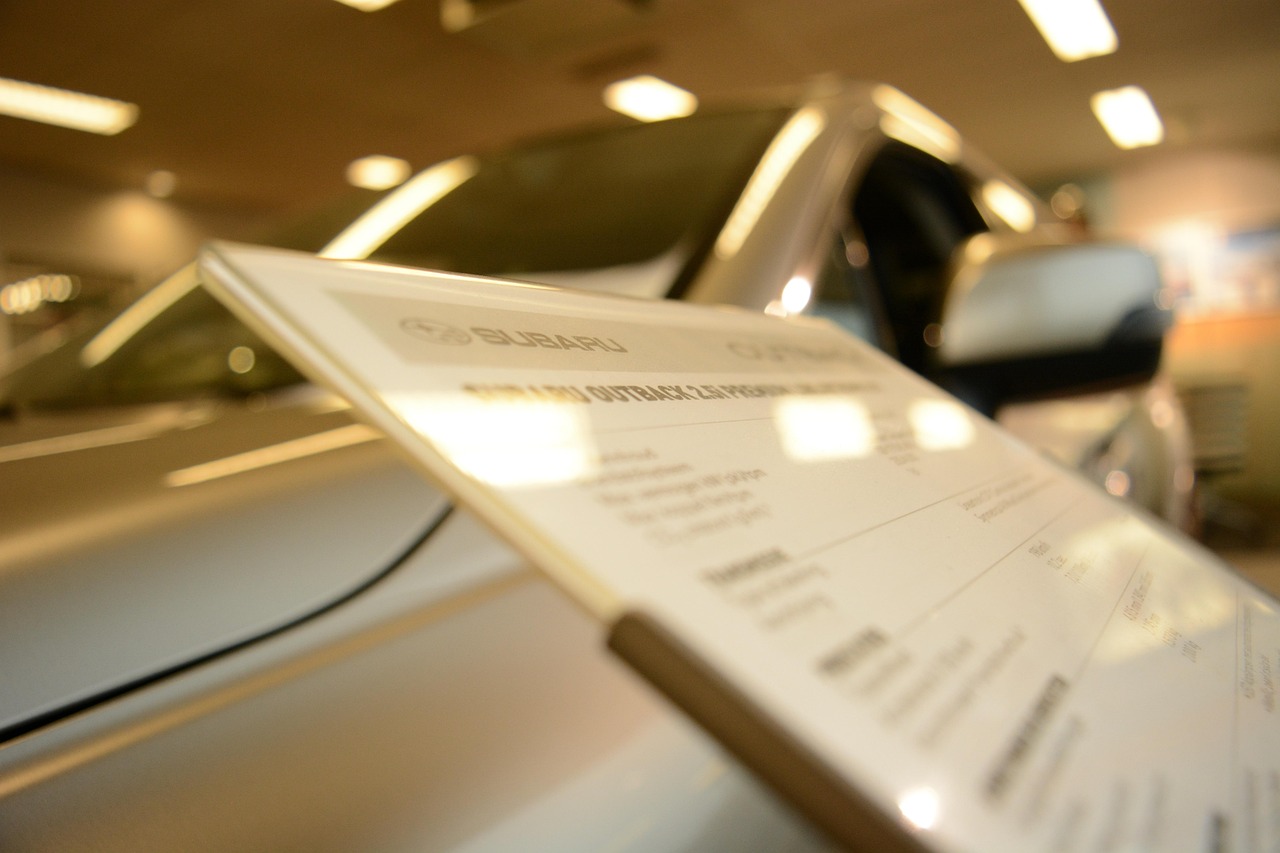
Invoice price is not the same as MSRP or out-the-door price
New-car pricing involves several numbers that sound similar but serve different purposes. Mixing them up can make a dealer offer look stronger than it really is.
| Price term | What it means | How to use it |
|---|---|---|
| MSRP | The manufacturer’s suggested retail price shown on the new-car window sticker, including factory equipment and listed destination charge. | Use it to confirm the official sticker price and compare discounts. |
| Dealer invoice price | The amount shown on the manufacturer’s invoice to the dealer for the vehicle and factory-installed equipment. | Use it as a benchmark for the dealer’s starting cost, not as proof of the dealer’s final cost. |
| Market price | What buyers are actually paying in your region for similar vehicles. | Use it to judge whether invoice-based targets are realistic in the current market. |
| Out-the-door price | The total written price including the selling price, required fees, taxes, title, registration, and any agreed add-ons. | Use it to compare offers from different dealers. |
The Monroney window sticker is federally required on new vehicles sold in the United States. It lists the MSRP, factory options, destination charge, fuel economy information, and other disclosures. It is a reliable source for confirming the vehicle’s official configuration, but it does not show the dealer invoice price.
Invoice price also should not be confused with a dealer’s online advertised price. In September 2026, the Federal Trade Commission published auto price transparency guidance stating that required dealer fees must be included in the advertised price, excluding government-required charges. For buyers, the practical takeaway is to ask for a written out-the-door price rather than relying on a headline discount.
How to find the invoice price of a car step by step
Start with the exact vehicle configuration
Invoice pricing depends on the build. Before looking up a number, write down the model year, make, model, trim, drivetrain, engine, paint charge, packages, port-installed options, and destination charge. Two vehicles that look similar on a dealer lot can have different invoice prices because of wheel packages, technology packages, tow packages, premium paint, or regional equipment.
The window sticker is the best starting document because it lets you match the vehicle you are researching with the vehicle being sold. If you are shopping online, ask the dealer for the window sticker or the VIN-specific build sheet before discussing price.
Use independent pricing tools
Major automotive pricing guides may show estimated invoice pricing, fair purchase price ranges, recent transaction estimates, or factory invoice data when available. These tools are helpful because they organize base price, options, and destination information in a consistent format.
Coverage varies by brand, model year, and data provider. Some tools emphasize market price over invoice price because recent transaction data may be more useful than the dealer’s invoice number. If a pricing guide says invoice data is unavailable for a new or newly redesigned model, do not fill the gap with an unsourced number from a forum or social media post.
Ask the dealer for a VIN-specific invoice or itemized price sheet
You can ask a dealer to show the factory invoice for the exact VIN. Some dealers will share it; others may not. If they do, compare the base price, factory options, destination charge, and any advertising or regional assessment lines against the window sticker and the dealer’s quote.
A dealer-provided invoice should not end the discussion. It may not reflect holdback, manufacturer-to-dealer incentives, stair-step volume bonuses, floorplan assistance, or other credits. Treat it as one document in the negotiation file, not as the final statement of dealer profit.
Check manufacturer incentives separately
Consumer rebates, loyalty offers, conquest offers, military or graduate programs, low-APR financing, and lease cash can change the value of a deal. Some incentives are public, while dealer cash and volume-based programs may be harder for buyers to verify.
Always ask whether the quoted selling price is before or after rebates. A dealer may advertise a large discount that combines dealer discount, consumer rebate, and conditional incentives that not every buyer qualifies for. Ask for the selling price before incentives, the incentives applied, and the final out-the-door price.
What invoice price usually includes and what it may leave out
The invoice price generally reflects the vehicle and factory-installed equipment. Still, destination, regional advertising assessments, and option charges may be displayed differently depending on the source. A line-by-line comparison is more reliable than focusing on one invoice total.
- Base vehicle invoice: the invoice amount for the trim before options.
- Factory options: packages and equipment installed by the manufacturer.
- Destination or freight: often shown separately on the window sticker and may be handled differently by pricing guides.
- Regional advertising or assessment fees: sometimes appear on invoices, but they are not always treated the same way in negotiations.
- Dealer-installed accessories: items added by the dealer, such as wheel locks, tint, paint protection, or nitrogen, are not factory invoice items.
- Taxes, title, registration, and documentation fees: these are not part of the vehicle invoice and should be reviewed in the out-the-door quote.
One common mistake is double-counting destination. If the invoice number or quote already includes freight or destination, it should not be added again as a separate charge. Another mistake is accepting mandatory add-ons without separating their actual value from the vehicle selling price.
Why invoice price is not the dealer’s true net cost
Invoice price sounds like the dealer’s cost, but auto retail has more moving parts. Dealer holdback is one example. It is a manufacturer payment or credit that can reduce the dealer’s effective cost after the vehicle is sold or after a set period. Manufacturer-to-dealer incentives can also make it possible for a dealer to sell below invoice and still have a profitable overall transaction. See also: Chassis Systems.
There are revenue sources outside the front-end vehicle price as well. A dealer may earn money from financing reserve, extended service contracts, protection products, trade-in resale, accessories, or manufacturer volume targets. This does not mean every below-invoice offer is profitable, and it does not mean every dealer has unlimited room to discount. It means invoice is a benchmark, not a complete cost statement.
Current market conditions matter too. Kelley Blue Book reported on October 13, 2026, that U.S. average new-vehicle transaction prices increased for the fourth consecutive month in September 2026 and remained near record highs. In a high-demand market or on a scarce model, invoice price may have little negotiating power. On a slow-selling trim, outgoing model year, or vehicle with rising inventory, invoice can be more useful.
How to use invoice price in a negotiation
The strongest approach is to combine invoice research with competitive quotes. Instead of saying, “I want invoice,” build a clear offer around a specific VIN or configuration.
- Confirm the vehicle: match the VIN, trim, packages, and window sticker.
- Estimate invoice: use a recognized pricing guide and note whether destination is included.
- Check incentives: separate dealer discount from manufacturer rebates and conditional offers.
- Request written quotes: ask at least three dealers for the same vehicle or a very similar configuration.
- Compare out-the-door totals: review taxes, title, registration, document fees, dealer fees, and add-ons.
- Negotiate the selling price first: keep financing, trade-in, and protection products separate until the vehicle price is clear.
A practical script is: “I am comparing this exact trim with the same equipment. Please send the selling price before incentives, the incentives applied, any required dealer fees or accessories, and the full out-the-door price.” This keeps the discussion focused on verifiable numbers.
If a dealer says a price is “below invoice,” ask which invoice number they are using and whether the quote includes destination, dealer-installed accessories, advertising fees, and conditional rebates. A below-invoice claim only means something when the full price structure is visible.
When invoice price is less useful
Invoice price has limits. It is usually most relevant for new vehicles sold through franchised dealers. It is much less useful for used cars because used-car pricing depends on auction values, trade-in cost, reconditioning, mileage, condition, accident history, warranty coverage, and local demand.
It is also less helpful for vehicles with heavy markups, limited allocation, special editions, or long waitlists. In those cases, market price and allocation pressure may drive the deal more than invoice. For electric vehicles, lease programs, tax-credit eligibility, and fast-changing incentives can have a larger impact than invoice alone.
Finally, invoice price does not protect you from unwanted products in the finance office. The FTC has repeatedly warned consumers to review add-ons and ask for written pricing before visiting the dealership. Even after negotiating a fair vehicle price, the final contract can change if accessories, service contracts, theft products, or protection packages are added without clear consent.
Frequently asked questions
Can I ask a dealer to show me the invoice price?
Yes. You can ask for a VIN-specific factory invoice or itemized price sheet. The dealer may agree or decline. If you receive one, compare it with independent pricing information and the window sticker instead of assuming it shows the dealer’s final cost.
Is paying invoice price a good deal?
It depends on the vehicle and the market. Paying invoice may be strong on a popular model with low supply, average on a slow-selling vehicle, or less attractive if large manufacturer incentives are available. Always compare invoice with current transaction prices and written out-the-door quotes.
Does invoice price include destination charge?
Sometimes it is included in a displayed total, and sometimes it is shown separately. The safest method is to compare line items. Confirm whether destination is already included before adding it to your target price.
Can a dealer sell below invoice and still make money?
Yes, in some cases. Holdback, dealer cash, volume bonuses, financing income, trade-in profit, and add-on products can change the overall economics of the deal. But not every dealer has the same incentives or inventory pressure.
What is the best number to negotiate from?
Use invoice price as one reference, but negotiate from the written out-the-door price. The out-the-door number is the clearest comparison because it includes the vehicle selling price, required fees, taxes, title, registration, and any agreed add-ons.


