Motorcycle helmet buying guide for fit, safety standards, and riding style

Start with safety certification, then solve for fit
A sound helmet purchase starts with two checks: whether the helmet meets a recognized motorcycle helmet safety standard, and whether it fits securely enough to stay in place during a crash. This motorcycle helmet buying guide focuses on practical buying decisions rather than brand rankings. For riders in the United States, the baseline is a DOT-compliant helmet that meets Federal Motor Vehicle Safety Standard No. 218. Riders may also see ECE 22.06 or Snell labels, which refer to separate standards or certification programs. Once certification is confirmed, fit matters more than graphics, price, or add-on features. A helmet that is too loose, painful after 30 minutes, or wrong for your head shape can reduce comfort and may compromise protection.
The buying process is straightforward: choose a certified helmet style that matches your riding, measure your head carefully, wear the helmet long enough to find pressure points, and avoid novelty helmets or used helmets with an unknown history. More buying advice for riders and vehicle owners is available in our Buying Guides section.
Understand the helmet standards before comparing models
Helmet labels are not just marketing details. They show which minimum test framework the helmet was designed to meet. In the United States, the National Highway Traffic Safety Administration explains that motorcycle helmets sold for road use must meet FMVSS No. 218 and display a DOT certification label. NHTSA also makes an important distinction: it does not pre-approve every helmet before sale. Manufacturers self-certify compliance, while the agency can test helmets from the marketplace and take action against noncompliant products. (nhtsa.gov)
| Marking | What it means for buyers | Useful caution |
|---|---|---|
| DOT / FMVSS No. 218 | Required baseline for motorcycle helmets sold for U.S. road use. | DOT is a self-certification system, so buy from reputable sellers and inspect the label carefully. |
| ECE 22.06 | United Nations helmet regulation used in many markets and listed by the UK government as an accepted road helmet standard. | For U.S. road legality, an ECE-only helmet may not replace the need for a DOT label. |
| Snell M2025 | A voluntary certification program from the Snell Memorial Foundation, with M2025 listed as the current motorcycle standard family. | Snell certification should be verified by the label and the specific standard, not just by advertising copy. |
A proper DOT label should include the manufacturer or brand, model designation, the DOT symbol, FMVSS No. 218, and the word certified. NHTSA warns that some retailers sell novelty helmets that do not meet federal safety requirements, even if they resemble motorcycle helmets. (nhtsa.gov)
For cross-border buyers, the key issue is not whether one label is always superior in every situation. The practical question is where you ride and what your local law, insurer, training provider, or track-day organizer recognizes. A helmet can be well made and still be the wrong legal choice if it lacks the required marking for your road jurisdiction.
Choose the helmet style for the way you ride
Helmet style affects protection coverage, noise, airflow, weight, visibility, and daily convenience. Start with your normal riding environment rather than the helmet that looks most aggressive on a shelf.
Full-face helmets
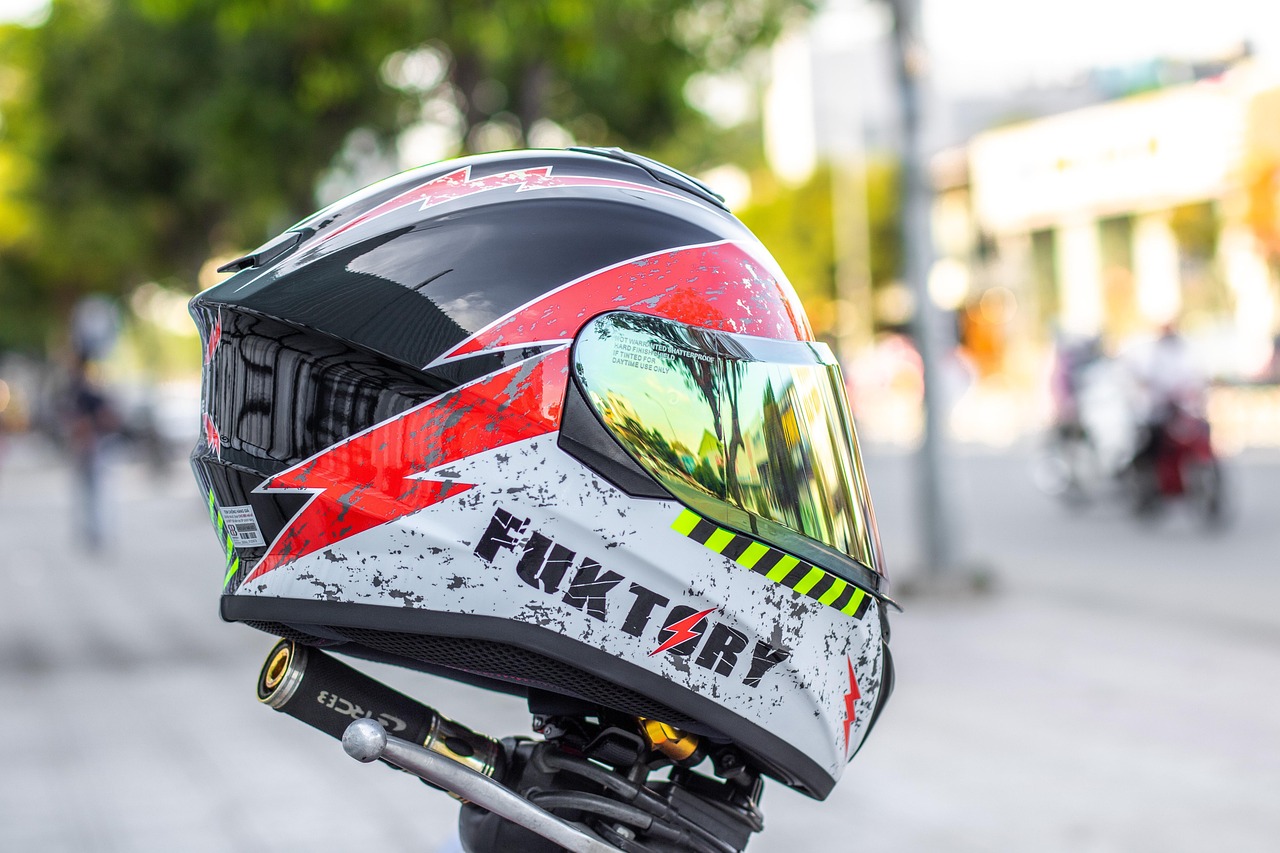
A full-face helmet covers the crown, sides, back of the head, and chin area. It is usually the most protective style for street riding because it includes a fixed chin bar and integrated eye protection. It is a strong default choice for commuting, highway riding, touring, sport riding, and year-round use. Trade-offs can include more heat at low speed, more effort when talking at stops, and the need to manage visor fogging in cold or wet weather.
Modular helmets
Modular helmets use a hinged chin bar that can lift when stopped. They are popular with touring and commuting riders who want easier conversation, glasses access, or fuel-stop convenience. When comparing models, check whether the helmet is approved for riding with the chin bar open or only closed. Also compare weight carefully; the hinge system can make modular helmets heavier than comparable full-face models.
Open-face and half helmets
Open-face helmets can feel airy and provide a wide field of view, but they do not offer the same chin coverage as a full-face helmet. Half helmets offer even less coverage. IIHS summarizes research showing that certified helmets reduce the likelihood of death and brain injury, and it also notes research associating novelty helmets and reduced-coverage helmets with worse crash outcomes than certified full-face helmets. (iihs.org)
Adventure, dual-sport, and off-road helmets
Adventure and dual-sport helmets often combine a face shield, a visor peak, and space for goggles. They can work well for mixed pavement and dirt riding, but the peak may catch wind at highway speeds. Pure off-road helmets are designed around dirt airflow, goggles, and roost protection; they may not be the best choice for long highway use unless they also meet the road standard required where you ride.
Fit is the part you cannot fix later
A certified helmet still has to fit your head. NHTSA advises riders to determine head shape, measure head circumference with a cloth tape just above the eyebrows and around the widest rear point, then compare that number with the manufacturer’s size chart. It also recommends wearing a new helmet for 30 to 45 minutes to reveal pressure points before riding. (nhtsa.gov)
Most riders fall into one of three general head-shape groups: round oval, intermediate oval, or long oval. A helmet that is too round for your head may create forehead pressure. A helmet that is too narrow or too long may create painful side pressure. This is why two helmets in the same size can feel completely different.
Use this fit checklist before buying:
- The helmet should feel evenly snug around the crown, not loose at the forehead or back.
- Your cheeks should be held firmly, but you should not bite the inside of your cheeks.
- When the chin strap is fastened, the helmet should not roll forward off your head.
- If you shake your head, the helmet should move with your skin rather than sliding independently.
- Hot spots should not become painful during a 30 to 45 minute indoor wear test.
- Your glasses, earbuds, or communication system should not create pressure that ruins the fit.
Do not buy a helmet that is clearly too large because it feels comfortable in the store. Comfort padding breaks in with use, so a helmet that starts loose may become unsafe and distracting after a few weeks. At the same time, do not accept sharp pain and hope it will disappear. Some brands offer alternate cheek pads or liners, but you should not cut or modify the impact liner to solve a fit problem.
Comfort features matter because they affect actual use
Once certification and fit are settled, comfort features determine whether you will wear the helmet correctly on every ride. Ventilation matters in warm climates and slow traffic. Look for intake vents that are easy to operate with gloves and exhaust vents that let hot air escape. A drop-down sun visor can be convenient, but it should not replace a clear visor for night riding.
Noise control is another buying factor, especially for highway riders. A quieter helmet can reduce fatigue, but no motorcycle helmet should be treated as hearing protection by itself. Many experienced riders still use properly fitted earplugs for wind noise. If you use a Bluetooth communicator, check speaker pocket placement before purchase; poorly positioned speakers can create pressure against the ears.
Visor quality deserves more attention than it often receives. A good visor should seal well, resist distortion, and be easy to remove for cleaning. If you ride in rain or cold weather, confirm whether the helmet supports an anti-fog insert. If you ride at night, avoid relying on a dark tinted visor as your only shield.
Weight also matters, but it should be judged together with fit and balance. A slightly heavier helmet that sits securely may feel better after an hour than a lighter helmet that catches wind or presses on the forehead. Touring riders should pay particular attention to neck fatigue, while city riders may prioritize airflow and quick visor operation. See also: Chassis Systems.
Inspect the helmet before purchase and before every ride
Before buying, inspect the exterior shell, visor seal, vent operation, chin strap, stitching, and certification labels. For U.S. DOT helmets, the rear label and inner label should look permanent and specific to the helmet model, not like a vague decorative sticker. If the price seems unusually low, the label looks incorrect, or the seller cannot identify the model and certification, choose another helmet.
Avoid used helmets unless you personally know their full history. Motorcycle helmets are designed to manage impact energy, and damage may not always be visible from the outside. Snell explains that certified crash helmets are intended to manage severe impact shock in one accident and recommends replacement after five years of normal use. (smf.org)
Replace a helmet immediately after a crash or significant impact. Also consider replacement if the helmet has a cracked shell, compressed liner, loose retention hardware, worn-out padding that no longer holds your head, a damaged visor mechanism, chemical exposure, or an age beyond the manufacturer’s recommendation. A helmet is not a lifetime item; sweat, UV exposure, liner compression, strap wear, and accidental impacts all matter over time.
A practical buying framework for different riders
For a new street rider, a DOT-compliant full-face helmet with a secure fit, clear visor, good ventilation, and easy replacement parts is a sensible starting point. Do not spend the entire gear budget on graphics while ignoring gloves, jacket, pants, and boots. Protection works as a system.
For a daily commuter, prioritize low-speed ventilation, anti-fog capability, visor changes, comfort with glasses if needed, and manageable noise. A modular helmet may be convenient, but confirm the chin bar rating and make sure the extra weight does not create fatigue.
For highway touring, look for stable aerodynamics, low noise, an effective visor seal, speaker pockets, interior liner availability, and a shell shape that does not lift at speed. Touring riders should try the helmet in a riding posture if possible, because windscreen height and neck angle can change how the helmet feels.
For sport or track-oriented riding, check both road legality and organizer requirements. Some events require Snell, ECE, FIM, ACU, or a current date range. Do not assume a legal road helmet automatically qualifies for every track organization.
For adventure and mixed-surface riding, balance peak design, goggle compatibility, shield sealing, dust ventilation, and highway stability. A helmet that works well on a trail may be noisy or unstable during a long interstate ride.
Frequently asked questions
Is a more expensive motorcycle helmet always safer?
No. Price can reflect shell materials, weight reduction, ventilation, noise management, visor quality, graphics, brand positioning, and comfort features. Safety certification is the baseline. A properly certified mid-priced helmet that fits correctly is usually a better purchase than an expensive helmet that fits poorly.
Should I buy DOT, ECE 22.06, or Snell?
Buy the certification required where you ride first. In the United States, that generally means DOT / FMVSS No. 218 for road use. ECE 22.06 and Snell certification can be useful additional signals, but they do not automatically replace local legal requirements. If you ride internationally or attend track days, check the exact rulebook before buying.
How tight should a new motorcycle helmet be?
It should be snug enough that it moves with your head and skin, not independently, but it should not create sharp pain. Expect firm cheek pressure and even crown contact. Wear it indoors for 30 to 45 minutes before committing, because pressure points often appear after the first few minutes.
Can I keep using a helmet after dropping it?
A small drop from a seat or shelf may not always mean the helmet is ruined, but any impact that may have compressed the liner or damaged the shell should be treated seriously. If the helmet was involved in a crash, replace it. When in doubt, follow the helmet manufacturer’s inspection or replacement guidance.
What is the biggest mistake when buying a motorcycle helmet?
The most common mistake is buying for appearance before certification and fit. A helmet should first meet a recognized standard, fit your head shape, stay secure with the strap fastened, and remain comfortable long enough for real riding. Graphics and accessories should come after those basics.
Bottom line
The right motorcycle helmet is not simply the one with the most aggressive design or the highest price. Start with a legitimate safety standard, match the style to your riding, confirm shape and size through a real fit test, and inspect labels and hardware before purchase. Replace the helmet after a crash, when fit degrades, or when it reaches the manufacturer’s service-life guidance. That approach gives riders a more reliable way to buy a helmet than relying on brand claims or quick showroom comfort alone.