Auto electrical components in modern vehicles explained
What auto electrical components include today
Auto electrical components are the parts that generate, store, distribute, switch, protect, sense, control, and consume electrical power in a vehicle. In older vehicles, the electrical system was often discussed in terms of the battery, starter, alternator, lights, fuses, relays, and wiring harness. In modern vehicles, the same category also covers electronic control units, sensors, actuators, body control modules, power electronics, battery management systems, in-vehicle communication networks, and high-voltage safety devices.
The practical point is clear: vehicle reliability now depends on electrical integrity as much as mechanical durability. A weak connector, unstable ground point, overloaded circuit, software-controlled module fault, or mismatched sensor can disable functions that once seemed separate, from charging and lighting to braking assistance and emissions control. For more articles in this area, see the Electrical Components section.
The main categories of auto electrical components
Vehicle platforms differ, but most electrical systems can be grouped into several working categories. These categories help with parts sourcing, diagnosis, inventory planning, and technical communication between suppliers, repairers, and fleet operators.
Power generation and storage
The 12 V battery remains central in many passenger cars, including many electric vehicles that still use a low-voltage system for body electronics, lighting, locks, control modules, and safety wake-up functions. In combustion-engine vehicles, the alternator converts mechanical energy into electrical energy and recharges the battery. In hybrid and electric vehicles, DC-DC converters often take over the alternator’s role by stepping high-voltage battery energy down to the low-voltage system.
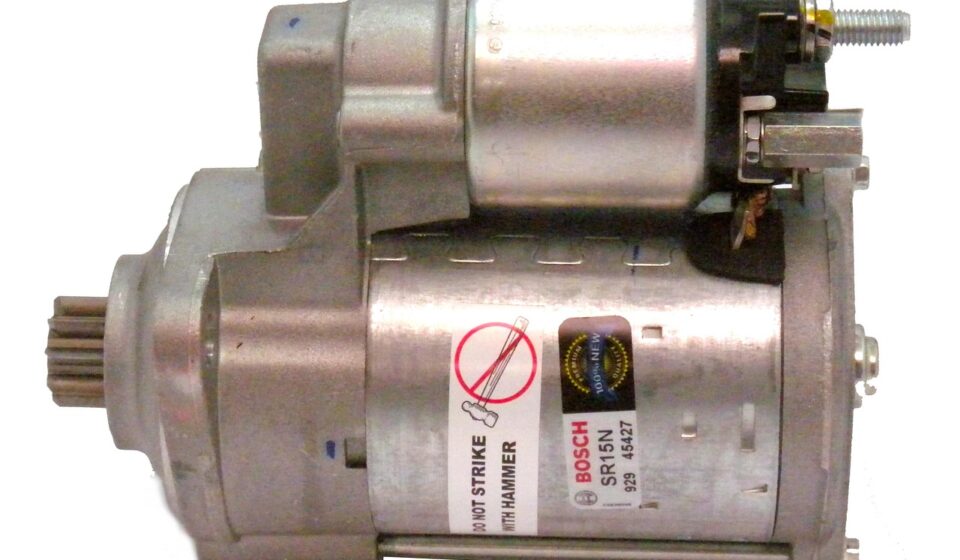
Common components in this group include lead-acid or auxiliary lithium batteries, alternators, voltage regulators, starter motors, DC-DC converters, onboard chargers, and battery management electronics. Their quality affects cold starting, module stability, charging behavior, and the ability of safety systems to stay powered during abnormal conditions.
Power distribution and circuit protection
Power distribution parts move electricity safely from the energy source to the load. This group includes wiring harnesses, junction boxes, fuse boxes, relays, power distribution units, busbars, circuit breakers, fusible links, terminals, and ground straps. In electric vehicles, high-voltage distribution adds contactors, pre-charge resistors, service disconnects, isolation monitoring, and orange high-voltage cabling.
Protection is not only about keeping a part from burning out. It is also about controlling heat, reducing voltage drop, isolating faults, and keeping circuit behavior predictable when something fails. Incorrect fuse ratings, loose terminals, undersized conductors, or poor crimp quality can create intermittent faults that are difficult to reproduce during workshop diagnosis.
Control modules and in-vehicle networks
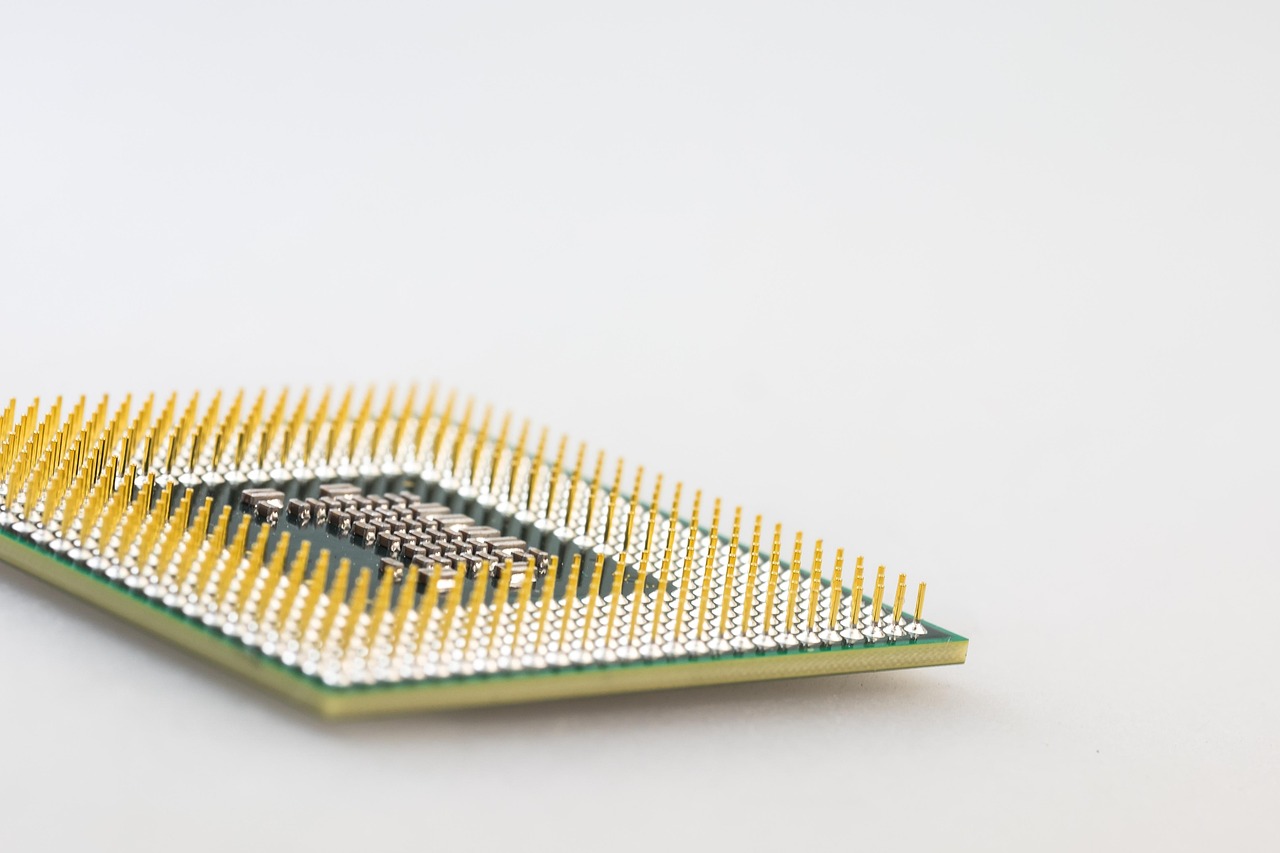
Modern cars use electronic control units to manage powertrain, body, chassis, safety, thermal, lighting, infotainment, and charging functions. These modules communicate over networks such as CAN, LIN, Automotive Ethernet, and, in heavy-duty applications, SAE J1939-based systems. SAE’s J1939 family remains important for commercial and off-highway vehicle communication and diagnostics; the top-level recommended practice was revised in March 2026.
Control modules make electrical components more capable, but they also make system faults more interconnected. One unstable supply line, poor ground, water-damaged connector, or network termination issue may trigger diagnostic trouble codes across several modules that do not appear related at first. This is why electrical diagnosis increasingly combines voltage testing, scan-tool data, wiring checks, and network analysis.
Sensors, switches, and actuators
Sensors convert physical conditions into electrical signals. Examples include crankshaft and camshaft sensors, wheel speed sensors, oxygen sensors, temperature sensors, pressure sensors, rain sensors, current sensors, battery sensors, and pedal position sensors. Switches and input devices tell a module what the driver or vehicle system is requesting. Actuators convert electrical commands into movement, heat, light, sound, or fluid control.
This group includes fuel injectors, ignition coils, solenoids, motors, throttle bodies, fan assemblies, window regulators, lock actuators, pumps, lighting modules, and HVAC blend door motors. Performance depends on the component itself, but also on power supply quality, signal integrity, connector sealing, and calibration compatibility.
Why electrification is changing component requirements
The shift toward hybrid and electric vehicles is increasing both the number and the criticality of electrical parts. The International Energy Agency’s Global EV Outlook 2025 reported that electric car sales topped 17 million worldwide in 2024, rising by more than 25% from 2023 and pushing electric cars above one-fifth of global car sales for the first time. That benchmark matters for component planning because electrified platforms are no longer a niche segment.
Electrification changes the parts mix in several ways. Traditional starters and alternators may decline on certain platforms, while DC-DC converters, inverters, onboard chargers, charge ports, battery management systems, thermal sensors, coolant pumps, high-voltage connectors, and contactors become more important. Even non-EV vehicles are using more electronic content through start-stop systems, 48 V mild hybrid systems, advanced driver assistance, digital cockpits, adaptive lighting, and connected functions.
High-voltage systems also raise safety expectations. In the United States, FMVSS No. 305 and the newer related requirements address electric-powered vehicle protection against electrolyte spillage and electric shock. For parts professionals, the key point is that EV electrical components should not be treated as simple higher-capacity versions of 12 V parts. They operate under different insulation, creepage, clearance, thermal, sealing, and service-disconnect requirements.
Standards and safety concepts buyers should recognize
Auto electrical components are shaped by standards, regulations, and platform-specific specifications. Not every replacement part is directly certified to every standard, and requirements vary by market and vehicle type. Even so, several references are useful when assessing technical risk and supplier claims.
| Reference area | Why it matters for electrical components | Practical sourcing implication |
|---|---|---|
| ISO 26262 | Addresses functional safety for safety-related electrical and electronic systems in series-production road vehicles. | Safety-related modules, sensors, actuators, and power electronics need controlled design, validation, and traceability. |
| ISO/SAE 21434 | Defines cybersecurity engineering requirements for road vehicles. | Connected modules, gateways, telematics, and software-updatable components require security-aware development and lifecycle support. |
| SAE J1939 | Supports communication and diagnostics in many heavy-duty and off-highway vehicle networks. | Network compatibility, connector pinout, message support, and diagnostic behavior should be checked before substitution. |
| FMVSS No. 305 and 305a | Relates to electric-powered vehicle shock protection and electrolyte spillage requirements in the U.S. regulatory context. | High-voltage components should be treated as safety-critical parts, not generic electrical hardware. |
These references do not replace the vehicle maker’s service information. They do help explain why a part that looks physically similar may not be interchangeable. Software version, safety concept, voltage class, environmental rating, communication protocol, diagnostic logic, and connector design can all determine whether a component is suitable. See also: Buying Guides.
Common failure modes and diagnostic clues
Electrical faults often appear random, but many have repeatable causes. Heat, vibration, moisture, corrosion, overcurrent, poor grounding, weak batteries, pin tension loss, and previous repair damage are frequent contributors. Because modules are sensitive to supply voltage and signal quality, a basic power or ground issue can look like a complex electronic failure.
- Voltage drop: Dim lights, slow cranking, module resets, and charging complaints can result from resistance in cables, terminals, fuses, or grounds.
- Connector corrosion: Water intrusion and road salt can increase resistance or create intermittent sensor signals, especially in wheel-end, lighting, and underbody circuits.
- Thermal stress: Relays, fuse boxes, blower motor circuits, battery terminals, and high-current connectors can overheat when contact resistance rises.
- Network faults: Shorted communication wires, incorrect termination, or a failed module can prevent multiple ECUs from communicating.
- Software and calibration mismatch: A replacement module may require coding, initialization, or matching to the vehicle configuration.
A disciplined diagnostic sequence usually starts with battery state, charging output, fuses, grounds, connector condition, and service information before any expensive module is replaced. In many cases, the failed item is not the most visible component, but the supply, return, or signal path feeding it.
How to evaluate component quality and compatibility
Quality evaluation should combine electrical, mechanical, environmental, and system-level criteria. For simple service parts, this may mean checking rating, fitment, terminal design, insulation, and packaging quality. For more complex modules and sensors, compatibility with the vehicle’s control strategy is just as important as physical fit.
Important checks include voltage and current rating, connector keying, pin count, terminal material, sealing level, operating temperature range, vibration resistance, electromagnetic compatibility, diagnostic support, and calibration requirements. For high-current circuits, conductor size and contact resistance deserve close attention. For sensors, signal type, response range, mounting position, and reference voltage matter. For control modules, part number supersession and software compatibility can decide whether the repair succeeds.
Buyers should be cautious with vague descriptions such as universal, upgraded, or heavy duty when no test method, material specification, or fitment boundary is stated. A useful product description should make the application clear: vehicle model range, engine or platform, voltage class, connector type, installation position, and any programming requirement. When those details are missing, the risk of wrong-part returns and repeat repairs increases.
What this means for the aftermarket and repair decisions
The aftermarket is moving from straightforward component replacement toward system-aware service. A lamp may include a module. A battery sensor may affect start-stop logic. A coolant pump may be tied to inverter temperature control. A gateway module may influence diagnostics across the entire vehicle. As electrical content grows, parts catalogs, workshops, and distributors need better technical data, not only broader inventory.
For fleet operators, electrical reliability directly affects uptime. Preventive inspection of charging circuits, grounds, fuse boxes, connectors, auxiliary batteries, and harness routing can prevent breakdowns that cost more than the component itself. For repair shops, documenting voltage measurements, scan data, freeze-frame information, and connector condition helps separate genuine part defects from installation or system faults.
The broader trend is clear: auto electrical components are becoming more software-linked, safety-linked, and platform-specific. That does not make traditional electrical knowledge obsolete. It makes fundamentals such as voltage, resistance, current flow, grounding, and circuit protection even more important, because those basics now support far more vehicle functions.
Frequently asked questions
What are the most common auto electrical components?
Common examples include the battery, alternator, starter motor, fuses, relays, wiring harness, switches, sensors, actuators, lighting units, control modules, connectors, and ground cables. Hybrid and electric vehicles add parts such as DC-DC converters, inverters, onboard chargers, contactors, charge ports, and battery management systems.
Are electrical and electronic auto parts the same?
They overlap, but they are not exactly the same. Electrical parts mainly carry, switch, generate, or distribute power. Electronic parts process signals, logic, software, and communication. Many modern components, such as smart lighting modules or battery sensors, combine both functions.
Why do electrical problems cause multiple warning lights?
Many vehicle systems share power supplies, grounds, sensors, and communication networks. A weak battery, poor ground, corroded connector, or network fault can affect several modules at once, causing multiple warnings even when only one circuit has the original fault.
Can a replacement electrical component work without programming?
Some parts are plug-and-play, but many modern modules, sensors, keys, battery monitors, and body electronics may require coding, calibration, initialization, or software matching. The answer depends on the vehicle platform and the component type.
What is the biggest change in auto electrical components?
The biggest change is the move from isolated electrical circuits to integrated electrical and electronic systems. Components increasingly interact through software, vehicle networks, safety logic, and high-voltage architecture, so compatibility and validation matter more than visual similarity.