Types of electrical components in vehicles and their functions
What electrical components do in a vehicle
The main types of electrical components in vehicles are best understood by function: power supply, distribution and protection, switching, sensing, control, actuation, lighting, communication, diagnostics and high-voltage electrification. A vehicle may use basic parts such as fuses, relays, connectors and lamps alongside electronic control units, sensors, motor drivers and battery-management electronics. What matters in service and design is what the part does: carry electrical energy, protect a circuit, measure a condition, make a control decision or convert an electrical signal into mechanical action.
For more articles in this category, see the electrical components section on Zijinteng.
The main categories at a glance
Vehicle electrical systems are often described by voltage level: 12-volt systems in conventional passenger cars, 24-volt systems in many heavy-duty vehicles, 48-volt subsystems in some mild hybrids and high-voltage systems in hybrid and battery-electric vehicles. One vehicle can contain more than one voltage domain, with converters and control modules managing how energy moves between them.
| Component category | Common examples | Main function | Typical failure clues |
|---|---|---|---|
| Power supply and storage | Battery, alternator, starter-generator, DC-DC converter | Store, generate or convert electrical energy | Hard starting, low-voltage warnings, dim lights |
| Distribution and protection | Fuse, fusible link, circuit breaker, relay box | Route current and protect circuits from overload | Dead circuit, repeated fuse failure, heat damage |
| Switching and control | Relay, switch, MOSFET driver, smart power module | Turn loads on and off safely | Intermittent operation, clicking relay, no output |
| Sensors and signals | Temperature, pressure, speed, position, oxygen and current sensors | Measure vehicle conditions | Warning lights, poor drivability, incorrect readings |
| Electronic control units | Engine ECU, body control module, ABS module, battery management system | Process inputs and command outputs | Communication errors, system-specific fault codes |
| Actuators and motors | Fuel injector, solenoid, fan motor, window motor, throttle actuator | Convert electrical commands into movement or flow | No movement, slow response, abnormal noise |
| Communication and diagnostics | CAN wiring, OBD connector, gateway module | Move data between modules and service tools | No scan-tool communication, network codes |
Power supply components
Power supply parts are the base of every automotive electrical system. In an internal-combustion vehicle, the battery supplies energy for starting, memory functions and electrical loads when the engine is off. Once the engine is running, the alternator generates power and recharges the battery. In start-stop and mild hybrid vehicles, a belt-driven or integrated starter-generator may take over functions normally handled by a separate starter and alternator.
Electrified vehicles add another layer. A traction battery stores propulsion energy, while a DC-DC converter supplies the low-voltage network used by body electronics, lighting, infotainment, locks, safety controllers and other conventional loads. This separation matters because many familiar vehicle accessories still operate on low voltage even when the propulsion system is powered by a high-voltage battery.
For U.S. electric-powered vehicle safety rules, the eCFR definition of a high-voltage source uses working voltage greater than 30 volts AC or 60 volts DC. That threshold helps explain why hybrid and electric vehicles use orange cables, service disconnects, shielding and isolation monitoring, while ordinary 12-volt circuits follow different handling practices.
Distribution, protection and connection components
Electrical energy has to reach each load safely. Wiring harnesses, busbars, terminals, connectors, junction boxes and ground points perform that job. These parts are sometimes treated as simple hardware, but they have a direct effect on reliability. A corroded terminal, loose ground or undersized connector can cause voltage drop, heat, intermittent faults or module communication problems.
Protection components limit damage when a fault occurs. Fuses open when current exceeds a specified level for a sufficient time. Fusible links protect higher-current feeds. Circuit breakers may be used where resettable protection is useful. In newer architectures, electronic high-side and low-side switches can combine switching, current sensing and diagnostic reporting in one semiconductor-based device.
The mounting environment changes the component requirement. Standards material from ISO 16750 describes environmental conditions and testing for road-vehicle electrical and electronic equipment according to installation location. A connector near the engine, underbody or battery pack faces different vibration, temperature, chemical and moisture exposure from a connector behind an instrument panel.
Sensors, signal devices and basic electronic parts
Sensors give control units the information needed to make decisions. Common examples include temperature sensors for coolant, air and battery packs; pressure sensors for oil, fuel, brake and refrigerant circuits; position sensors for pedals, throttle plates, camshafts and crankshafts; speed sensors for wheels and transmissions; and oxygen or air-fuel sensors for emissions control.
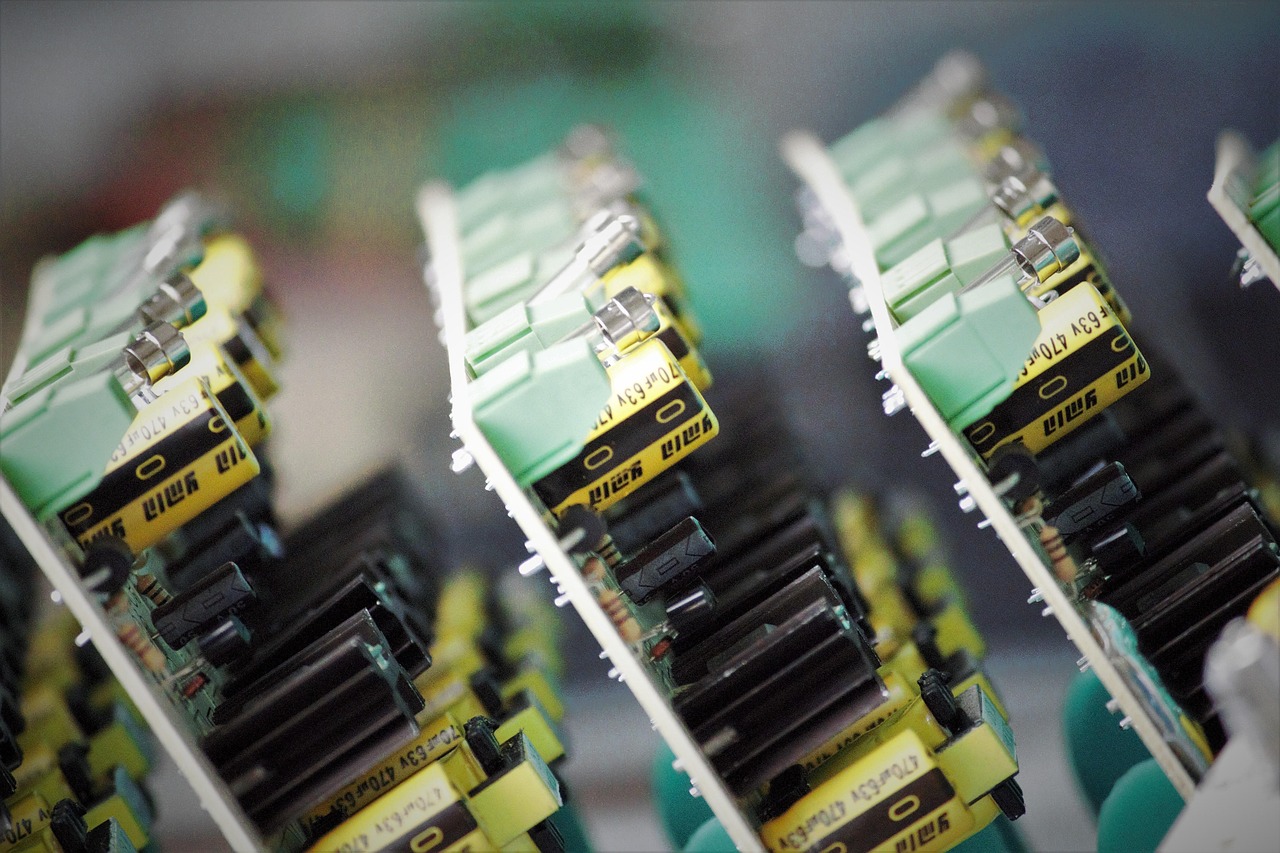
Many sensors and control modules also contain basic electronic components such as resistors, capacitors, inductors, diodes, transistors, integrated circuits and printed circuit boards. These parts are not always visible during vehicle service, but they shape signals, filter electrical noise, regulate voltage, switch loads and protect circuits from reverse polarity or transient voltage spikes.
The line between electrical and electronic components is useful, but it is not absolute. A fuse or connector is mainly electrical because it carries current. A microcontroller is electronic because it processes information. A smart sensor can be both: it may measure pressure, condition the signal, convert it to digital data and communicate with a control unit.
Control units, actuators and vehicle networks
Electronic control units form the decision-making layer of the vehicle. An engine control unit manages ignition, fuel injection, air control and emissions-related functions. A body control module may manage lighting, door locks, wipers and interior convenience functions. ABS and stability-control modules use wheel-speed and motion signals to manage braking interventions. Battery management systems monitor cell voltage, current, temperature and balancing in electrified vehicles.
Actuators carry out the command from the control system. They include relays, solenoids, injectors, electric pumps, cooling fans, window motors, seat motors, throttle actuators, electronic parking brake motors and HVAC blend-door motors. When an actuator stops working, the failed part is not always the actuator itself. The cause may be a poor power feed, weak ground, broken signal wire, failed driver circuit, seized mechanical load or missing command from the control unit.
Networks allow modules to share information. ISO material on Controller Area Network describes CAN as a road-vehicle communication architecture, while SAE J1939 is widely associated with heavy-duty vehicle communication and diagnostics. Passenger vehicles may use CAN, LIN, FlexRay, Ethernet or a mix of networks depending on function, speed and cost requirements. A gateway module often separates network domains and manages data between them.
Lighting, comfort and body electrical components
Body electrical systems include many of the components drivers notice every day. Exterior lighting includes headlamps, turn signals, brake lamps, daytime running lamps and reverse lamps. Interior systems include instrument displays, switches, power windows, mirrors, seats, door locks, climate-control motors and infotainment-related wiring. These parts may appear less critical than powertrain electronics, but many are tied to safety, visibility, security or driver information. See also: Buying Guides.
LED lighting has changed how many lighting circuits are built. Instead of a simple bulb and switch, an LED lamp assembly may include a driver circuit, thermal management features, diagnostics and communication with a body control module. As a result, a lighting fault can involve the lamp unit, wiring, coding, control module output or water intrusion, not just a replaceable bulb.
Comfort circuits also show how vehicle electrical loads are changing. Heated seats, heated glass, electric compressors, electric coolant pumps and advanced infotainment systems increase demand on the electrical network. This is one reason 48-volt subsystems appear in some mild-hybrid vehicles: they can support higher-power loads while many legacy circuits remain on 12 volts through conversion.
Diagnostics, standards and selection criteria
On-board diagnostics help technicians identify faults in monitored systems. U.S. EPA and California Air Resources Board materials describe OBD II as the second generation of on-board diagnostic requirements for light- and medium-duty vehicles, with warning-lamp and fault-code functions related especially to emissions monitoring. In modern vehicles, scan tools may also access body, chassis, safety and high-voltage systems, depending on manufacturer access and software capability.
Standards do not make all components interchangeable. ISO 26262 addresses functional safety for road-vehicle electrical and electronic systems, but whether a specific component must meet a particular safety process depends on its role in the vehicle function. UNECE Regulation No. 10 concerns electromagnetic compatibility, while electric-vehicle safety requirements such as FMVSS No. 305 and UN Regulation No. 100 focus on issues such as electrical shock protection and electric powertrain safety. The practical point is that two similar-looking components may have very different requirements when used in a safety-related, emissions-related or high-voltage circuit.
When evaluating or replacing an electrical component, the main criteria are voltage rating, current rating, connector type, pinout, environmental sealing, temperature range, vibration exposure, diagnostic compatibility and safety relevance. For harness and connector parts, mechanical retention and sealing can be as important as electrical conductivity. For sensors and modules, signal accuracy and communication protocol matter as much as physical fit.
How to think about component importance
A practical way to rank automotive electrical components is by failure impact. Some failures are local, such as a single interior lamp that stops working. Others can affect drivability, emissions, braking, steering assistance, battery charging or high-voltage safety. That is why a low-cost connector, ground strap or relay can become mission-critical when it sits in the supply path of a control module or safety system.
For readers comparing different types of electrical components, the key question is not only what the part is called. Ask what system it belongs to, what voltage it carries, whether it transfers power or also carries data, whether diagnostics monitor it and what happens if it fails open, fails shorted or sends an incorrect signal. That system-level view is closer to how modern vehicle electrical architecture is designed and serviced.
Frequently asked questions
What are the most common electrical components in a car?
The most common components include the battery, alternator, starter or starter-generator, fuses, relays, switches, wiring harnesses, connectors, sensors, lighting units, electric motors and electronic control modules. Modern vehicles also use network wiring and diagnostic connectors so modules can exchange data and report faults.
Are sensors electrical or electronic components?
Most automotive sensors are both. They are electrical because they connect to a powered circuit, and electronic because they often condition, convert or transmit a signal. A simple temperature sensor may change resistance, while a smart pressure sensor may output a processed analog or digital signal.
What is the difference between a relay and a fuse?
A relay is a switching device that allows a low-current control circuit to turn a higher-current load on or off. A fuse is a protection device that opens the circuit when excessive current creates a risk of damage. They often work together, but they perform different jobs.
Why do electric vehicles still use low-voltage components?
Electric vehicles use high-voltage systems for propulsion, but many accessories and control modules still rely on low-voltage power. A DC-DC converter usually supplies the low-voltage network from the traction battery, allowing familiar components such as lights, locks, displays and control units to operate safely and efficiently.
Can two similar-looking electrical components be interchangeable?
Not necessarily. Physical similarity does not confirm matching voltage, current capacity, pinout, sealing, software compatibility, diagnostic behavior or safety rating. In automotive applications, the circuit function and vehicle specification should be checked before substitution.