Snow blower maintenance tips for safer starts and better clearing
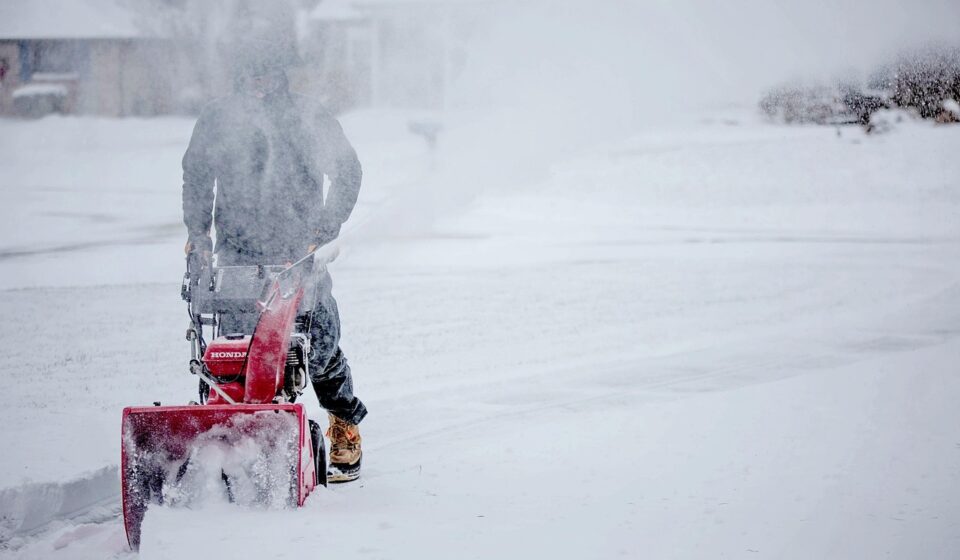
A snow blower that starts easily is only part of the job. Good snow blower maintenance also reduces clogging, protects moving parts, improves clearing performance, and helps prevent avoidable injuries. The core snow blower maintenance tips are straightforward: read the operator’s manual, disconnect the spark plug wire before service on gas models, use fresh fuel, inspect wear parts, replace damaged belts or shear pins correctly, and clean the machine after each storm. Public safety guidance from the U.S. Consumer Product Safety Commission emphasizes one rule above all others: never clear a chute or auger with your hands. This guide focuses on practical checks that homeowners can perform without turning routine service into guesswork.
Start with safety before any maintenance task
Snow blowers combine rotating augers, impellers, belts, pulleys, hot engine parts, gasoline, and, on some models, electrical systems. Before adjusting or inspecting anything, shut the machine off completely and wait for all moving parts to stop. On gas-powered units, disconnect the spark plug wire and move it away from the plug so the engine cannot start accidentally. On battery models, remove the battery pack when the manual recommends it. On corded electric models, unplug the cord before inspection.
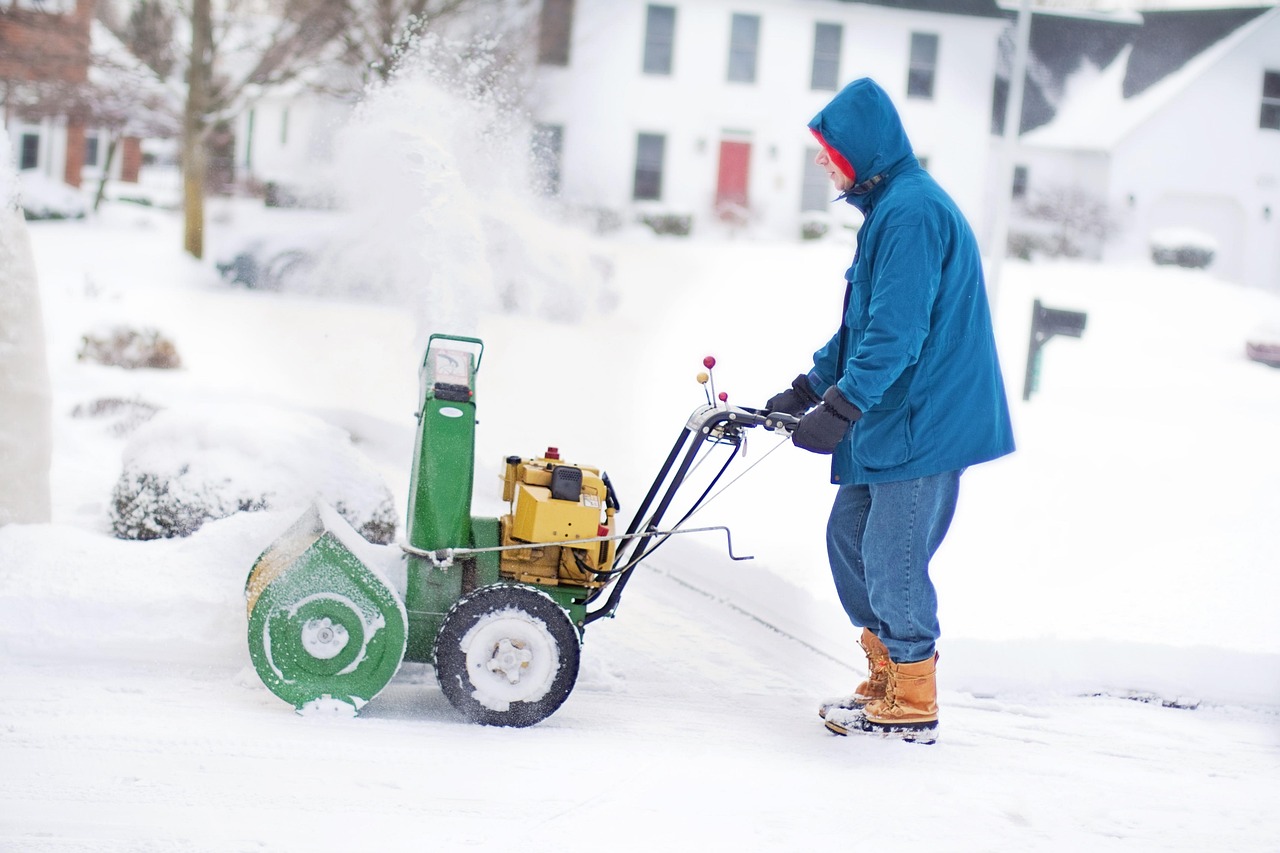
The U.S. Consumer Product Safety Commission has repeatedly warned that serious hand and finger injuries occur when users try to remove packed snow from the auger housing or discharge chute by hand. Wet snow can hold stored energy in the impeller, and parts may move suddenly after a blockage is cleared. Use the manufacturer’s clean-out tool or a long stick, not fingers, even when the engine is off.
Fuel safety is just as important. Add gasoline outdoors before starting the engine, and never refuel a hot or running engine. Do not run a gas snow blower in a garage, shed, or enclosed porch because carbon monoxide can build up quickly. These steps are basic, but they should come before every maintenance checklist.
Pre-season snow blower maintenance checklist
The best time to service a snow blower is before the first major storm, not when the driveway is already buried. A pre-season inspection gives you time to find stale fuel, loose cables, worn scraper bars, weak batteries, or missing shear pins before the machine is needed. For more seasonal equipment care topics, visit our maintenance tips section.
Check the manual and identify the machine type
Maintenance requirements vary by design. A single-stage gas snow blower may use rubber paddles and a scraper bar. A two-stage unit uses an auger, impeller, skid shoes, shear pins, belts, and often pneumatic tires. A three-stage machine adds another accelerator component. Battery and corded electric models remove gasoline and engine oil from the checklist, but they still need inspections of paddles, scraper edges, fasteners, controls, batteries, and wiring.
Before buying parts, record the model and serial number. Snow blowers that look similar can use different belts, scraper bars, skid shoes, spark plugs, or shear bolts. Manufacturer guidance from companies such as Toro and Ariens consistently directs users back to the operator’s manual for exact part numbers, lubrication points, belt routing, and adjustment procedures.
Refresh fuel and inspect the oil
Stale gasoline is a common reason a snow blower starts poorly after storage. Many small-engine manufacturers recommend fresh unleaded gasoline and caution against old fuel that has sat for long periods. Toro’s residential guidance, for example, advises buying only the fuel you expect to use within about 30 days or adding stabilizer according to the stabilizer manufacturer’s directions. If your machine has old fuel from last season, follow the manual’s procedure for draining or replacing it safely.
For four-cycle engines, check the oil level before the first start of the season and change the oil at the interval specified in the manual. Use the viscosity and rating recommended for your expected winter temperatures. Do not assume every gas snow blower uses the same oil. Some older or smaller two-cycle engines require a gasoline-oil mix and do not have a separate crankcase oil fill. Electric and battery snow blowers do not use engine oil, but they still need mechanical inspection.
Inspect the spark plug, belts, cables, and controls
A fouled or worn spark plug can make cold starts harder. Remove and inspect it if your manual calls for seasonal service. Replace it with the exact type specified by the manufacturer, and set the gap only if the plug and manual require it. Reconnect the wire only after maintenance is complete.
Check belts for cracking, glazing, fraying, or looseness. A worn auger belt can reduce throwing distance, while a slipping drive belt can make the wheels or tracks feel weak under load. Control cables should move smoothly and return properly. If the auger keeps turning after the control is released, or if the drive does not disengage, stop using the machine until it is adjusted or repaired.
Look at the auger, scraper bar, skid shoes, and shear pins
The auger housing is where many clearing problems begin. Inspect the auger for bent edges, lodged debris, and loose hardware. On many two-stage snow blowers, shear pins or shear bolts fasten the auger sections to the auger shaft and are designed to break if the auger hits a hard object. This sacrificial design helps protect more expensive components such as the gearcase. Replace broken shear pins only with the correct manufacturer-specified parts. Ordinary bolts may not break as intended and can transfer impact loads into the drivetrain.
Scraper bars and skid shoes are wear parts. The scraper bar helps remove the thin layer of snow near the ground, while skid shoes set the height of the auger housing above the surface. On a paved driveway, the scraper can often run closer to the surface. On gravel, raise the housing to reduce the chance of picking up stones. Uneven skid shoe adjustment can cause the snow blower to pull to one side or scrape poorly.
In-season care after each storm
After clearing snow, let the machine cool and remove packed snow and ice from the auger housing, chute, wheels, tracks, handles, and controls. Do not pour hot water over frozen parts; it can refreeze and create a worse problem. A plastic scraper or brush is usually safer for painted and plastic surfaces. If snow has packed tightly around the chute or auger, use the clean-out tool only after the machine is fully stopped and disabled.
Check for new damage after each heavy use. Gravel, ice chunks, frozen newspapers, extension cords, and curb edges can bend metal, break shear pins, nick paddles, and stress belts. If the snow blower suddenly stops throwing snow, vibrates heavily, or makes a new grinding sound, shut it down and inspect it before continuing. Running a damaged auger or belt can turn a small repair into a more expensive one.
For gas models, top off with fresh treated fuel if the machine will sit for a short period during winter and your manual recommends that practice. For battery machines, recharge batteries according to the manufacturer’s instructions and store them where the manual’s temperature limits can be met. Keep batteries away from standing water, road salt, and damaged chargers.
Common symptoms and what to inspect first
Not every problem means the engine or drivetrain has failed. Many snow blower issues trace back to wear parts, stale fuel, or an adjustment that changed during use. The table below is a practical starting point, not a substitute for model-specific service instructions. See also: Buying Guides.
| Symptom | Likely areas to inspect | Why it matters |
|---|---|---|
| Hard starting or no start | Fuel age, choke setting, spark plug, oil level, battery charge on electric start models | Cold engines need good fuel, spark, compression, and the correct starting procedure. |
| Poor throwing distance | Auger belt, impeller area, chute blockage, wet snow buildup, engine speed setting | A slipping belt or restricted chute reduces how much snow reaches the discharge path. |
| Auger does not turn | Broken shear pins, auger belt, control cable, jammed object | Shear pins may break by design after impact and must be replaced correctly. |
| Machine pulls to one side | Tire pressure, skid shoe height, track adjustment, uneven scraper wear | Uneven contact with the ground affects tracking and clearing height. |
| Excess vibration | Bent auger, lodged debris, loose fasteners, damaged impeller | Vibration can signal impact damage and should be addressed before continued use. |
If a symptom involves fuel leaks, electrical damage, smoke, severe vibration, or controls that do not shut off the auger or drive system, stop using the machine. Those conditions can create safety risks that go beyond normal homeowner maintenance.
End-of-season storage that prevents next winter’s problems
Storage is part of maintenance. Many snow blowers fail at the beginning of winter because they were put away with untreated fuel, packed salt, moisture, or worn parts that were never replaced. At the end of the season, clean the machine thoroughly and let it dry. Pay attention to the underside of the auger housing, the chute rotation area, and any places where road salt or slush can collect.
Follow the manual for fuel storage. Some manufacturers advise running the engine dry; others recommend filling the tank with fresh stabilized fuel and running the engine long enough to pull treated fuel through the system. The correct approach depends on the engine and fuel system. What matters most is not leaving old, untreated gasoline to degrade in the carburetor or tank.
Change or check engine oil if the manual recommends doing so before storage. Lubricate approved points such as chute controls, axle shafts, pivot points, and auger fittings only where the manufacturer specifies. Over-lubricating the wrong area can attract debris or contaminate belts. Touch up exposed metal surfaces if recommended, and store the snow blower in a dry location with the ignition key removed. For battery models, store the battery separately if the manual calls for it, and avoid extreme heat, deep discharge, or wet storage conditions.
Parts and supplies worth keeping on hand
A small winter maintenance kit can prevent a storm-day delay. For a gas two-stage snow blower, useful supplies often include the correct shear pins, a spare spark plug, the specified engine oil, fuel stabilizer, a clean funnel, a scraper or brush, and basic hand tools. Depending on the model, a spare belt may also be useful, especially if the machine is older or used heavily.
For single-stage machines, watch the rubber paddles and scraper bar closely. Worn paddles reduce the machine’s ability to pull itself forward and throw snow. For tracked or wheeled models, maintain even tire pressure where applicable and inspect track components for wear. For electric models, focus on the condition of extension cords, chargers, battery contacts, paddles, scrapers, and switches.
Buy parts by model number, not by appearance. Shear pins, belts, paddles, and scraper bars are engineered for specific machines. A part that fits physically may still be the wrong grade, length, width, or material.
Frequently asked questions
How often should a snow blower be serviced?
At minimum, inspect it before the season, check it after heavy storms, and prepare it properly for storage at the end of winter. Oil changes, lubrication, belt inspection, and spark plug service should follow the interval in the operator’s manual because designs vary widely.
Can I use regular automotive bolts instead of shear pins?
No. On machines designed for shear pins or shear bolts, those parts are meant to break under certain impact loads. Replacing them with ordinary bolts can prevent the protection system from working and may damage the auger gearbox or drivetrain.
Why does my snow blower clog in wet snow?
Wet, heavy snow sticks more easily inside the auger housing and chute. A worn belt, low engine speed, damaged impeller, rough chute surface, or trying to clear too much snow in one pass can make clogging worse. Shut the machine off and use a clean-out tool if the chute blocks.
Should I drain the fuel tank before storage?
Follow the manual for your engine. The key is to avoid leaving old untreated fuel in the system. Some manuals recommend stabilized fuel; others describe draining or running the engine dry. Use fresh fuel and stabilizer only as directed.
Do electric snow blowers need maintenance?
Yes. They do not need gasoline, oil changes, or spark plugs, but they still need scraper, paddle, chute, fastener, cord, battery, and control inspections. Battery care and storage should follow the manufacturer’s temperature and charging guidance.
The bottom line
Reliable snow blower maintenance comes down to three habits: prepare before winter, inspect after heavy use, and store the machine correctly after the season. Focus on the parts that directly affect safety and clearing performance: fuel, oil, spark, belts, cables, augers, shear pins, scraper bars, skid shoes, paddles, batteries, and controls. When in doubt, use the operator’s manual as the deciding source. A carefully maintained snow blower is easier to start, safer to operate, and less likely to fail when the next storm arrives.