Small electrical components that keep modern vehicles reliable
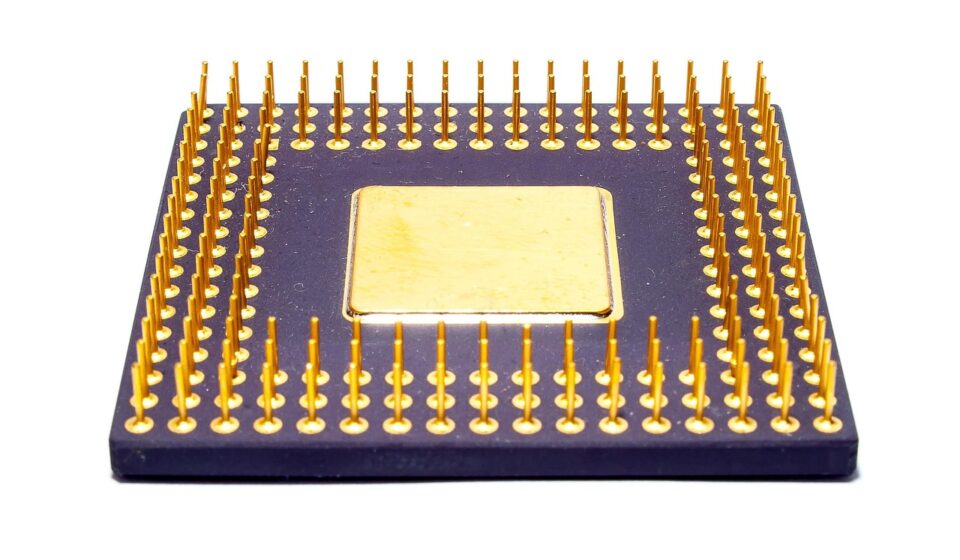
Why small electrical components deserve attention
Small electrical components route, protect, switch, sense, and condition power or signals throughout a vehicle. They include fuses, crimp terminals, connector housings, seals, relays, switches, resistors, diodes, sensors, solder joints, PCB connectors, and related hardware. Their size makes them easy to underestimate, but a loose terminal, underspecified fuse, damaged seal, or marginal solder joint can interrupt a safety, comfort, powertrain, lighting, or infotainment function. As electric vehicles, advanced driver assistance systems, and software-defined architectures add more electrical and electronic content, part selection is less about choosing the smallest available item and more about matching load, environment, durability, assembly process, and serviceability.
For related parts and system topics, the Electrical Components category collects additional automotive electrical coverage.
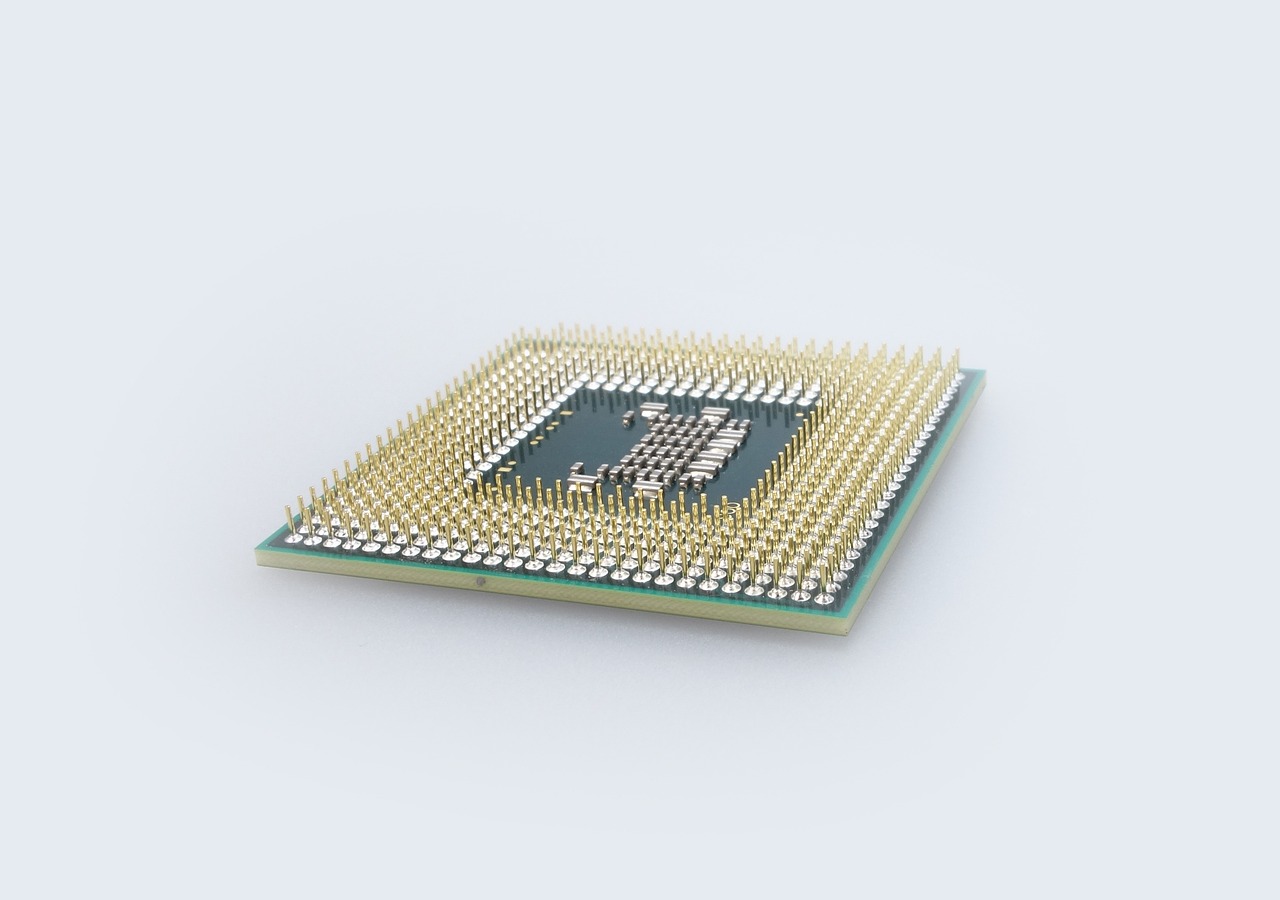
What counts as small electrical components in a vehicle?
In automotive engineering, small does not mean simple. A physically tiny part can define the reliability of a complete circuit. A fuse must open predictably under fault conditions. A terminal must keep contact resistance low after vibration, humidity, and thermal cycling. A sensor may convert pressure, temperature, position, or current into a signal used by an electronic control unit. A connector seal may be the only barrier between a clean signal path and water, salt, dust, or cleaning fluids.
| Component group | Common examples | Main reliability concern |
|---|---|---|
| Circuit protection | Blade fuses, strip fuses, fusible links, resettable protection devices | Correct current rating, breaking capacity, temperature derating, and fault response |
| Connection parts | Crimp terminals, connector housings, seals, locks, splices, headers | Contact resistance, retention force, crimp quality, sealing, and mating compatibility |
| Switching and control | Relays, MOSFETs, drivers, switches, solenoids | Load type, heat dissipation, switching life, arcing, and electromagnetic compatibility |
| Sensing and signal parts | Temperature, pressure, position, current, speed, and proximity sensors | Accuracy, drift, noise immunity, calibration, and mounting environment |
| PCB-level parts | Resistors, capacitors, diodes, inductors, solder joints, board connectors | Thermal cycling, vibration, moisture, solder quality, and board-level cleanliness |
Automotive standards show why these details matter. The ISO 8820 series covers road-vehicle fuse-links, including performance requirements, test procedures, dimensions, and application guidance for different fuse types. SAE/USCAR-2, revised in December 2024, addresses performance testing for automotive electrical connector systems in low-voltage road vehicle applications. ISO 16750 addresses environmental conditions and testing for electrical and electronic equipment in road vehicles, while ISO 20653:2023 defines road-vehicle IP-code protection for electrical equipment enclosures against foreign objects, water, and access. These references do not replace a vehicle maker’s own requirements, but they help frame the questions that should be asked before a small part is treated as interchangeable.
Why the reliability burden is rising
The demand on small electrical components is rising because vehicle electrical systems now support more functions. The International Energy Agency’s Global EV Outlook 2026 reported that global electric car sales exceeded 20 million in 2025 and accounted for one in four new cars sold worldwide. That does not mean every vehicle circuit is high voltage. Many control, sensing, lighting, body, gateway, and communication functions still depend on low-voltage networks and conventional-looking small parts.
Software-defined vehicles add another layer of complexity. Industry analysis from the IEA in 2026 described software-defined vehicles as a shift based not only on software, but also on a re-imagining of electrical and electronic architecture. In practice, more functions may be grouped around domain controllers, zonal controllers, sensors, actuators, and high-speed communication links. That can change where connectors are located, how harnesses are routed, how much heat is concentrated in modules, and how important diagnostics become.
The engineering implication is straightforward: a commodity-style component choice can become a system risk. A connector selected only by pin count may fail if the sealing class, terminal plating, wire size range, latch design, or vibration performance is unsuitable. A fuse selected only by nominal current may nuisance-open in a hot location or fail to protect the intended wire gauge under a short-circuit condition. A small relay or MOSFET may meet the steady-state current requirement but run too hot under inrush, inductive loads, or repeated switching.
Common failure mechanisms that start small
Contact resistance and fretting
Connector and terminal problems often begin with a small increase in contact resistance. Vibration, micro-motion, inadequate retention, improper terminal plating, or contamination can lead to fretting corrosion. The circuit may not fail immediately. Instead, it can show intermittent faults, voltage drop, heat generation, or signal noise that is difficult to diagnose in service.
Poor crimping and strain relief
A terminal is only as reliable as the wire preparation and crimp process behind it. Under-crimping can reduce mechanical strength and increase resistance. Over-crimping can damage conductor strands. Missing seals, incorrect wire insulation diameter, or poor strain relief can allow moisture ingress or conductor fatigue near the terminal. For harness and cable assemblies, IPC/WHMA-A-620 is widely used as an acceptance reference, while many vehicle programs also apply customer-specific crimp and pull-force requirements.
Thermal stress and derating errors
Small parts are often installed near heat sources such as engines, power electronics, lighting modules, compressors, heaters, and battery-related systems. A component rated for a given current or voltage under laboratory conditions may behave differently inside a crowded fuse box or sealed module. Heat can accelerate aging, soften plastics, change contact force, and shift fuse behavior. Derating should account for ambient temperature, self-heating, load profile, nearby components, and enclosure ventilation.
Ingress and contamination
Water, road salt, dust, oils, coolants, cleaning chemicals, and condensation can all affect electrical performance. ISO 20653 is useful because road vehicles have protection-code needs that differ from generic indoor electronics. However, an IP code is not a complete durability guarantee. Mounting direction, connector mating condition, drain path, pressure-washing exposure, harness bend, and seal compression all influence real-world performance.
Board-level solder and assembly issues
Control modules and sensors rely on small PCB components and soldered connections. IPC J-STD-001 and IPC-A-610 are widely recognized electronics assembly references, and IPC also maintains automotive-related addenda and standards for high-reliability applications. In vehicles, board assemblies may face vibration, thermal cycling, humidity, and electrical transients. Cleanliness, solder wetting, component spacing, conformal coating, and press-fit processes can become as important as the component datasheet.
Specification checks before choosing a part
A practical selection process should start with the circuit’s job, not the catalog page. Engineers, purchasers, and technical editors comparing small parts should separate mandatory requirements from convenient preferences. The following checks are useful for fuses, connectors, relays, sensors, and PCB-level components.
| Selection question | Why it matters |
|---|---|
| What is the nominal voltage and maximum transient exposure? | Automotive circuits may see load dump, jump-start, reverse polarity, inductive switching, or other electrical stresses depending on system design. |
| What is the steady current, peak current, and inrush profile? | Motors, lamps, heaters, pumps, and capacitive loads can draw current very differently from their steady-state value. |
| Where is the component mounted? | Cabin, engine bay, wheel-well, battery pack, roof, door, and underbody locations have different temperature, vibration, water, and chemical exposure. |
| Which standard or customer test applies? | ISO 16750, ISO 8820, ISO 20653, SAE/USCAR, IPC, and OEM-specific requirements may apply depending on part type and program. |
| Is the part serviceable or sealed for life? | Serviceability changes requirements for labels, access, replacement error prevention, connector keying, and documentation. |
| Can substitutions be controlled? | Changing plating, resin, seal material, terminal geometry, fuse curve, or solder process can alter field performance even if the part looks equivalent. |
The common mistake is assuming that a visible match is an electrical match. Two fuses with similar shapes may have different voltage ratings, opening characteristics, current ranges, or breaking capacity. Two connectors with similar cavities may not share the same terminal system, seal design, material performance, or validation history. Two sensors with the same output range may differ in drift, response time, mounting sensitivity, and diagnostic behavior. See also: Buying Guides.
How vehicle location changes component priorities
Cabin and body electronics
Cabin circuits may seem protected because they are usually away from road splash and severe underbody conditions. They still require attention to vibration, connector retention, tactile feel, low noise, low standby current, and long-term aging. Switches, lighting controls, infotainment connectors, seat electronics, window controls, and HVAC sensors often operate for years with frequent human interaction.
Engine bay and thermal zones
Engine-bay components face heat, fluids, vibration, and tight routing. Connectors near pumps, fans, ignition systems, injectors, turbochargers, or compressors require careful material and sealing choices. Even a low-cost connector seal can be critical if the circuit supports cooling, charging, emissions control, or fault monitoring.
EV and hybrid systems
High-voltage components receive much attention in EVs and hybrids, but low-voltage small parts still support battery management, thermal management, charging communication, safety interlocks, contactor control, sensors, and diagnostics. The presence of high-voltage systems can raise expectations for insulation coordination, physical separation, labeling, and fail-safe behavior at the system level.
ADAS and safety-related electronics
Camera, radar, ultrasonic, steering, braking, suspension, and power-management systems may include safety-related electrical and electronic functions. ISO 26262 is the major functional safety framework for road vehicles, but it is not a simple component checklist. It emphasizes system-level safety activities across development, production, operation, service, and decommissioning. Small components used in safety-related circuits therefore need suitable traceability, validation evidence, diagnostic coverage, and change control.
A practical evaluation workflow
- Define the function and failure consequence. Identify whether the circuit is comfort-related, emissions-related, powertrain-related, safety-related, diagnostic, or service-related.
- Map the electrical load. Record voltage range, current profile, inrush, duty cycle, fault current, switching frequency, and expected transients.
- Map the environment. Include temperature range, mounting location, vibration, fluids, water exposure, dust, salt, and maintenance conditions.
- Identify the applicable standards. Fuse-links may point to ISO 8820, connectors to SAE/USCAR or OEM specifications, enclosures to ISO 20653, electronic assemblies to IPC standards, and environmental testing to ISO 16750.
- Check assembly compatibility. Confirm wire size, insulation diameter, crimp tooling, terminal applicator settings, seal fit, connector locking, solder process, and inspection method.
- Validate representative samples. Test the part in the harness, module, or enclosure configuration that reflects real routing and heat conditions, not only as a standalone item.
- Control changes after approval. Treat material, plating, supplier site, resin grade, tool revision, firmware interface, or packaging changes as review triggers.
This workflow is not limited to new vehicle programs. It also helps aftermarket distributors, repair professionals, and technical buyers avoid misleading substitutions. When a replacement component is chosen only by appearance, the hidden properties that make it automotive-grade may be missing.
Frequently asked questions
What are examples of small electrical components in cars?
Examples include fuses, relays, crimp terminals, connector housings, seals, switches, sensors, resistors, capacitors, diodes, solder joints, PCB connectors, splices, and small control devices. They can appear in lighting, body electronics, powertrain controls, battery management, infotainment, HVAC, safety systems, and charging-related circuits.
Are small electrical components different in EVs and gasoline vehicles?
Many component categories are shared, especially in low-voltage systems. The difference is the operating context. EVs and hybrids add battery, charging, inverter, thermal-management, and safety-interlock functions, so the same type of small component may need different validation, temperature performance, insulation awareness, or diagnostic integration.
Why do automotive connectors fail?
Common causes include poor crimping, incorrect terminal selection, insufficient retention force, fretting corrosion, water ingress, seal damage, vibration, contamination, thermal aging, and incompatible substitutions. Many connector problems are process-related rather than purely design-related.
Can a higher-rated fuse fix a circuit that keeps blowing fuses?
No. Installing a higher-rated fuse without diagnosis can create a fire or wire-damage risk. A recurring blown fuse usually points to an overload, short circuit, wrong fuse type, heat issue, incorrect accessory installation, or downstream component fault. The circuit should be diagnosed against the vehicle’s specified fuse rating and wiring design.
Which standards are useful when evaluating small automotive electrical parts?
Useful references include ISO 8820 for road-vehicle fuse-links, ISO 16750 for environmental and electrical testing of road-vehicle electrical and electronic equipment, ISO 20653 for road-vehicle IP-code protection, SAE/USCAR-2 for low-voltage connector system performance, IPC J-STD-001 and IPC-A-610 for electronic assemblies, and IPC/WHMA-A-620 for cable and wire harness assemblies. OEM specifications may add stricter or more specific requirements.