How Do You Choose Reliable Engine Parts for Long-Life Repairs?
Why Do Reliable Engine Parts Matter More Than Price?
When you source engine parts, the lowest line on the quotation can be hard to ignore. In real repair work, a piston ring, bearing, gasket, valve, oil pump, or timing component is not just one item in a carton. It works inside a hot, oily, fast-moving system, and one small mismatch can lead to noise, smoke, low compression, or another teardown. That second teardown is usually where the margin goes, and no buyer wants that call from a workshop on Monday morning.
Longer Vehicle Life Raises Repair Demand
Older vehicles keep repair shops and parts distributors busy. S&P Global Mobility reported in May 2024 that the average age of cars and light trucks in the United States reached 12.6 years, with 286 million vehicles in operation as of January 2024.
That fleet age means steady demand for replacement engine components, mainly wear parts tied to oil control, compression, sealing, cooling, and lubrication. For importers, this is not a short seasonal order; it is regular stock planning. (press.spglobal.com)
Engine Loads Are Less Forgiving
Many current engines use smaller displacement, turbocharging, tighter emissions control, and thinner oils. The U.S. EPA Automotive Trends report notes that fuel consumed by gasoline engines relative to horsepower has fallen by more than 70% since model year 1975.
In simple terms, many engines now get more usable power from less fuel. The trade-off is that engine parts must keep their shape, surface finish, and material strength under tougher working conditions. (nepis.epa.gov)
Cheap Parts Can Create Costly Comebacks
A low-cost gasket that starts leaking after 3,000 miles is not really low cost anymore. The same problem can happen with soft bearings, weakly coated piston rings, or valves with rough seating faces.
The loss comes through warranty labor, freight claims, customer complaints, and weaker trust from the shop. A practical buyer looks past unit price and asks one basic question: will this part still look like a good deal after the engine has run hot, cold, loaded, and idled in traffic?
Which Engine Parts Should You Check First?
Not every engine part carries the same risk. Some parts are easy to change from the outside, while others sit deep inside the short block or cylinder head. For importers and repair chains, more attention should go to parts that affect compression, oil pressure, timing accuracy, heat sealing, and friction control. If those areas fail, the repair cost usually rises fast.
Piston Rings and Cylinder Sealing Parts
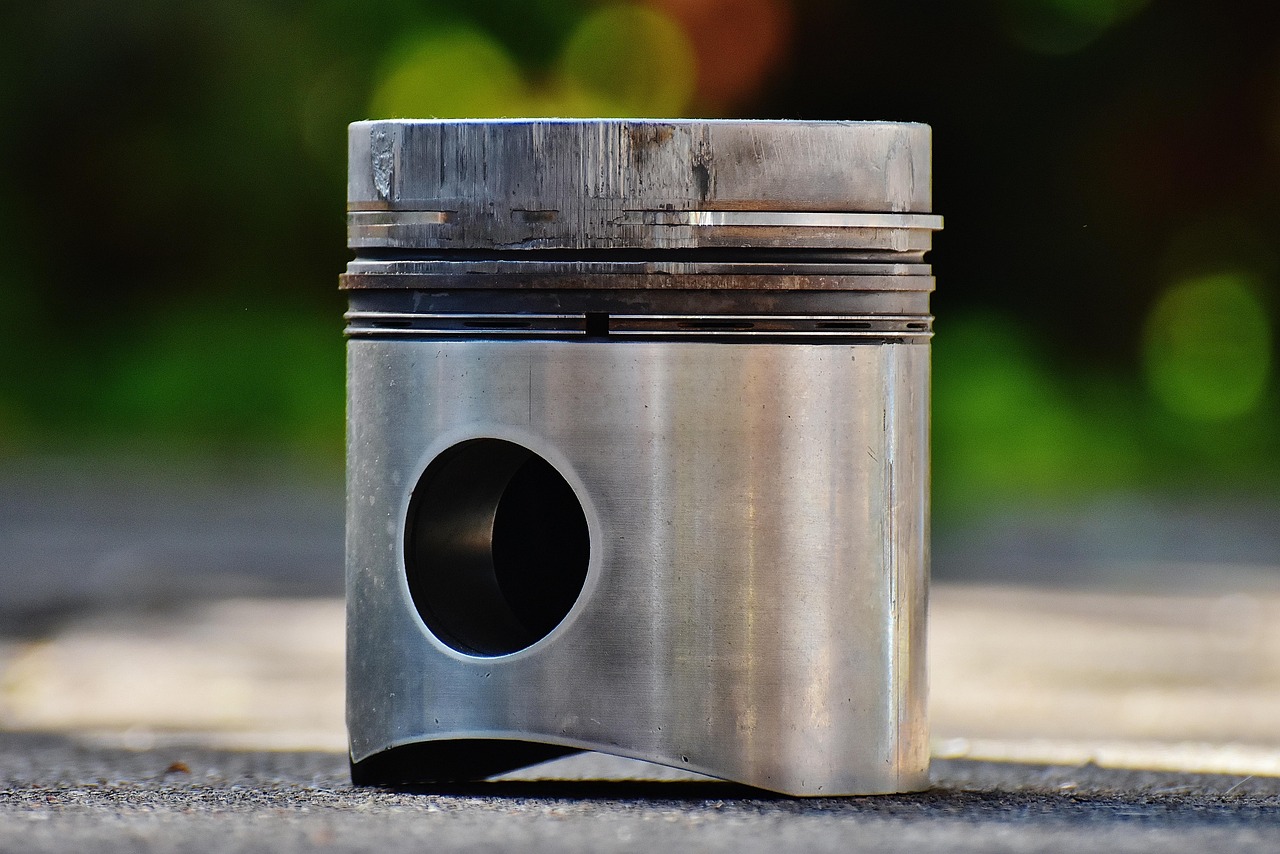
Piston rings control compression and oil consumption. Good rings need correct tension, clean coating, stable end gap, and a finish that matches the cylinder wall.
In the field, a wrong ring set may not fail with a loud bang. More often, the signs are blue smoke, high oil use, low power, or a customer saying the engine feels weak after repair. For stocked programs, check the engine code, bore size, oversize option, ring thickness, and material notes before ordering.
Bearings and Lubrication Parts
Main bearings, connecting rod bearings, cam bearings, thrust washers, oil pumps, and related bushings protect rotating parts from metal contact. These parts work on a thin oil film, so surface finish and clearance matter.
MAHLE aftermarket guidance for journal bearings describes bearing performance as a balance of oil viscosity, oil flow, bearing clearance, and local geometry between the bearing shell and crank journal. That is a useful reminder for buyers and rebuilders: the part matters, but fit and oil condition matter as well. (mahle-aftermarket.com)
Gaskets, Valves, and Timing Components
Head gaskets, valve cover gaskets, intake gaskets, exhaust valves, intake valves, guides, chains, tensioners, and sprockets often decide whether a repair feels stable. A gasket needs the right coating and crush behavior.
A valve needs clean machining and heat resistance. A timing kit needs stable tooth shape and controlled wear. These items are not eye-catching, but they keep the engine quiet, sealed, and predictable.
How Can You Judge Quality Before Placing an Order?
You cannot check every detail from a carton photo. Even so, a buyer can ask for the right proof before paying a deposit. Reliable sourcing is partly technical and partly paperwork, and the paperwork is where many issues are found early. A clear quote should make it easy to confirm what you are buying, how it is checked, and how a later claim will be handled.
Material Specs and Application Details
Ask for material, coating, hardness range, size range, and application references. For example, piston sets should show bore, pin diameter, compression height, and ring pack data.
Bearings should list standard and undersize options. Gaskets should state material type and engine family. If a supplier cannot explain the difference between two close engine codes, slow down. A one-letter engine code error can put the wrong oil hole, groove, or sealing edge into the box.
Dimensional Control and Test Reports
Good engine parts need stable size from batch to batch. Basic reports may include diameter, thickness, flatness, hardness, surface finish, and visual inspection results.
For larger orders, you can request sample inspection before bulk shipment. It is better to catch a 0.05 mm mismatch on a desk than after a mechanic has cleaned the block, torqued the bolts, and filled the oil. That number looks small on paper, but inside an engine it is not small.
Traceable Packaging and Lot Codes
Traceability matters when a batch problem appears. IATF sub-tier supplier guidance refers to control plans, work instructions, setup verification, preventive maintenance, identification and traceability, supplier monitoring, and root cause analysis as automotive quality management requirements.
Even when the buyer is not purchasing for an OEM line, these ideas are still useful for aftermarket engine parts. They help connect a carton, batch, material lot, and inspection record when a claim or stock check comes up. (iatfglobaloversight.org)
OEM vs Aftermarket Engine Parts Which Choice Fits Your Market?
Many buyers ask whether OEM parts are always better than aftermarket parts. The plain answer depends on vehicle age, customer budget, repair purpose, and local market habits. A fleet customer may need quick supply and controlled cost. A performance builder may ask for special materials. A general repair shop may want a tested replacement that fits without extra work. The right choice is not a slogan; it has to match the job.
Genuine OEM Parts for Exact Replacement
Genuine OEM engine parts are often used for late-model repairs, warranty-sensitive jobs, and customers who want the original brand route. The main benefits are fit confidence and clear application data.
The downside is price and, in some cases, longer lead time. For low-volume engine models, OEM supply can also become uneven as the vehicle gets older. When that happens, buyers often need a solid aftermarket option to keep repairs moving.
Branded Aftermarket Parts for Broad Coverage
Branded aftermarket engine parts can offer broad coverage, clear cataloging, and steady distributor support. For common engines, this category often gives a workable balance between price and reliability.
It is still important to check whether the brand makes the exact component you need or repacks parts from different factories. Repacking is not automatically a problem, but catalog accuracy, batch control, and claim support become more important.
Private Label and Wholesale Programs
Private label can work well for distributors with steady volume and their own quality checks. You can build a local brand, control packaging language, and choose popular applications for your market.
The risk is direct: if the supplier changes material or process without notice, your brand gets the complaint. For this model, keep approved samples, carton artwork, batch codes, and written specifications. It may feel fussy, but it saves a lot of arguing later.
What Buying Mistakes Put Engine Repairs at Risk?
Most sourcing mistakes do not look serious at the start. They look like small shortcuts: using a vehicle model instead of an engine code, skipping sample checks, ignoring packaging, or trusting a price that sits far below the market. Then the shipment arrives, and the problems come out one by one. A careful buyer builds the habit of checking what can go wrong before the order becomes urgent.
Matching by Engine Code, Not Guesswork
Engine parts should be matched by engine code, production year, displacement, fuel type, turbo or naturally aspirated design, and sometimes VIN range. One vehicle model may use several engines across different markets.
A timing chain kit for one version may look close to another version, but one guide rail or sprocket offset can be different. For export orders, send photos, OEM numbers, sample dimensions, and application lists when available.
No Guesswork around Size and Repair Grade
Oversize pistons, undersize bearings, valve stem sizes, and gasket thickness options need careful handling. Rebuilders often machine blocks and crankshafts before ordering final parts.
If the order says standard size but the crank has been ground 0.25 mm, the repair will not work. A simple size table in the quotation can prevent many claims. It is not fancy, but it is useful.
Counterfeit and Unverified Parts
Counterfeit parts are not only a brand issue; they can also affect safety and service life. The OECD and EUIPO Mapping Global Trade in Fakes 2025 report says counterfeit car spare parts have consistently appeared in seizure statistics, and it notes that recent data put the average value of counterfeit spare parts above USD 300 per item.
For engine parts, buy from traceable channels, check strange packaging, and be careful with offers that look too clean for the price. A small saving at purchase can turn into a hard claim later. (oecd.org)
How Should Importers Build a Safer Engine Parts Sourcing Process?
A safer sourcing process does not have to be complicated. It needs clear steps that are repeated on every order. The global market is large, and demand is not going away. OICA reported world motor vehicle production of 92,504,338 units in 2024, and ACEA reported 256 million passenger cars on EU roads in 2024. These numbers show why replacement parts supply remains a serious business, not a side category. (oica.net)
Sample Testing Before Bulk Orders
Start with samples for key applications, especially fast-moving engines and high-risk parts. Check packaging, markings, size, surface finish, and fit against known samples or technical drawings.
If possible, ask a workshop to install a sample on a low-risk repair and report fit comments. This kind of shop feedback often finds issues that a catalog page cannot show.
Supplier Audits and Batch Records
For repeat orders, ask about production equipment, inspection tools, calibration, batch records, and complaint handling. A supplier does not need to be large to be reliable, but the process should be visible.
Good signs include stable part numbers, consistent cartons, clear labels, inspection records, and a contact person who can answer technical questions directly. If every answer is vague, the risk is usually higher than it looks.
Clear Packing and Warranty Terms
Packing is part of quality. Engine parts can rust, scratch, bend, or mix during transport if the packing is weak.
Ask for anti-rust treatment where needed, strong inner boxes, correct labels, and carton marks that match the packing list. Warranty terms should also be written before shipment. State what proof is needed for a claim, how photos or samples are handled, and what response time you can expect. Clear rules make daily business easier.
FAQ
Q1: What Are the Most Common Engine Parts for Aftermarket Sourcing? A: Common engine parts include pistons, piston rings, bearings, gaskets, valves, oil pumps, timing kits, cylinder liners, valve guides, and seals. The right stock list depends on your local vehicle fleet and repair habits.
Q2: Are Aftermarket Engine Parts Good Enough for Professional Repairs? A: Yes, good aftermarket parts can work well when the application is correct, the supplier is traceable, and the parts meet proper material and dimensional requirements. Avoid unknown parts with weak packaging and no batch record.
Q3: How Can You Reduce Warranty Claims on Engine Parts? A: Match by engine code, confirm size, request samples, keep batch records, and give installers clear notes about cleaning, torque, lubrication, and break-in. Many claims come from wrong selection or poor installation, not only from the part itself.
Q4: Should You Choose OEM or Aftermarket Engine Parts? A: Choose OEM for exact brand replacement and sensitive repairs. Choose quality aftermarket parts when you need wider coverage, better price, and steady supply. For older vehicles, aftermarket options may be easier to source.
Q5: What Information Should You Send When Requesting a Quote? A: Send the engine code, OEM number, vehicle year, displacement, fuel type, photos, size requirements, quantity, packaging request, and target market. Better information usually brings a clearer quotation and fewer wrong parts.