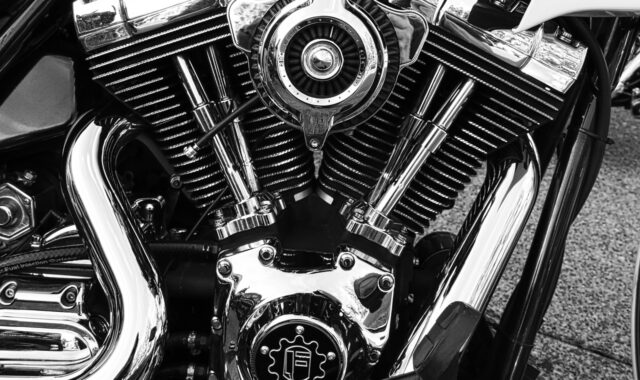
Small engine parts guide for maintenance, repair and replacement
What small engine parts do and why correct matching matters
Small engine parts keep compact gasoline engines running in lawn mowers, generators, pumps, tillers, pressure washers, snow blowers and other utility equipment. A practical way to evaluate these parts is by system: air, fuel, ignition, lubrication, cooling, exhaust, starting and controls. Diagnosis should begin with the symptom, but part selection should begin with the exact engine model, type and serial information. Carburetors, fuel caps, ignition coils, gaskets and air filters can look nearly identical while differing in jetting, mounting pattern, connector type, emissions design or service interval. For more related component topics, visit the engine parts category.
The key repair point is straightforward: replacing the visibly damaged part may not solve the fault. A clogged air filter can foul a spark plug, stale fuel can block a carburetor, and a leaking gasket can make a new carburetor appear defective. Effective small-engine repair connects the failed part to the system condition that caused it.
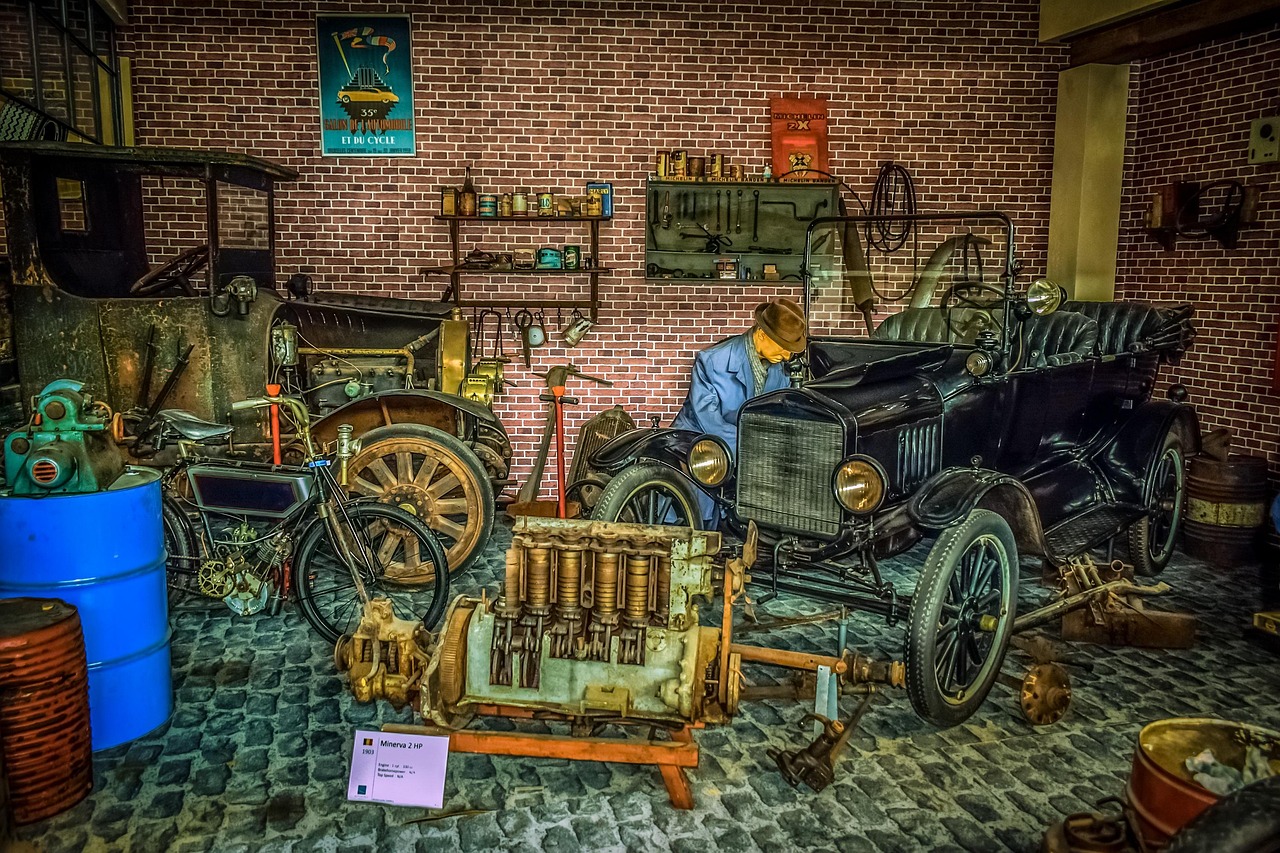
How small engine parts fit into the main systems
Small engines are compact, but they rely on the same basic combustion requirements as larger spark-ignition engines: clean air, correct fuel metering, reliable spark, compression, lubrication and heat control. Grouping parts by function makes troubleshooting more accurate and helps avoid replacing parts that are not causing the problem.
Air and fuel delivery
The air filter, filter housing, carburetor or fuel-metering device, intake gasket, fuel tank, fuel cap, fuel line, primer bulb, fuel shutoff valve and fuel filter all affect the mixture entering the cylinder. A lean mixture may cause surging, hesitation or high operating temperature. A rich mixture may cause smoke, plug fouling or loss of power. On many carbureted small engines, even a small amount of debris or varnish in the jets can create starting and idle problems.
Ignition and starting
The spark plug, ignition coil, flywheel key, starter recoil, starter motor, battery cables, switches and interlock devices all influence whether the engine starts and continues to run. A spark plug is often inexpensive and easy to replace, but a no-start condition can also come from a sheared flywheel key, weak coil, poor ground, safety-switch issue or low cranking speed.
Lubrication, cooling and exhaust
Oil, oil filters where fitted, crankcase breathers, cooling fins, shrouds, mufflers and exhaust gaskets protect the engine after it starts. Air-cooled engines depend on clean fins and the correct oil level because there is no liquid-cooling system to carry away excess heat. A missing shroud, blocked cooling passage or overfilled crankcase can shorten the life of otherwise suitable replacement parts.
Common small engine parts and what their failures look like
The table below is not a substitute for an engine manual, but it gives a practical way to connect symptoms with inspection steps. Always disconnect the spark plug wire before working near blades, belts or rotating parts.
| Part group | Common signs | What to check before replacing |
|---|---|---|
| Air filter | Hard starting, rich running, black smoke, power loss | Check for dirt, oil saturation, incorrect filter fit and damaged housing seals |
| Spark plug | No start, misfire, rough idle, poor hot restart | Confirm plug type, gap, carbon fouling, oil fouling and wire connection |
| Carburetor | Surging, fuel leakage, poor idle, engine starts then stalls | Inspect fuel freshness, tank debris, fuel filter, intake gasket and choke movement |
| Fuel line and primer bulb | Cracking, fuel smell, air bubbles, poor priming | Match inside diameter, routing, ethanol compatibility and emissions requirements |
| Recoil starter | Rope will not retract, pawls slip, broken handle | Inspect pulley, spring, pawls, cup and engine kickback causes |
| Gaskets and seals | Air leak, oil leak, unstable idle, dust entry | Check mating surfaces, bolt torque sequence and whether a full gasket set is needed |
| Muffler and exhaust gasket | Louder operation, exhaust leak, heat marks, power drop | Check mounting bolts, gasket fit, heat shields and local spark arrestor requirements |
How to identify the right replacement part
The most common selection error is using only the equipment brand or deck model. A mower, generator or pressure washer brand may use engines from different manufacturers across production years. In most cases, the engine identification plate or stamped code is more important than the machine label.
- Record the full engine identification. Look for the model, type, code, serial number, family number or specification number. The exact format differs by manufacturer.
- Match the application. Horizontal-shaft and vertical-shaft engines may share displacement but use different crankshafts, fuel tanks, controls and mufflers.
- Compare physical details. Bolt spacing, choke style, throttle linkage, shaft diameter, keyway, connector shape and gasket outline should match before installation.
- Respect emissions-related parts. Fuel caps, tanks, carbon canisters, low-permeation fuel lines and evaporative hoses may be part of a certified system, not just convenience hardware.
- Replace supporting parts when needed. A new carburetor installed with an old cracked intake gasket can still create a lean condition. A new fuel line connected to a dirty tank can clog quickly.
For aftermarket parts, the safest description is not just equivalent. It should identify the engine series, relevant part-number cross-reference and any limits, such as serial range, shaft size or emissions configuration. When those details are missing, the buyer carries more fitment risk.
Fuel and emissions issues that affect replacement choices
Fuel-system parts need close attention because public guidance from the U.S. Energy Information Administration notes that most finished motor gasoline sold in the United States is about 10 percent ethanol by volume. E10 is widely used, but E15 contains 15 percent ethanol and is not broadly approved for small off-road equipment. The Outdoor Power Equipment Institute has also warned consumers to check pump labels and avoid higher-ethanol fuel in equipment not designed for it.
This matters because fuel lines, primer bulbs, carburetor parts and gaskets operate in direct contact with gasoline. Old fuel can oxidize, evaporate and leave deposits that restrict small passages. Ethanol-containing fuel can also attract moisture when stored poorly. In practice, a carburetor complaint may begin with fuel storage, tank contamination or a deteriorated hose rather than the carburetor body itself.
Regulations also shape parts design. The U.S. EPA has adopted exhaust and evaporative emission standards for small spark-ignition engines, including requirements that address fuel-system permeation and fuel venting. California Air Resources Board documents for small off-road engines also indicate that model-year 2024 rules moved most new small off-road engines sold in California toward zero-emission requirements, with separate timing for some generators and large pressure washers. These rules apply to new engines and manufacturers; they do not mean every existing gasoline engine must be retrofitted. For parts buyers, the practical point is to avoid replacing certified evaporative components with non-matching pieces that may vent differently or use unsuitable materials.
Maintenance intervals and parts planning
Maintenance schedules vary by engine family, operating conditions and manufacturer, so the owner manual remains the controlling document. Even so, publicly available OEM guidance shows consistent patterns. Briggs & Stratton guidance, for example, has advised changing small-engine oil after the first five hours of use and then annually or every 50 hours, whichever comes first, for many applicable engines. Honda small-engine manuals commonly emphasize regular oil checks, air-cleaner service and spark-plug inspection or adjustment at scheduled intervals. See also: Buying Guides.
Instead of buying parts only after a failure, it is often more economical to group wear items into planned service. A seasonal maintenance kit for a common walk-behind mower might include oil, an air filter, a spark plug and fuel stabilizer. A generator kept for emergency use needs a different plan, with attention to fresh fuel management, battery charging, periodic test running and carburetor storage.
| Use pattern | Parts to watch closely | Reason |
|---|---|---|
| Seasonal lawn equipment | Air filter, spark plug, blade-related hardware, fuel system parts | Dust, grass debris and storage fuel problems are common |
| Emergency generator | Fuel filter, carburetor, battery, recoil starter, oil | Long idle periods can make fuel and starting systems weak |
| Pressure washer | Pump-to-engine coupler, muffler hardware, air filter, oil | High-load operation and vibration can expose weak mounting parts |
| Snow blower | Starter parts, belts, spark plug, carburetor, fuel line | Cold starts and seasonal storage increase starting-system stress |
Repair or replace the part
A small engine part should be repaired, cleaned or replaced based on risk, labor and the likelihood of repeat failure. Cleaning a carburetor can make sense when the body, throttle shaft and mounting surfaces are sound. Replacement may be the better choice when corrosion is heavy, plastic fittings are brittle, or a previous incorrect repair has damaged threads and passages. A spark plug is usually not worth extended cleaning if it is worn, cracked or incorrect for the engine.
Gaskets are a good example of low-cost parts that should not be reused casually. Once compressed, a gasket may not seal the same way again. Reuse can create an air leak, oil seep or dust path that leads to a larger failure. Fuel lines can also appear acceptable from the outside while becoming soft, swollen or cracked internally.
For higher-cost parts such as ignition coils, starter motors or complete carburetor assemblies, diagnosis matters. Check kill-switch wiring before replacing a coil. Check battery condition and cable resistance before replacing a starter motor. Check fuel flow and tank venting before blaming the carburetor. This approach saves money and prevents a new part from masking the original fault only briefly.
A practical buying checklist for small engine parts
- Take clear photos of the old part before removal, including linkage routing and hose connections.
- Write down the full engine model, type, code, serial or specification number.
- Confirm whether the engine is two-stroke or four-stroke, horizontal or vertical shaft, handheld or non-handheld.
- Match the part by function, fitment details and material, not only by appearance.
- Check whether the part is related to fuel evaporation, exhaust, safety interlocks or starting protection.
- Order gaskets, clamps, filters or seals at the same time if they must be disturbed during repair.
- Use fresh fuel and the correct oil after installation so the new part is not blamed for an old maintenance issue.
- Keep the old part until the repair is confirmed under load and at operating temperature.
The best repair outcome comes from combining accurate fitment with system-level diagnosis. Small engines are simple enough for routine service, but they are not forgiving of air leaks, contaminated fuel, blocked cooling airflow or mismatched ignition parts. The right component is the one that matches the engine identity, performs the same function under the same conditions and does not compromise safety or emissions design.
Frequently asked questions
What are the most commonly replaced small engine parts?
Air filters, spark plugs, oil, fuel filters, fuel lines, primer bulbs, carburetor parts, recoil starter components, gaskets and belts are common service items. The actual priority depends on the engine type, operating environment and storage habits.
Can I use a part that looks the same as the old one?
Appearance is not enough. Two parts can look similar but differ in jet size, connector type, gasket shape, shaft size, material or emissions function. Always confirm the engine identification and fitment details.
Is E15 fuel safe for small engines?
Many small engines are not designed or approved for E15. E10 is common in U.S. gasoline, but higher-ethanol blends should be used only when the equipment manufacturer allows them. Check the manual and pump label before filling.
Should I choose OEM or aftermarket parts?
OEM parts reduce fitment uncertainty because they are specified by the engine manufacturer. Aftermarket parts can be suitable when the listing clearly identifies the correct engine model, part-number cross-reference and limitations. Vague compatibility claims increase risk.
Why does a new carburetor not fix the problem?
The carburetor may not be the root cause. Old fuel, blocked tank venting, a dirty fuel filter, cracked intake gasket, weak ignition, poor compression or incorrect linkage can all create symptoms that resemble carburetor failure.