Diesel engine parts that affect reliability, emissions and overhaul decisions
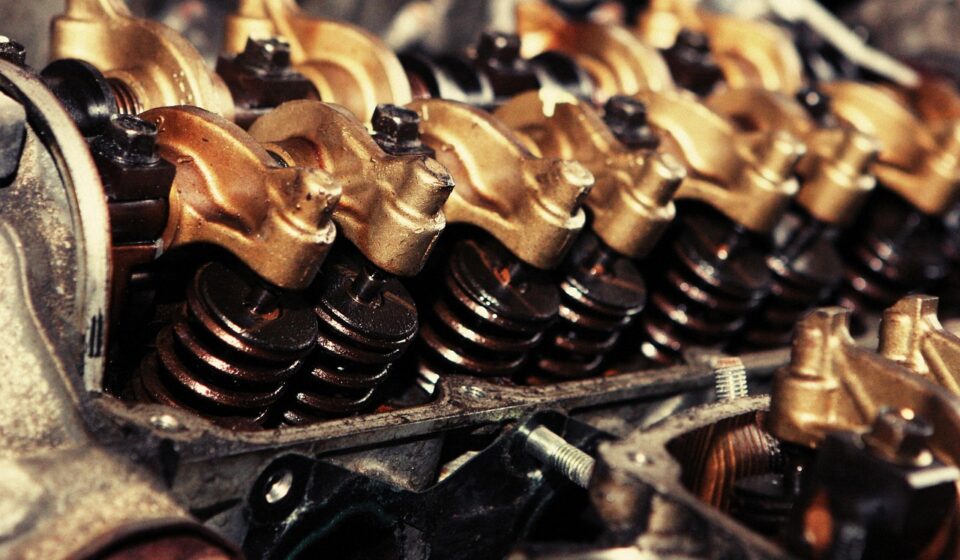
Diesel engine parts have to be selected as a system, not as separate pieces of metal, rubber or electronics. A piston, injector, turbocharger, oil pump or diesel particulate filter may be correct by name, but still be wrong for a specific engine rating, emissions package or duty cycle. For workshops, distributors and fleet maintenance teams, the practical need is usually the same: identify the part, understand what it does, match it correctly and avoid repeat labor caused by the wrong repair scope.
This guide reviews the major diesel engine parts that affect reliability, fuel efficiency, emissions compliance and overhaul decisions, with a focus on replacement judgment rather than promotional claims. For more related component topics, visit the engine parts category.
Why diesel engine parts are specified differently
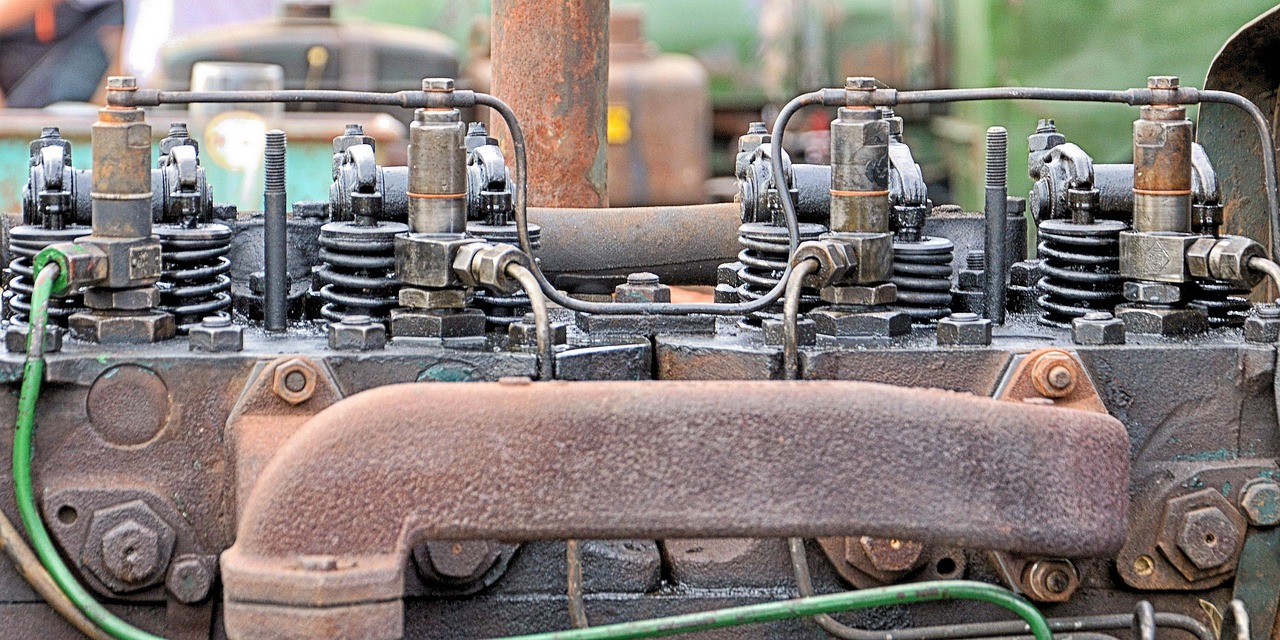
Diesel engines are compression-ignition engines. Unlike a typical gasoline spark-ignition engine, a diesel engine compresses air to a high temperature and then injects fuel into that hot compressed air. The U.S. Department of Energy describes this distinction as one of the basic differences between gasoline and diesel internal combustion engines. That difference affects nearly every major parts decision.
Because combustion pressure, thermal load and soot formation can be severe, diesel components are commonly designed for high cylinder pressure, long service intervals and heavy-duty operation. Even in smaller passenger-car diesels, the parts that influence long-term durability are not limited to the engine block. Fuel injectors, high-pressure pumps, turbochargers, EGR valves, sensors, DPF assemblies and oil-control components all affect how cleanly and efficiently the engine runs.
A catalog match should therefore never stop at engine displacement. The same engine family may use different power ratings, injector calibrations, emissions systems, pistons, gaskets or cooling arrangements depending on model year and application. A replacement part that fits physically can still cause poor combustion, abnormal exhaust temperature, oil consumption or fault codes if it does not match the original specification.
Core mechanical diesel engine parts and what they do
The mechanical core of a diesel engine converts combustion pressure into rotating power. These parts work under high load, so wear patterns and measurement accuracy matter. In overhaul work, replacing one worn item while ignoring its mating parts can reduce the service life of the repair.
| Part group | Main function | Common decision point |
|---|---|---|
| Pistons and piston pins | Transfer combustion force to the connecting rods while managing heat and sealing support | Check crown design, ring groove condition, coating, pin size and engine rating |
| Piston rings | Seal combustion pressure, control oil film and transfer heat to the cylinder wall | Match ring profile, material, coating and gap specification to the liner and piston |
| Cylinder liners or sleeves | Provide the running surface for piston rings and help control heat transfer | Confirm wet or dry liner type, bore size, sealing rings and surface finish |
| Bearings | Support crankshaft and connecting rod rotation under load | Measure journal condition and oil clearance instead of relying only on visual inspection |
| Gaskets and seals | Separate combustion gas, oil and coolant passages | Use the correct thickness, material and bolt procedure for the engine design |
| Valves and guides | Control intake air and exhaust flow through the cylinder head | Inspect seat wear, guide clearance and heat-related damage before reassembly |
Industry component suppliers such as MAHLE describe pistons, rings, pins and liners as closely related cylinder components rather than unrelated parts. That is a useful way to approach diesel repair. If oil consumption, blow-by or low compression is present, the root cause may involve the whole cylinder sealing system, not only the piston rings.
For example, replacing rings without checking liner taper, surface condition and piston groove wear can leave the engine with poor sealing after repair. Bearing replacement is similar. If crankshaft journals and oil clearance are not measured, the repair may hide the reason the bearing failed in the first place. Diesel engines benefit from measurement-based repair because load margins are often smaller than they appear.
Fuel, air and lubrication systems now drive many repair decisions
Modern diesel performance depends heavily on precise fuel delivery, clean air handling and stable lubrication. Faults in these systems can create symptoms that look mechanical even when the base engine is still sound.
Fuel injection parts
Common fuel-system parts include the low-pressure supply pump, filters, high-pressure pump, common rail, pressure control valve, injectors and leak-off lines. DieselNet technical references describe common rail systems as including a high-pressure pump, rail and injectors, with rail pressure controlled according to operating needs. Bosch also publishes common-rail system information showing that modern diesel injection pressures can reach very high levels, depending on system design.
The practical takeaway is straightforward: fuel cleanliness and correct matching are critical. A worn injector can cause hard starting, smoke, fuel dilution, rough idle, high exhaust temperature or piston damage. A failing high-pressure pump can send debris through the system, so injector-only replacement may be a risky shortcut. Filters, fuel quality and line cleanliness should be part of the repair plan, not afterthoughts.
Turbocharger and air handling parts
Diesel engines rely on controlled airflow to burn fuel efficiently. Turbochargers, intercoolers, intake hoses, clamps, EGR valves, throttle or air-control valves and pressure sensors all affect air mass and combustion temperature. A boost leak may be misdiagnosed as a fuel problem. A sticking EGR valve may create soot loading, poor response or repeated DPF regeneration. A damaged intercooler can reduce charge-air cooling and increase stress under load.
When replacing air-system parts, technicians should look beyond the failed component. Oil in the charge-air path, damaged compressor blades, blocked air filters or exhaust restrictions may point to a wider issue. The replacement part must also match the engine calibration, especially where variable-geometry turbochargers and electronic actuators are used.
Oil and cooling parts
Lubrication and cooling parts protect the engine from wear and heat damage. Oil pumps, oil coolers, filters, piston cooling jets, thermostats, water pumps, hoses and radiators can all affect service life. The American Petroleum Institute identifies CK-4 and FA-4 as current diesel oil categories for certain high-speed four-stroke diesel engines, with CK-4 designed for engines meeting 2017 model year on-highway and Tier 4 non-road exhaust emission standards as well as earlier engines. The exact oil recommendation still comes from the engine manufacturer.
Oil-related failures are sometimes blamed on parts quality when the real cause is incorrect viscosity, contamination, coolant leakage, long drain intervals or poor filtration. Cooling failures can also damage pistons, liners, head gaskets and turbochargers. For that reason, major engine repair should include checks of oil pressure, coolant flow, thermostat operation and evidence of coolant or fuel in the oil.
Emissions hardware is part of the engine system
On many modern diesel vehicles, emissions hardware is no longer a separate exhaust add-on. It is integrated with the engine control strategy. Diesel oxidation catalysts, diesel particulate filters, selective catalytic reduction systems, DEF dosing hardware, EGR coolers, NOx sensors, temperature sensors and pressure sensors all influence engine operation.
EPA technical materials describe DPFs and diesel oxidation catalysts as exhaust aftertreatment devices used to reduce diesel emissions. DieselNet explains that DPF systems capture particulates and require regeneration so accumulated soot does not create excessive exhaust restriction. EPA rulemaking has also continued to tighten requirements for heavy-duty engines and vehicles, including standards beginning with model year 2027 for certain heavy-duty engine and vehicle categories. See also: Buying Guides.
For parts selection, the issue is not only environmental. Removing, disabling or mismatching emissions hardware can create legal risk, diagnostic problems and engine reliability issues. EPA enforcement materials state that tampering with emissions controls and aftermarket defeat devices are illegal under the Clean Air Act. In practical maintenance work, a DPF fault may be caused by a bad sensor, poor regeneration conditions, excessive soot from injectors, coolant entering the exhaust, oil consumption or incorrect engine calibration. Replacing the filter without correcting the upstream cause can lead to another failure.
California’s Clean Truck Check program is another example of how inspection and maintenance requirements are becoming more formal for heavy-duty vehicles. CARB materials state that emissions compliance testing requirements became effective in 2024, with testing deadlines beginning in 2025 for covered vehicles. This does not mean every diesel engine everywhere follows the same inspection schedule, but it does show why emissions-related parts are increasingly part of fleet maintenance planning.
How to specify replacement diesel engine parts
A reliable diesel parts request should contain more than a part name. The more complete the specification, the lower the risk of wrong delivery, installation delay or repeat failure. This is especially important for engines used across trucks, buses, construction equipment, agricultural machines, marine applications and generators.
- Identify the engine precisely. Record engine make, model, serial number, displacement, power rating, model year and application.
- Confirm the original part number. Use the OE number, casting number or verified interchange number where available.
- Check the emissions configuration. DPF, DOC, SCR, EGR and sensor arrangements can change the correct part.
- Measure wear-critical parts. Pistons, liners, bearings, valve guides and crankshaft journals should be checked against service specifications.
- Match fuel-system components carefully. Injector flow, nozzle type, pressure rating and electronic coding can vary by calibration.
- Verify gasket thickness and bolt procedure. Cylinder-head sealing depends on correct material, thickness, surface condition and torque method.
- Review oil and coolant compatibility. Lubricant category, coolant chemistry and filtration can affect new-part life.
- Consider kits when systems wear together. In-frame and overhaul kits can reduce mismatch risk when multiple cylinder components are worn.
Documentation is part of quality control. Photos of the old part, engine data plates, diagnostic codes and measured clearances can prevent errors that a simple keyword search cannot catch. For international sourcing, terminology also matters: cylinder sleeve, liner, bush, gasket set, overhaul kit and repair kit may be used differently across markets.
When to replace one part, buy a kit or plan an overhaul
The right repair scope depends on the failure pattern, engine value, downtime cost and measurement results. A single failed sensor or hose usually does not justify an overhaul. Repeated injector failures, high blow-by, coolant in oil, metal particles in filters or low compression across multiple cylinders may point to a broader repair.
| Situation | Likely repair approach | Reason |
|---|---|---|
| One failed sensor with normal engine operation | Replace the sensor and inspect wiring | The fault may be electrical rather than mechanical |
| Injector failure with fuel contamination | Inspect pump, rail, lines and filters before replacing injectors | Debris can damage new injectors quickly |
| Oil consumption with blow-by | Measure liners, pistons and rings; consider cylinder kit work | The sealing system wears as a group |
| Head gasket failure after overheating | Check head flatness, cooling system and bolt procedure | Heat distortion can cause repeat gasket failure |
| Multiple worn cylinders and bearing wear | Plan in-frame repair or full overhaul | Partial repair may not restore durability |
Cost alone should not decide the repair scope. A cheaper part can become expensive if it increases labor time, extends downtime or fails because the root cause was missed. A well-planned repair weighs the component price against access labor, related parts, calibration needs and the operating role of the engine.
For distributors and buyers, this is also where content quality matters. A useful diesel engine parts listing or article should explain fitment limits, material differences, measurement requirements and related components. It should not rely on vague claims such as “universal fit” when diesel engines are highly application-specific.
Frequently asked questions
What are the most important diesel engine parts to check during overhaul?
The most important groups are pistons, rings, liners, bearings, gaskets, valves, injectors, oil pump, water pump and turbocharger-related parts. The exact list depends on engine condition. Compression, oil pressure, coolant condition, blow-by and filter inspection can help define the repair scope.
Are diesel injectors always replaced as a full set?
Not always. Some repairs replace only the failed injector, while others replace a set to maintain balance or because contamination affected the system. The decision should consider test results, mileage, fuel quality, high-pressure pump condition and the engine manufacturer’s service guidance.
Can a DPF problem be solved by replacing the filter?
Sometimes, but not always. A blocked or cracked DPF may need cleaning or replacement, but the upstream cause must be checked. Excessive soot, failed sensors, poor regeneration, oil consumption, coolant leakage, injector faults or EGR problems can all lead to repeat DPF issues.
Why do part numbers matter so much for diesel engines?
Diesel engines often have multiple versions within the same family. Power rating, emissions level, injector calibration, piston design, gasket thickness and sensor arrangement can differ. Correct part numbers reduce the risk of installing a component that fits physically but performs incorrectly.
What is the safest way to source diesel engine parts?
Start with the engine serial number and original part number, then verify application, dimensions and related components. For wear parts, measurements should confirm whether standard or oversize parts are required. For electronically controlled components, calibration and coding requirements should be checked before installation.
Key takeaway
Diesel engine parts are best understood as connected systems: mechanical sealing, fuel injection, airflow, lubrication, cooling, electronics and emissions control. Strong repair decisions come from accurate identification, measurement, root-cause analysis and attention to regulatory and calibration requirements. Whether the job involves a single sensor, an injector set, a turbocharger or a full overhaul kit, the goal is the same: choose parts that match the engine’s real specification and operating conditions.