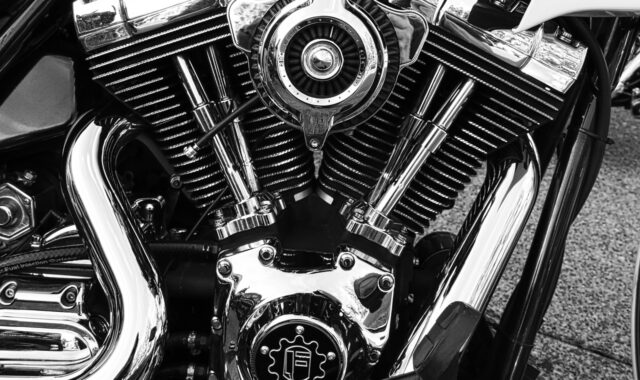
Engine parts explained for maintenance, replacement, and sourcing decisions
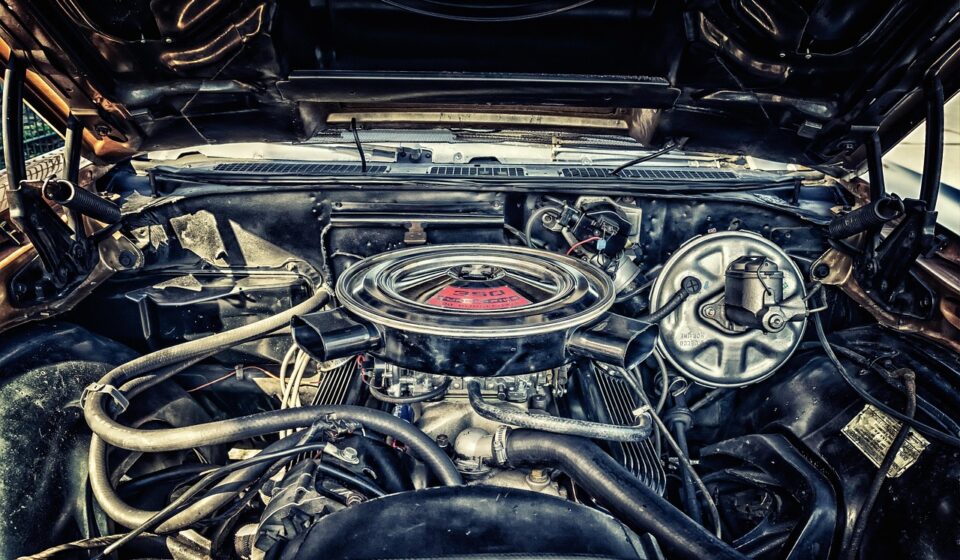
Why engine parts matter now
Engine parts are the mechanical chain that turns combustion into usable vehicle motion. In a conventional gasoline or diesel engine, fuel and air burn inside the engine. Combustion pressure moves the piston, the piston turns the crankshaft, and the powertrain sends torque to the wheels, as the U.S. Department of Energy explains. That sequence makes fit, timing, sealing, lubrication, and cooling closely connected. A low-cost gasket, belt, bearing, pump, sensor, or filter can protect expensive hard parts. A mismatched component can just as easily create repeat failures. For buyers, repairers, and aftermarket readers, the practical way to evaluate engine parts is to link each part to its function, its likely failure mode, and the vehicle data needed to confirm fitment. (energy.gov)
How engine parts work together in a four-stroke engine
Most modern gasoline and diesel engines used in road vehicles follow the same basic cycle: intake, compression, combustion and power, and exhaust. In a spark-ignition gasoline engine, air and fuel are mixed and then ignited by a spark after compression. In a diesel engine, air is compressed first, and fuel is injected into hot compressed air so it ignites. The hardware differs by engine design, but the operating requirements stay consistent: the engine must seal pressure, move air, meter fuel, control timing, reduce friction, remove heat, and discharge exhaust gases at the correct moment. (energy.gov)
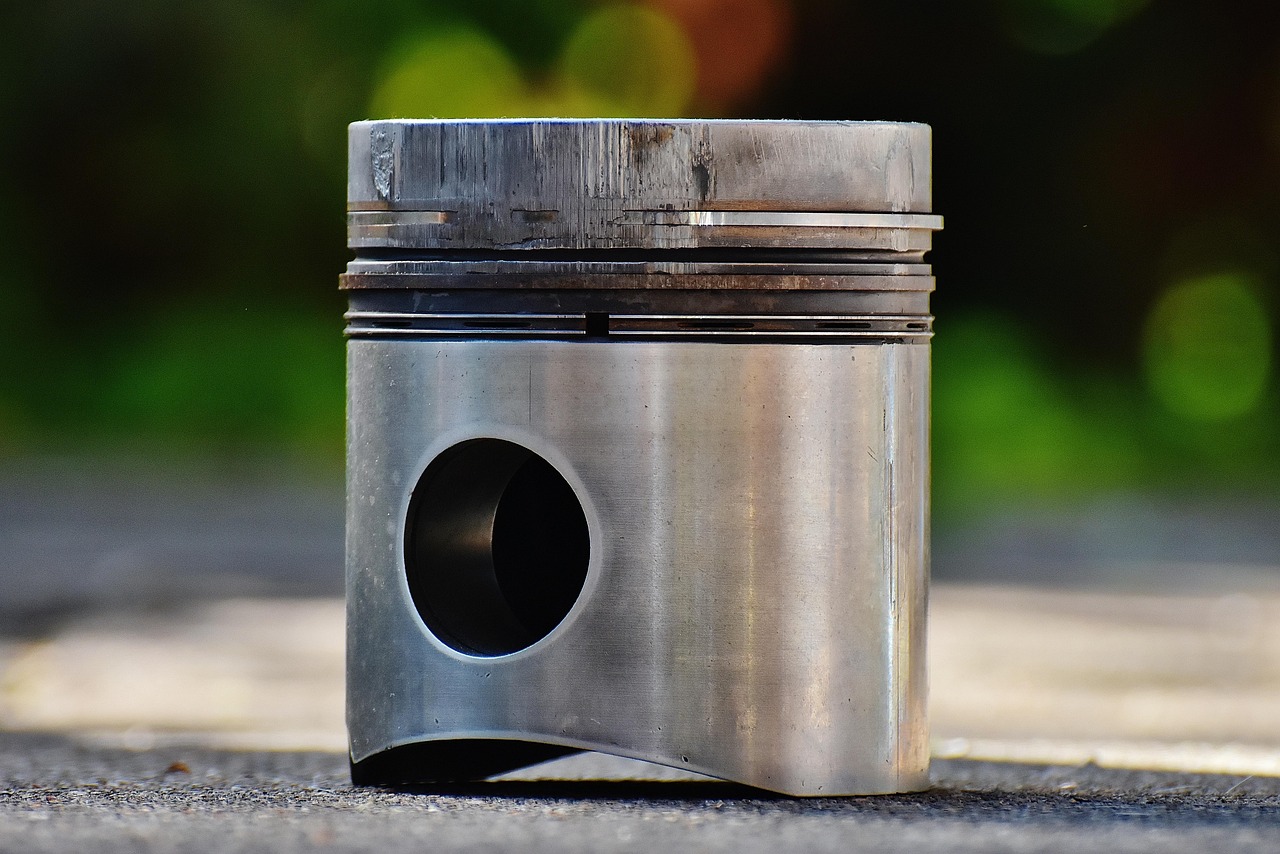
That is why engine parts should not be judged only by size, appearance, or price. A piston ring that does not seal properly can reduce compression and increase oil consumption. A timing chain, belt, or gear set that is slightly out of position can disturb valve timing. A clogged oil filter or weak oil pump can damage bearings before the driver notices a serious symptom. In service work, the better question is not only which part failed, but which system condition allowed it to fail.
Core engine parts and their functions
A useful way to understand engine parts is to group them by the job they perform. Government technical training materials commonly divide internal combustion engine hardware into cylinder, piston, and valve-related groups, including the cylinder head, block, piston, rings, connecting rod, crankshaft, valves, timing gears, and camshaft. (govinfo.gov)
| Part group | Typical parts | Main job | Why failure matters |
|---|---|---|---|
| Cylinder and sealing group | Engine block, cylinder head, head gasket, cylinder liner, valve cover gasket | Contains combustion pressure and separates oil, coolant, and gases | Leaks can cause compression loss, coolant contamination, overheating, or oil consumption |
| Piston and crank group | Piston, piston rings, wrist pin, connecting rod, bearings, crankshaft, flywheel | Converts combustion pressure into rotating torque | Wear can lead to knocking, low compression, vibration, oil burning, or severe internal damage |
| Valve train and timing group | Camshaft, valves, valve springs, lifters, rocker arms, timing belt, timing chain, gears | Controls when air enters and exhaust leaves the cylinder | Incorrect timing can cause poor power, misfires, bent valves, or no-start conditions |
| Fuel, air, and ignition group | Injectors, fuel pump, throttle body, intake manifold, spark plugs, ignition coils, sensors | Meters air and fuel and creates or supports combustion | Faults may cause hard starting, rough idle, poor fuel economy, misfires, or emissions problems |
| Lubrication and cooling group | Oil pump, oil filter, oil pan, thermostat, water pump, radiator hoses, coolant passages | Controls friction and temperature | Oil starvation or overheating can quickly damage bearings, pistons, gaskets, and cylinder heads |
The parts that protect the expensive parts
Some of the most important engine parts are not the largest or most expensive. Filters, fluids, belts, hoses, plugs, gaskets, seals, thermostats, and sensors help keep combustion, lubrication, and cooling within safe operating limits. NHTSA’s seasonal driving guidance advises owners of conventional and hybrid vehicles to check oil levels periodically and notes that rubber belts and hoses degrade as temperatures rise. (nhtsa.gov)
Maintenance intervals should come from the vehicle manufacturer’s service schedule, not from a universal mileage rule. Severe use, repeated short trips, towing, dust, heat, or long idle time can shorten service life. For sourcing decisions, replacement parts are often best evaluated as part of a system. A water pump repair may also require coolant, seals, and belt inspection. A timing job may require guides, tensioners, seals, and related hardware. Replacing only the visibly failed part may reduce the invoice at the counter, but it can raise the total repair cost if the root cause remains.
Common warning signs and what they may indicate
Symptoms rarely identify one part with certainty, but they do point toward the system that needs diagnosis. The Car Care Council notes that a flashing check engine light indicates an active problem that needs immediate attention. In practical repair terms, a scan code should be treated as a diagnostic clue, not as a direct instruction to replace a single component. (carcare.org)
| Symptom | Possible engine-related area | Practical next step |
|---|---|---|
| Overheating | Cooling system, head gasket, thermostat, water pump, radiator hose | Check coolant level, leaks, fan operation, pressure, and thermostat behavior before replacing parts |
| Rough idle or misfire | Ignition, fuel delivery, air intake, compression, sensors | Read diagnostic codes, inspect plugs and coils, and verify fuel and compression data |
| Blue exhaust smoke | Piston rings, valve seals, PCV system, turbocharger seals where applicable | Confirm oil consumption pattern and perform compression or leak-down testing if needed |
| Knocking or deep metallic noise | Rod bearings, main bearings, piston slap, oil pressure loss | Stop extended operation and verify oil level and pressure before further driving |
| Milky oil or unexplained coolant loss | Head gasket, oil cooler, internal coolant passage leak | Test for coolant contamination and pressure loss before ordering major parts |
| Loss of power | Air restriction, fuel delivery, timing, exhaust restriction, compression | Compare live data, fuel pressure, intake airflow, and exhaust backpressure where relevant |
How to choose replacement engine parts without fitment errors
Fitment is one of the most important quality issues in engine parts. Year, make, and model may not be enough because the same vehicle line can have different engines, emissions packages, production dates, fuel systems, or regional specifications. The Auto Care Association’s Vehicle Configuration database is used with the ACES standard to communicate fitment data in a standardized way, and its published figures show more than 175,500 vehicle applications and more than 2.4 million vehicle system configurations. That scale explains why precise catalog data matters in the aftermarket. (autocare.org)
- Confirm the exact engine. Use VIN, engine code, displacement, fuel type, aspiration, production date, and emissions label where available.
- Compare specifications, not only photos. Bolt patterns, connector shapes, sensor ranges, gasket thickness, bearing sizes, and material details can affect performance.
- Check related parts. When replacing a timing component, pump, gasket, injector, or sensor, review seals, fasteners, fluids, and wear items that may need replacement at the same time.
- Separate mechanical fit from system compatibility. A part may physically install but still be wrong for calibration, emissions equipment, or onboard diagnostics.
- Use recall information when safety is involved. NHTSA says recalls are issued when a manufacturer or NHTSA determines that a vehicle or equipment creates an unreasonable safety risk or fails minimum safety standards, and VIN-based recall checks are the practical route for vehicle-specific issues. (nhtsa.gov)
OEM, aftermarket, and remanufactured parts can each be appropriate, depending on the component and the repair goal. OEM parts are usually selected when exact factory specification is the priority. Aftermarket parts may offer broader availability or different price points, but they require careful checking of fitment, materials, warranty terms, and supplier documentation. Remanufactured parts can be suitable for complex assemblies, provided buyers review testing information, core policies, and any included installation requirements.
Market and regulatory forces shaping engine parts demand
Engine parts remain important because the vehicle fleet is aging. In a May 21, 2025 release, S&P Global Mobility reported that the average age of U.S. light vehicles reached 12.8 years, with 289 million light vehicles in operation. The same release reported an average of 14.5 years for passenger cars and 11.9 years for light trucks. The aftermarket implication is direct: older vehicles typically need more maintenance, sealing, cooling, ignition, fuel, and internal repair attention, even as new-vehicle technology changes. (press.spglobal.com) See also: Buying Guides.
Regulation also affects engine-related parts, especially emissions-linked components. On March 20, 2024, the U.S. Environmental Protection Agency announced final standards for model year 2027 and later light-duty and medium-duty vehicles, including stronger greenhouse gas and pollutant requirements. For the parts market, the practical lesson is not that every replacement component becomes more complex overnight. Rather, sensors, fuel systems, exhaust-related components, calibration-sensitive parts, and diagnostic compatibility become increasingly important as newer vehicles enter the service population. (epa.gov)
Electric vehicles will reduce demand for some internal combustion engine parts over time, but they do not remove the need for engine knowledge today. Hybrids still use engines, and the existing gasoline and diesel fleet will remain in service for years. A balanced aftermarket view is more useful than a simple decline story: engine parts demand is supported by an aging fleet in the near term, while fitment data, emissions compatibility, and diagnostic accuracy will matter more as the fleet mix becomes more varied.
A practical checklist for engine parts buyers
- Start with the failure mode. Identify whether the problem is wear, overheating, contamination, electrical failure, poor sealing, or incorrect timing.
- Verify application data. Confirm VIN, engine code, displacement, production date, and emissions configuration before ordering.
- Inspect the surrounding system. A failed gasket, pump, bearing, or sensor may be the result of a larger problem.
- Match materials and design details. Compare gasket construction, bearing grade, pulley alignment, connector type, hose shape, and sealing surfaces.
- Follow installation requirements. Torque sequence, torque-to-yield bolts, lubrication, priming, coolant bleeding, and relearn procedures can decide whether a good part succeeds.
- Document part numbers and dates. Clear records help with warranty handling, repeat diagnostics, and future maintenance.
Frequently asked questions
What are the main engine parts in a vehicle?
The main engine parts include the engine block, cylinder head, pistons, piston rings, connecting rods, crankshaft, camshaft, valves, timing components, gaskets, oil pump, water pump, injectors, spark plugs or glow plugs, sensors, filters, belts, and hoses. Their jobs differ, but they all support compression, combustion, lubrication, cooling, timing, or control.
Are aftermarket engine parts reliable?
Aftermarket engine parts can be reliable when the application data is correct and the part is made to suitable specifications. Reliability depends on fitment accuracy, material quality, manufacturing control, installation, and whether related parts are replaced or inspected. A well-made part can still fail early if the original cause, such as overheating or oil contamination, is not corrected.
Can the wrong engine part install but still cause problems?
Yes. Some incorrect engine parts may bolt on or plug in but still differ in calibration, sensor output, gasket thickness, emissions compatibility, flow rate, or internal tolerance. This is especially important for sensors, injectors, timing parts, gaskets, bearings, and emissions-related components.
When should engine parts be replaced?
Wear items such as filters, belts, hoses, plugs, fluids, and some gaskets should follow the vehicle manufacturer’s maintenance schedule. Hard parts such as pistons, crankshafts, camshafts, heads, and bearings are usually replaced after diagnosis confirms wear, damage, or failure. Preventive replacement makes sense when access labor is high and related components are already exposed.
Will electric vehicles eliminate demand for engine parts?
Not in the short term. Battery-electric vehicles do not use conventional engine parts, but gasoline, diesel, and hybrid vehicles still make up a large service population. As long as older internal combustion and hybrid vehicles remain on the road, repairers and parts buyers will need accurate engine part knowledge, fitment data, and diagnostic discipline.